My Journey to a Lush 2025 Lawn: Starting with the Right Sod and Landscaping
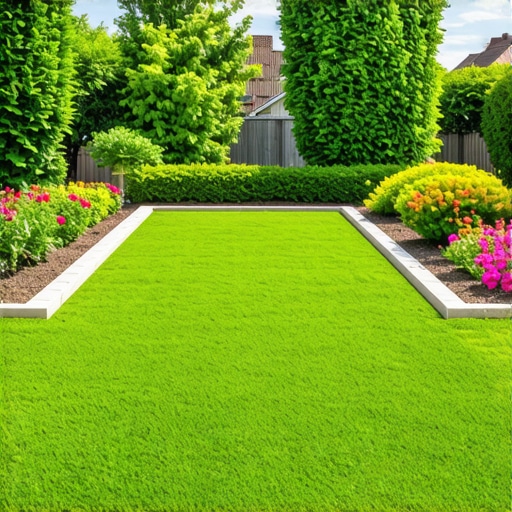
Last spring, I decided it was time to upgrade my backyard into a vibrant oasis, and I knew that choosing the right sod installation and landscaping approach would be the key to success. I remember spending countless evenings researching and contemplating various strategies, but I finally zeroed in on some expert tips that truly transformed my yard. Today, I want to share my personal experience and insights, hoping it helps you craft your perfect outdoor space for 2025.
Why I Chose Professional Sod Installation for My Dream Lawn
Initially, I thought I could handle the sod installation myself, but after a few frustrating attempts, I realized that professional help was worth every penny. Experts bring not only skill but also the right equipment and knowledge of soil prep, which is crucial for a healthy, lush lawn. I learned that proper sod installation sets the foundation for a thriving garden, and I recommend checking out this guide for top tips on choosing quality sod and installation strategies.
Landscaping Ideas That Made My Yard Pop
Beyond just laying sod, I focused on landscaping designs that would complement my new lawn. Incorporating native plants and strategic flower beds not only enhanced curb appeal but also reduced maintenance. I experimented with layering different textures and colors, which gave my yard a rich, inviting look. I also added a small patio area with comfortable seating, turning my backyard into a perfect spot for family gatherings and relaxation. For inspiration, I explored yard cleanup and landscaping ideas that fit my style and budget.
How Can I Ensure My Lawn Stays Healthy in 2025?
One thing I’ve learned from my experience is that consistent irrigation and fertilization are vital to maintaining a lush yard. I invested in a smart irrigation system that adapts to weather conditions, ensuring my grass gets just the right amount of water without waste. This aligns with the advice from expert irrigation strategies. Regular aeration and overseeding also help keep the lawn thick and resilient. Remember, a healthy yard is a happy yard!
What’s the secret to a truly thriving lawn in 2025?
In my opinion, it’s a combination of expert installation, thoughtful landscaping, and ongoing maintenance. Staying informed through authoritative sources like the top sod and irrigation tips keeps me ahead of issues and ensures my yard continues to flourish. Whether you’re tackling your yard DIY or hiring professionals, understanding these key elements will help you achieve that picture-perfect lawn for 2025.
If you’re considering a yard overhaul, I’d love to hear your plans or experiences. Feel free to leave a comment below or share your journey to creating a vibrant garden this year!
Mastering Lawn Hydration: How Advanced Irrigation Systems Elevate Your 2025 Landscape
One of the most critical aspects of a lush, healthy lawn is proper watering. Modern irrigation systems, such as smart controllers and zone-specific setups, allow homeowners to tailor watering schedules that adapt to seasonal changes and weather forecasts. These innovations not only conserve water but also provide consistent moisture levels essential for root development. For a detailed guide on integrating these technologies, visit effective irrigation design ideas. Proper soil moisture management prevents stress and promotes vigorous growth, ensuring your lawn remains vibrant throughout the year.
Decoding Soil Health: The Foundation of a Resilient Lawn
Healthy soil is the backbone of a thriving yard. Regular testing can reveal nutrient deficiencies, pH imbalances, and compaction issues that hinder plant growth. Incorporating organic amendments, such as compost or biochar, enhances soil structure and microbe activity, leading to better nutrient uptake. Aeration, especially in high-traffic areas, alleviates soil compaction, allowing water and air to penetrate deeply. For expert soil improvement tips, explore landscaping and yard cleanup tips, which emphasize the importance of soil health in lawn vitality.
Creative Question: How Can Innovative Landscaping Techniques Transform Your Lawn in 2025?
Expert landscapers are increasingly turning to sustainable and innovative designs that blend functionality with aesthetics. Vertical gardens, native plant selections, and eco-friendly mulch options not only reduce maintenance but also support local ecosystems. Incorporating permeable paving and rain gardens can manage runoff efficiently while adding visual interest. Curious about cutting-edge landscaping trends? Check out transformative landscape ideas. These strategies demonstrate how thoughtful design can elevate your outdoor space, making it both beautiful and environmentally responsible.
Engage and Share: What’s Your Vision for a Perfect 2025 Lawn?
If you’re planning a yard transformation or seeking expert advice, sharing your ideas can spark inspiration and community support. Whether you’re considering drought-resistant turf, innovative irrigation, or creative landscaping, I invite you to leave a comment below or suggest articles you’d like to explore further. Your insights help build a vibrant gardening community dedicated to excellence in outdoor living.
Reflecting on My Landscape Transformation: Beyond Basic Sod and Landscaping
Looking back on my journey to create a thriving lawn in 2025, I realize that the true challenge lies in mastering the nuances of sustainable and innovative landscaping practices. It’s one thing to lay down sod and plant flowers, but it’s another to develop a holistic approach that anticipates future challenges like climate change and resource conservation. My experience taught me that integrating smart irrigation systems and soil health strategies isn’t just about aesthetics; it’s about creating an ecosystem that sustains itself with minimal intervention.
Why Deepening My Understanding of Irrigation Systems Changed Everything
Initially, I thought my basic sprinkler setup was sufficient. However, diving into advanced irrigation design, such as zone-specific controllers and weather-adaptive systems, revolutionized how I water my yard. These innovations reduce water waste and promote healthier roots, especially during dry spells or unexpected rain. I discovered that choosing the right system requires understanding your yard’s microclimates and soil types. For instance, areas with clay soil need different watering schedules compared to sandy patches. For those interested in this level of detail, exploring effective irrigation design ideas can be eye-opening.
How Can I Ensure Soil Health Supports a Resilient Lawn?
My deep dive into soil health revealed that regular testing and organic amendments are vital. I started using compost tea and biochar to enhance microbial activity, which improved nutrient uptake. Aeration became a weekly ritual, especially after heavy rains or foot traffic. The goal was to create a soil environment that promotes root growth and resists pests and diseases. I learned that soil health is dynamic; it requires ongoing attention and adaptation. For those seeking practical advice, I recommend reviewing yard cleanup and landscaping tips that emphasize soil vitality.
What Are the Most Promising Trends in Sustainable Landscaping for 2025?
From my perspective, incorporating native plants and eco-friendly materials is not just trendy but essential. Vertical gardens, rain gardens, and permeable paving are transforming traditional lawns into eco-conscious landscapes that manage stormwater and support biodiversity. I experimented with native drought-resistant grasses that require less watering, aligning with the increasing importance of water conservation. The challenge lies in balancing aesthetics with ecological responsibility, but the rewards are substantial. If you’re curious about these cutting-edge ideas, check out transformative landscape ideas to inspire your project.
How Can I Personalize My Lawn Care to Address Climate Variability?
This question pushed me to consider climate resilience as a core part of my lawn strategy. I started monitoring local weather patterns and adjusting my watering schedules accordingly, using smart systems that learn from weather forecasts. This approach minimizes water waste and prevents overwatering, which can lead to disease. I also diversified plant selections to include species that tolerate drought and heat better than traditional choices. Personalizing your approach requires understanding your local environment deeply—something I’ve found both challenging and rewarding. For further insights, exploring innovative irrigation system design tips can provide valuable guidance.
Sharing My Journey: Learning from Mistakes and Celebrating Successes
One thing I’ve realized is that gardening is an ongoing learning experience. There were setbacks—diseases, droughts, and soil compaction—that tested my patience. But each challenge taught me something new about my yard’s unique needs. Celebrating small successes, like a patch of lush grass or a flourishing native plant, keeps me motivated. I encourage fellow enthusiasts to document their progress, share their lessons, and stay curious. If you’re passionate about transforming your outdoor space, I invite you to share your experiences or ask questions in the comments below. Let’s learn and grow together in this green journey!
Integrating Sustainable Water Management: Harnessing Data-Driven Irrigation for Resilient Lawns
To elevate my lawn care approach, I delved into the realm of data-driven irrigation systems that optimize water usage based on real-time weather analytics. Utilizing smart controllers linked with local weather feeds, I could fine-tune watering schedules, reducing waste and ensuring optimal moisture levels. This technology, supported by insights from effective irrigation design ideas, not only conserves resources but also promotes root health and disease resistance. The ability to adapt irrigation in response to microclimatic variations turned out to be a game-changer in maintaining a lush, resilient lawn amidst climate unpredictability.
Deepening Soil Microbiology: Enhancing Nutrient Cycles with Bioaugmentation
Beyond conventional fertilization, I explored bioaugmentation—introducing specific beneficial microbes to my soil to amplify nutrient cycling and suppress pathogens. By applying targeted microbial consortia, I fostered a thriving underground ecosystem that naturally supported plant health. Regular soil testing revealed improvements in microbial diversity and activity, translating into more vigorous grass growth and reduced chemical inputs. For detailed strategies, I recommend reviewing yard cleanup and landscaping tips that highlight soil vitality as a cornerstone of sustainable lawn management.
Innovative Landscaping: Embracing Biophilic Design for Ecological Balance
Incorporating biophilic principles, I integrated natural elements such as living walls, rain gardens, and native plant corridors to foster ecological harmony. These features not only enhanced aesthetic appeal but also supported local biodiversity and stormwater management. For instance, planting native grasses with deep root systems helped stabilize soil and reduce erosion, while permeable pavements facilitated groundwater recharge. To draw inspiration, I explored transformative landscape ideas that marry sustainability with visual harmony.
How Can I Leverage Landscape Architecture Principles to Maximize Functionality and Sustainability?
Applying landscape architecture principles, such as zonal planning and microclimate analysis, I optimized space utilization while minimizing environmental impact. Creating zones for recreation, native planting, and water harvesting ensures multifunctionality and resilience. Incorporating elements like rainwater harvesting systems and mulch beds further supports water conservation efforts. For those interested in elevating their design, examining top sod installation and yard cleanup strategies can provide valuable insights into integrating functional aesthetics with ecological responsibility.
Engaging Community and Sharing Knowledge for Collective Growth
Recognizing the importance of community, I actively participate in local horticultural groups and online forums, exchanging insights on innovative practices and troubleshooting issues. Sharing successes and setbacks not only accelerates my learning curve but also fosters a culture of collective improvement. I encourage fellow enthusiasts to document their journeys, explore new technologies, and contribute to this vibrant ecosystem of sustainable lawn care. If you’re eager to deepen your understanding or share your experiences, I invite you to connect and collaborate for a greener, healthier 2025 landscape.
Things I Wish I Knew Earlier (or You Might Find Surprising)
Patience is Key
One of the biggest lessons I learned during my lawn transformation is that patience truly pays off. Rushing to see immediate results often leads to mistakes, but giving your grass time to establish, especially after professional sod installation, creates a resilient and lush lawn in the long run.
Soil Matters More Than You Think
Initially, I underestimated the importance of soil health. Regular testing and organic amendments like compost significantly boosted my lawn’s vitality. It’s like giving your yard a nutritious diet—it grows stronger and more vibrant.
Technology Can Be Your Best Friend
Using smart irrigation systems was a game-changer. They adapt to weather conditions, saving water and ensuring my lawn gets what it needs. It’s like having a personal gardener that works 24/7.
Native Plants Are the Unsung Heroes
Incorporating native plants and drought-resistant grasses reduced my maintenance and water bills. Plus, they support local ecosystems, making my yard more sustainable and beautiful.
Maintenance Is an Ongoing Journey
Creating a perfect lawn isn’t a one-time effort. Regular aeration, overseeding, and soil care keep my yard thriving and visually appealing throughout the year. It’s a continuous process of nurturing and learning.
Resources I’ve Come to Trust Over Time
- Urban Landscaping X: This site offers practical guides on sod installation and irrigation strategies that helped me immensely. I recommend it to anyone serious about lawn care.
- National Gardening Association: Their research-backed advice on native plants and sustainable practices is invaluable for eco-conscious landscaping.
- Local Cooperative Extension Services: They provide tailored soil testing and plant recommendations based on your region, which is essential for a resilient lawn.
Parting Thoughts from My Perspective
Reflecting on my journey to achieve a lush 2025 lawn, I realize that success hinges on a mix of expert help, thoughtful landscaping, and consistent care. Embracing new technologies like smart irrigation and prioritizing soil health can make all the difference. If you’re passionate about transforming your outdoor space, remember that patience and ongoing learning are your best tools. I hope my insights inspire you to cultivate a vibrant, sustainable yard that brings joy for years to come. If this resonated with you, I’d love to hear your thoughts or experiences. Feel free to share in the comments or pass this along to someone planning their own lawn makeover.
Reading through this detailed journey really resonated with me, especially the emphasis on soil health and seasonal irrigation adjustments. When I was renovating my yard last year, I underestimated how much soil preparation could impact the overall health of the grass. Implementing organic amendments and regular soil testing made a noticeable difference in the vibrancy of my lawn. One challenge I encountered was maintaining consistent watering schedules during unexpected droughts. I’ve started exploring smart irrigation systems that sync with weather forecasts, which seems promising to optimize water use without sacrificing plant health. Do others have experience with specific brands or setups that integrate well with regional weather patterns? I’m curious to hear what solutions have proven effective for maintaining lush lawns in varying climates.
I really appreciate this detailed sharing of your journey to a lush lawn in 2025. Your emphasis on combining expert installation with thoughtful landscaping and consistent maintenance hits home for me. I’ve found that planting native grasses not only helps with drought resistance but also supports local biodiversity. Especially with unpredictable weather patterns, I’ve started using zone-specific irrigation that adapts to microclimates within my yard. This has improved water efficiency and root health. My question is, how do others handle soil testing? I’ve been using a regional service, but I’m curious about any at-home testing kits that might be both affordable and reliable. Do they provide enough insight to guide organic amendments and aeration schedules effectively? I believe that understanding your soil is key to a resilient, sustainable yard, and I’d love to hear about different approaches and tools others have tried.
Reading about your successful lawn transformation really inspired me, especially your focus on soil health and smart irrigation. I recently started experimenting with organic soil amendments like compost and biochar, and the improvement in my yard’s resilience has been noticeable. Like you, I’ve been contemplating upgrading my irrigation system to a weather-adaptive setup but am unsure which brand offers the best compatibility with regional weather patterns. Have you had experience with particular systems that integrate seamlessly with local weather data? Also, I find that consistent soil testing has been crucial, but I wonder if at-home kits provide reliable insights or if professional testing is worth the extra cost. Do others have recommendations or experiences with affordable and accurate testing methods? It seems that understanding and managing soil and water treatment are key to achieving a healthy, sustainable lawn long-term, especially as climate conditions continue to fluctuate.