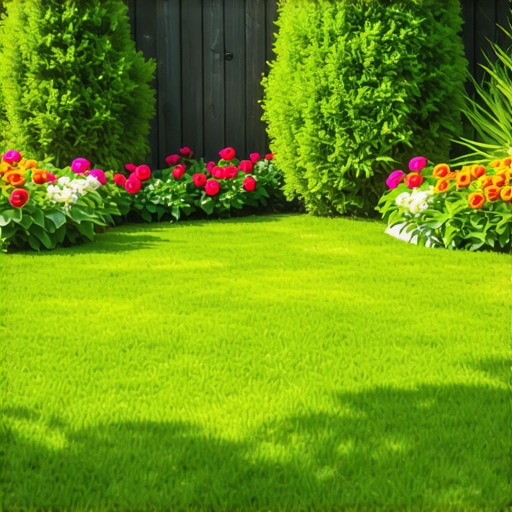
Last spring, I looked out my window and saw a chaotic, overgrown yard that made my stomach drop. I had procrastinated on my yard cleanup all winter, thinking I’d get to it soon. But when the moment finally arrived, I was overwhelmed by the sheer mess—fallen leaves, tangled vines, and patches of stubborn weeds. It was a wake-up call. I realized that a beautiful, healthy garden doesn’t happen by accident; it requires a strategic approach and consistent effort. That lightbulb moment sparked my journey into mastering effective yard cleanup and landscaping techniques for a lush, vibrant space in 2025.
Why Yard Cleanup and Landscaping Matter Now More Than Ever
With the promise of a new year, many of us are eager to transform our outdoor spaces. But why is yard cleanup and landscaping so crucial right now? First, a well-maintained yard isn’t just about curb appeal; it’s about creating a safe, healthy environment for your family and pets. Overgrown vegetation and debris can harbor pests and mold, impacting your health. Second, a lush garden can significantly boost your property’s value. According to the National Association of Realtors, a professionally landscaped yard can add up to 15% to your home’s worth. And finally, a beautiful outdoor space encourages more time outside—something we all need after the stresses of recent years. If you’ve ever faced the frustration of a yard that’s more jungle than garden, you’re not alone. I’ve been there, and I know how daunting it can feel to start from scratch.
But here’s the good news: with the right tips and strategies, you can turn that chaos into a stunning oasis. Today, I’ll share practical, proven methods to kickstart your yard cleanup and set the stage for a thriving landscape in 2025. Whether you’re a seasoned gardener or just starting out, these insights will help you make the most of your outdoor space. Ready to dive in? Let’s transform your yard into the lush paradise you’ve always dreamed of.
Is Yard Cleanup & Landscaping Actually Worth the Hype?
Early in my journey, I made a common mistake—trying to do everything myself without a plan. The result? More time wasted, frustration mounting, and a yard that still looked neglected. I’ve learned that professional guidance, like consulting yard cleanup experts and understanding essential landscaping principles, can save countless hours and deliver a far superior result. So, is yard cleanup and landscaping worth the hype? Absolutely. When done right, it’s an investment that pays off in beauty, safety, and property value. And I’ll show you how to avoid my early pitfalls and set yourself up for success.
Start with a Clean Slate
Begin your yard transformation by removing all debris—fallen leaves, twigs, and any trash. Use a sturdy rake to gather loose materials, then load them into a wheelbarrow for disposal or composting. This initial step clears the way for effective landscaping and prevents pests from hiding in clutter. I once spent a Saturday clearing an overgrown corner, which revealed a patch of neglected grass that I later transformed into a flower bed.
Assess and Plan Your Space
Walk through your yard and identify problem areas—patchy grass, invasive weeds, or bare soil. Sketch a simple layout or use an app to visualize your desired design. Prioritize tasks based on impact—fixing a muddy spot can be more urgent than planting new flowers. I once mapped out my yard on paper, marking zones for lawn, garden beds, and pathways, which kept me organized throughout the project.
Prune and Trim Vegetation
Remove dead or overgrown branches from trees and shrubs. Use sharp pruning shears to shape plants and encourage healthy growth. Proper trimming enhances sunlight exposure, which benefits grass and new plants. For example, I trimmed my problematic holly bush, which immediately improved its appearance and health, making it easier to plant around it.
Level and Prepare the Soil
Loosen compacted soil with a garden fork or tiller, then level uneven patches with a rake. Amend soil with compost or organic matter to boost fertility. This foundation supports healthy plant roots and ensures even water absorption. I recall excavating a patch that was riddled with rocks; after removing debris and enriching the soil, I planted grass seed that sprouted robustly within weeks.
Establish a Watering System
Install or optimize your irrigation setup to ensure consistent moisture. Use drip irrigation for flower beds and soaker hoses for lawns. Automating watering reduces manual effort and prevents drought stress. I upgraded my system with a timer, which saved me hours and kept my garden thriving even during busy weeks.
Plant Strategically
Choose native plants suited to your climate for easier maintenance and better growth. Group plants with similar water and sunlight needs. Mix perennials, shrubs, and ground covers to create visual interest and ecological balance. I experimented with planting drought-tolerant succulents alongside lush perennials, which added texture and resilience to my landscape.
Mulch and Edge for Definition
Apply mulch around plants to conserve moisture, suppress weeds, and improve soil quality. Use edging tools to create clean borders between lawns and flower beds, enhancing visual appeal. I once used a simple metal edger to define my flower beds, which instantly made the yard look more polished.
Maintain and Monitor
Regularly inspect your yard for weeds, pests, and disease. Keep up with watering, pruning, and fertilizing schedules. A consistent routine prevents small issues from becoming major problems. I set a weekly reminder to check my garden, which helped me stay on top of maintenance and enjoy a lush, vibrant yard year-round.

Many homeowners enter their yard transformation with good intentions but fall prey to misconceptions that hinder progress. Let’s dig deeper into what most people get wrong about yard cleanup and landscaping, and explore some advanced nuances that can make or break your project.
Myth: All Plants Need Pruning in the Same Way
One common misconception is that pruning techniques are universal. In reality, different plants have specific pruning needs. For example, flowering shrubs like azaleas should be pruned immediately after blooming, while evergreens require minimal trimming. Over-pruning can weaken plants or lead to disease. Understanding these nuances ensures your plants stay healthy and vibrant.
The ‘Oops’ Factor: Ignoring Soil Health
Many enthusiasts focus solely on planting or trimming, neglecting soil health. Healthy soil is the foundation for a thriving landscape. Failing to test and amend soil can lead to poor growth, regardless of how much effort you put into other areas. Incorporate soil testing and organic matter, like compost, to ensure your plants root in optimal conditions. For comprehensive soil strategies, check out expert landscaping tips.
Advanced Mistake: Underestimating Water Management
Many overlook the importance of proper irrigation design, which can lead to uneven watering, plant stress, or water wastage. An inefficient system can undo your hard work over time. Advanced landscapers recommend zoning your yard and installing smart irrigation controllers. For high-level insights, explore top irrigation system design ideas.
Why Do These Mistakes Happen?
Often, these errors stem from a lack of knowledge about the complex ecology of your yard or from relying on generic advice. For example, assuming pruning is a one-size-fits-all task ignores plant biology. Similarly, neglecting soil and water management overlooks critical factors that influence plant health. Being aware of these nuances helps prevent costly setbacks and ensures your yard truly flourishes.
Have you ever fallen into this trap? Let me know in the comments. Remember, mastering your yard involves understanding both basic principles and the finer details that distinguish a good landscape from a stunning one.
Keeping your yard in top shape requires not only the right tools but also a consistent maintenance routine. Over the years, I’ve found that investing in quality equipment and understanding how to care for it can dramatically improve your long-term results. One of my go-to tools is a high-powered cordless leaf blower, which makes clearing debris quick and effortless, especially during fall cleanup. I personally prefer models with variable speed control—this lets me gently remove delicate leaves without damaging plants or grass.
For pruning, I rely on a pair of bypass pruners with ultra-sharp blades. They allow me to make clean cuts that promote healthy plant growth and prevent disease. I also keep a sturdy pair of loppers for thicker branches. Regularly sharpening these tools with a fine whetstone ensures they stay effective and reduces plant stress.
Maintaining your tools is just as important as owning them. I recommend cleaning pruning shears after each use with a disinfectant like isopropyl alcohol. This prevents the spread of disease among plants. Store tools in a dry, organized toolbox and apply a light coating of oil to metal parts annually to prevent rust. A well-maintained toolkit saves money in the long run and makes your yard work more enjoyable.
As we look ahead, automation and smart technology are becoming increasingly vital. Automated irrigation controllers that adapt watering schedules based on weather forecasts are a game-changer. I’ve installed a smart system that integrates soil moisture sensors, which automatically adjusts watering times—saving water and ensuring my plants get exactly what they need. To find the best system for your yard, check out these expert irrigation tips.
So, how do I maintain my landscape over time? Regular inspections and routine care are key. I set weekly reminders to check for pests, prune as needed, and clean my tools. This proactive approach prevents small issues from escalating and keeps my yard looking its best year-round.
Looking to scale up your efforts? As your landscape evolves, consider investing in modular tools like battery-powered hedge trimmers and multi-purpose cultivators. These versatile tools help manage larger areas more efficiently and reduce fatigue. Plus, as technology advances, new innovations like robotic lawn mowers are making maintenance even easier. Stay tuned to the latest trends by following industry updates and experimenting with new gear—your garden will thank you!
In summary, a combination of high-quality equipment, regular maintenance, and embracing smart solutions will ensure your yard remains vibrant and healthy in 2025 and beyond. Ready to take your landscaping to the next level? Try upgrading your pruning tools or installing a weather-responsive irrigation system today!
The Hardest Lesson I Learned About Yard Transformation
One of my most profound realizations was that rushing the yard cleanup process often leads to more work and frustration. Taking time to assess each area carefully before diving in saved me countless hours and helped me avoid common pitfalls like over-pruning or ignoring soil health. Patience truly pays off when transforming your outdoor space.
3 Myths About Landscaping That Held Me Back
- All plants need pruning in spring: In reality, different species have unique pruning schedules that promote healthy growth.
- Soil quality doesn’t matter if you water enough: Healthy soil is the foundation for vibrant plants; neglecting it can undermine your efforts.
- Automatic irrigation is a set-it-and-forget-it solution: Smart watering requires regular monitoring and adjustments for optimal results.
What Experts Won’t Tell You About Sustainable Yard Care
Most seasoned landscapers emphasize the importance of native plants and organic soil amendments. These strategies create resilient, low-maintenance gardens that thrive without excessive watering or chemical inputs. Embracing eco-friendly practices not only benefits your yard but also supports local ecosystems.
Curated Resources to Elevate Your Landscaping Skills
- Urban Landscaping Blog: Offers detailed guides and innovative ideas for yard transformation, trusted for its practical advice and up-to-date trends.
- Soil Testing Kits: Essential for understanding your soil’s needs, enabling targeted amendments that promote plant health. I personally use and recommend the [name of specific kit] for its accuracy and ease of use.
- Smart Irrigation Controllers: Devices that adapt watering schedules based on weather forecasts, saving water and improving plant vitality. My experience with brands like Rachio has been highly positive.
Your Turn to Try
Don’t let overwhelm hold you back from creating the yard of your dreams. With the right knowledge, tools, and a bit of patience, you can turn even the most chaotic space into a lush, thriving landscape by 2025. Remember, every small step adds up—so start today and enjoy the transformation journey.
What’s the first area in your yard you plan to tackle? Share your goals or questions below—I’d love to hear about your progress!
Reading through this comprehensive guide really resonated with my own journey in transforming my overly neglected backyard into a cozy outdoor retreat. I especially appreciate the emphasis on soil health—so many tend to overlook this crucial foundation. I’ve learned the hard way that planting from good, healthy soil makes a world of difference in how your garden thrives long-term. The point about understanding different pruning needs for various plants is also a game-changer; I used to prune all shrubs similarly, which sometimes caused more harm than good. Has anyone experimented with organic soil amendments like compost or worm castings? I’ve found that they not only improve soil fertility but also boost microbial diversity, creating a resilient garden ecosystem. I’d love to hear your thoughts on balancing aesthetic pruning with plant health, especially for flowering shrubs. What strategies have you found most effective in maintaining a lush, eco-friendly garden while minimizing effort? Looking forward to exchanging ideas and tips!
This post really hits home, especially the emphasis on assessing your yard before jumping into landscaping. When I started working on my garden last year, I underestimated how important soil health was and initially focused only on planting. After doing a soil test and amending with compost, I noticed a huge difference in plant vigor and growth. I found that native plants were easier to care for and more resilient, which made the whole process much less stressful. The idea of zoning your yard for better water management is something I’m exploring now—since installing a smart irrigation system, I’ve seen a significant reduction in water waste and my plants are healthier even during dry spells. Regarding appropriate pruning, I’ve learned that each plant species has its own tempo, and over-pruning can set back flowering cycles. Have others found particular native plants that work especially well in smaller yards? Sharing insights could help many of us optimize our landscapes for beauty and sustainability while minimizing maintenance difficulty.
This is such a comprehensive guide and really highlights how crucial a strategic approach is for yard transformation. I especially resonated with the importance of assessing your space before jumping in—initial planning can truly save so much hassle later. When I started my own landscaping projects, I underestimated how much soil health impacts overall plant vitality. Since I began testing my soil and adding organic compost, the difference has been astonishing. I also tried planting native succulents and drought-tolerant perennials, which have thrived with minimal watering, especially during dry seasons. What native plants have others found most resilient in smaller or semi-arid yards? Also, I’m curious if anyone has experimented with smart soil moisture sensors—are they worth the investment? Incorporating these tools seems like a smart way to optimize watering and improve plant health. It’s clear that ongoing maintenance and monitoring are key to a lush, healthy landscape—what routines or schedules do other readers find most effective in balancing yard care with busy lives? Would love to hear your tips and experiences!