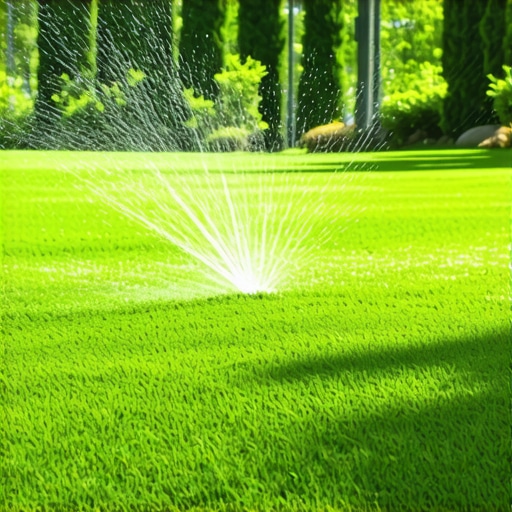
Last summer, I watched my perfectly manicured lawn turn patchy, brown, and lifeless after a few weeks of neglect. It was a painful realization—despite my best efforts, I had skipped crucial steps in sod installation and irrigation planning. That lightbulb moment made me dive deep into expert strategies to ensure my lawn wouldn’t just survive but thrive in 2025. If you’ve faced similar frustrations, you’re not alone. Achieving a lush, vibrant yard isn’t just about planting grass or watering haphazardly; it’s about understanding the science and implementing proven techniques. Today, I’ll share the exact methods that transformed my yard, and I promise, with these tips, your lawn can be the envy of the neighborhood.
The Why Behind Proper Sod and Irrigation Planning
Inadequate knowledge about sod installation and irrigation can lead to wasted time, money, and effort. Many homeowners make the mistake of rushing into sod laying without prepping the soil properly or neglecting a tailored irrigation plan. According to research by the University of Georgia, proper watering and soil preparation can increase turf health and drought resistance significantly. That’s why, in 2025, I believe the key to a perfect lawn lies in strategic planning and execution. If you’re tired of patchy grass and high water bills, understanding why these elements matter is your first step.
Question: Is professional sod installation and irrigation really worth the hype?
Early in my journey, I tried to DIY my lawn, assuming I could save money. Big mistake. I skipped essential steps like soil testing and proper grading, which led to poor sod adhesion and uneven watering. It was only after consulting with professionals—who shared insights on soil health and irrigation design—that I saw real results. If you’re skeptical, ask yourself: Have I truly optimized my soil and watering habits? If not, it’s likely time to consider expert guidance. For more insights, check out professional sod installation tips that can make all the difference.
Prepare the Soil Like a Pro
Start by testing your soil to determine its pH and nutrient levels. During one project, I rented a soil test kit and discovered my soil was acidic and lacked nitrogen. I amended it with lime and a balanced fertilizer, which laid the foundation for healthy sod growth. Proper soil preparation is like giving your lawn a VIP treatment, ensuring the grass roots can establish firmly and access vital nutrients.
Level and Grade the Surface
Use a rake or a leveling tool to smooth out the soil surface, removing high spots and filling low areas. I once spent an entire afternoon grading uneven patches, which prevented water pooling and improved sod contact. Think of it as giving your yard a fresh, even bed—crucial for uniform growth and sod adhesion.
Choose the Right Sod and Lay It Correctly
Opt for high-quality, locally sourced sod suited to your climate. When I installed my lawn, I laid the sod in a brick-like pattern, staggering seams to prevent gaps. Make sure to cut sod pieces neatly with a sharp knife and press them firmly into the soil, avoiding air pockets. This step is akin to laying bricks—each piece must fit snugly to create a seamless carpet of green.
Water Immediately After Installation
Water the sod thoroughly within 30 minutes of laying it. I learned this lesson the hard way when waiting too long led to dry patches. Use a sprinkler to deliver a gentle, deep soak that penetrates the soil and encourages root establishment. Consistent watering is the backbone of sod survival and growth.
Design an Efficient Irrigation System
Invest in a smart irrigation system with zones and timers. I installed a drip system with adjustable heads that targeted specific areas, reducing water waste. Think of your irrigation as a circulatory system—delivering vital water where it’s needed most, like a well-orchestrated symphony. Proper planning prevents both overwatering and drought stress.
Implement Deep and Infrequent Watering
Instead of daily light watering, water deeply twice a week. I adjusted my schedule, and my lawn responded with stronger, deeper roots. Use a rain gauge or soil moisture sensor to monitor water absorption. This technique encourages drought-resistant roots and minimizes water bills.
Regular Maintenance and Monitoring
Keep an eye on your lawn’s health by inspecting for signs of pests or disease. During my routine check, I noticed a patch of yellowing grass—an early indicator of nutrient deficiency. Applying a balanced fertilizer and aerating the soil improved the overall health. Regular checks help catch problems early and maintain a vibrant, lush lawn.
Aerate and Overseed as Needed
Periodically aerate to relieve soil compaction and overseed to fill in bare spots. I aerated my yard in early spring, which promoted better water penetration and root growth. Think of it as giving your lawn a breath of fresh air, vital for ongoing vitality.
Many homeowners believe that simply laying sod and watering regularly will guarantee a lush lawn. However, this oversimplification often leads to mistakes that undermine your efforts. Let’s dig deeper into the nuances most people overlook and the myths that can trap even experienced DIYers.
Myth: More Water Always Means Better Growth
One of the most persistent misconceptions is that frequent, shallow watering encourages healthier grass. In reality, **deep, infrequent watering** promotes deeper root growth, making your lawn more drought-resistant. Overwatering can lead to shallow roots, disease, and wasted water—costly mistakes that can be avoided by understanding soil moisture dynamics. According to a study published by the University of California, deep watering encourages stronger roots and healthier turf, reducing maintenance in the long run.
The Hidden Nuance: Soil Testing Is Non-Negotiable
Many skip soil testing, assuming their soil is fine. This oversight can cause serious issues, such as nutrient deficiencies or pH imbalances that stunt root development and sod survival. Proper soil amendments—like lime for acidity or specific fertilizers—are tailored based on test results. This step is often underestimated but is crucial for a thriving lawn. I recommend consulting with pros or using reliable DIY kits to avoid costly mistakes, especially when planning for 2025’s landscaping upgrades.
Advanced Question: How can I optimize irrigation zones for different soil types across my yard?
Great question. Different soil types—clay, silt, or sandy—absorb and retain water differently. A well-designed irrigation system should account for these variations by creating zones with adjustable watering durations and spray patterns. Incorporating soil moisture sensors helps tailor watering schedules precisely, preventing over- or under-watering in different areas. For a comprehensive approach, explore irrigation design tips that can help you customize your system effectively.
Beware of the ‘Set and Forget’ Trap
Another common mistake is assuming that once your irrigation system is installed, it can run on auto-pilot. Regular monitoring and maintenance are essential to catch issues like clogged heads, leaks, or uneven coverage. Regularly inspecting your system—especially after seasonal changes—ensures your lawn receives the right amount of water and reduces waste. It’s a small investment of time that pays off with a healthier, more resilient yard.
In summary, understanding the complexities and avoiding these pitfalls can significantly improve your sod and irrigation success in 2025. Don’t fall for the myth that more water is always better or neglect soil testing. Instead, approach your lawn with a strategic plan that incorporates advanced techniques and ongoing monitoring. Have you ever fallen into this trap? Let me know in the comments!
Maintaining your lush lawn over time requires the right tools and a proactive approach to upkeep. I personally rely on a few key pieces of equipment that make a significant difference in ensuring my yard stays vibrant and healthy year-round. One of my top tools is a high-quality **soil moisture sensor**, which helps me monitor watering needs precisely, preventing over- or under-watering. This device has been a game-changer, especially as I aim for a sustainable, water-efficient lawn in 2025.
For aeration, I use a **gas-powered aerator** that allows me to cover large areas quickly and efficiently. Aerating is critical for relieving soil compaction and promoting deeper root growth, and investing in a reliable machine ensures this task is less labor-intensive. After aeration, I overseed with a seed spreader that provides even distribution—an essential step for filling bare patches and maintaining dense turf.
When it comes to irrigation, a **smart sprinkler system** with zone control and programmable timers is indispensable. I personally installed a system that adapts to weather conditions and soil types, reducing waste and optimizing watering schedules. These systems are evolving rapidly, with future trends pointing toward AI-powered controllers that learn your yard’s unique needs, further enhancing efficiency.
Regular maintenance of these tools is equally important. I make sure to clean and calibrate my sprinkler heads monthly, inspect hoses for leaks, and update software on my irrigation controllers. This routine keeps my system operating at peak performance and extends the lifespan of my equipment.
Looking ahead, I believe that integrating **data-driven lawn management tools** will become standard practice. Apps that sync with soil sensors and weather forecasts will provide real-time recommendations, making lawn care more precise and less time-consuming. Embracing these innovations now will set you up for long-term success and a truly beautiful yard in 2025.
Question: How do I maintain my lawn tools and systems over time?
Proper maintenance starts with regular inspections—checking for clogs, leaks, or wear and tear. For irrigation systems, I recommend flushing hoses and cleaning filters every few months. Power tools like aerators and spreaders benefit from thorough cleaning after each use and periodic lubrication. Keeping your equipment well-maintained ensures reliable performance and saves money on repairs or replacements.
Try adopting a seasonal maintenance schedule that aligns with your lawn’s growth cycle. For example, aerate and overseed in early spring, and perform system checks before summer watering peaks. Investing in quality tools and maintaining them diligently will keep your lawn thriving with less effort and frustration.
Ready to take your lawn care to the next level? Consider upgrading to a **smart irrigation controller** or a **professional-grade aerator**. These investments pay off by saving water, reducing labor, and achieving a healthier, more resilient lawn. For detailed advice on selecting the best equipment, check out my recommended tools and maintenance tips.
The Hardest Lesson I Learned About Sod and Irrigation
One of my biggest realizations was that rushing into sod installation without thorough soil testing can set your project back months. I learned this the hard way when patchy, unhealthy grass took over despite my efforts to water diligently. The key lesson? Never skip soil testing and proper soil preparation. It’s the foundation that determines everything else.
3 Myths About Lawn Irrigation That Held Me Back
For years, I believed that more frequent watering would keep my grass lush. Turns out, deep and infrequent watering promotes stronger roots and drought resistance, saving water and money. Busting this myth transformed my approach and significantly improved my lawn’s health.
What Experts Won’t Tell You About Sod and Irrigation
Most people overlook the importance of zone-specific irrigation tailored to different soil types. Incorporating soil moisture sensors and designing zones accordingly can optimize water use and promote even growth. This advanced strategy was a game-changer for my yard’s vibrancy and resilience.
My Essential Toolkit for Lawn Mastery
My go-to tools include a reliable soil moisture sensor for precise watering, a professional-grade aerator to relieve compaction, and a smart irrigation controller that adapts to weather conditions. These tools help me maintain a healthy, lush lawn with less effort and waste.
Where to Go from Here
To elevate your lawn game, invest in advanced irrigation design, regularly monitor soil health, and consider professional help for complex projects. Continuous learning and adapting your techniques will ensure your yard remains a source of pride in 2025 and beyond.
Your Turn to Try
Now, it’s your turn—what’s one lawn care myth you’ve believed that you’re ready to challenge? Share your thoughts or questions below, and let’s grow greener together!