
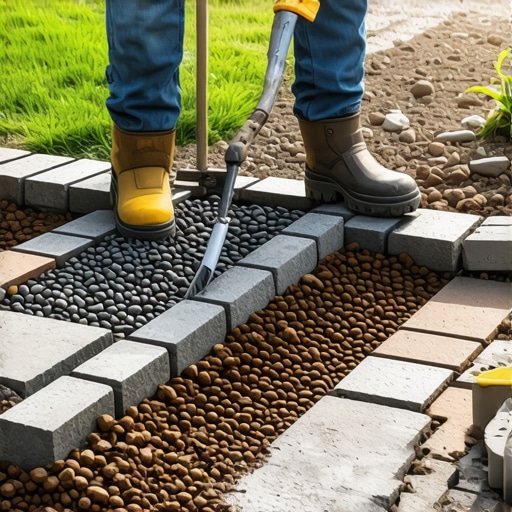
Landscaping is not a cosmetic exercise. It is a civil engineering project that happens to have a finished surface of stone or turf. If you approach a paver patio installation with the mindset of a decorator, your project will fail within three years. I have spent two decades remediating failed hardscapes, and the culprit is always the same: a fundamental misunderstanding of soil mechanics and base stabilization. The work you do underground determines the lifespan of the stone on top. Before you buy a single paver or hire a crew for a yard cleanup, you must understand that 80 percent of the labor occurs below the finish grade. This is about managing hydrostatic pressure, soil load-bearing capacity, and moisture migration.
The Anatomy of a Failed $30,000 Hardscape
I recently got called out to tear up a $30,000 patio that was sinking because the previous contractor ignored the basic laws of physics. The homeowner was devastated. From the surface, the pavers looked premium, but the entire structure was undulating like a wave. Upon excavation, we discovered the contractor had used 4 inches of uncompacted pea gravel over raw topsoil. They didn’t even perform a basic yard cleanup to remove organic matter. Within two freeze-thaw cycles, the hydrostatic pressure trapped in the uncompacted voids forced the pavers upward, and the lack of a stabilized subgrade caused the heavy stone to migrate into the soft earth. We had to haul away 40 tons of ruined material before we could even begin a proper install. This is the price of skipping the engineering phase. If the base is not monolithic, the patio is temporary.
Excavation and Subgrade Preparation
To ensure a stable paver patio, the base rock layers must consist of crushed stone like 21A or 3/4-inch modified gravel compacted in 2-inch lifts. Proper excavation depth and achieving a 98 percent Standard Proctor Density are required to prevent subgrade settlement and structural failure over time. Most DIY guides tell you to dig 6 inches deep. They are wrong. You must dig until you hit