
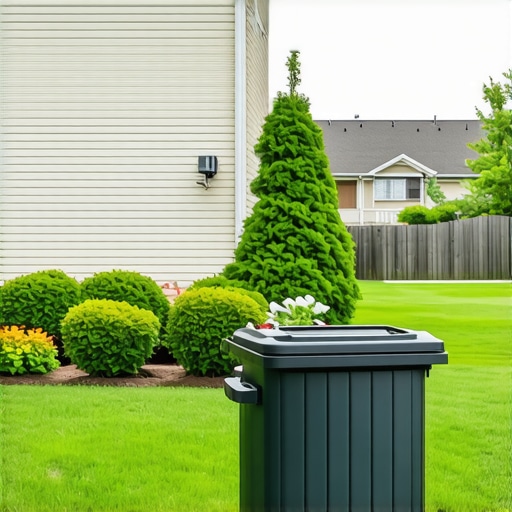
Planning a Functional Trash Enclosure for Maximum Curb Appeal
A professional hidden trash can enclosure requires a stable, compacted base of at least 4 inches of 2B modified gravel to prevent shifting and ensure proper drainage. By utilizing high-density materials and strategic placement, homeowners can hide unsightly bins while maintaining easy access for waste management crews and protecting their landscaping investment.
I recently got called out to tear up a $30,000 patio that was sinking because the previous contractor thought he could just throw pavers over native soil without a proper sub-base. The homeowner was furious, and rightly so. The entire structure had heaved three inches because the hydrostatic pressure from trapped water had nowhere to go. This is the same mistake people make with trash enclosures. They treat them like an afterthought. They throw some pressure-treated wood on the grass and wonder why the gate won’t close two years later. It rotted. The soil settled. The yard cleanup they did was wasted because the structural integrity was zero. In my twenty years in the dirt, I’ve learned that if you don’t respect the soil’s load-bearing capacity, the soil will eventually win.
The Engineering Behind the Base Layer
Before you even think about the aesthetic of the screen, you have to look at what’s underneath. We’re talking about Proctor density. Most residential soil is far too loose to support a permanent structure without excavation. You need to dig down at least 6 to 8 inches. You remove the organic matter—that’s your sod install prep—and you replace it with structural fill. We use 21A or 304 crushed stone. It’s got the right mix of fines and aggregates to lock together under mechanical compaction. If you skip the plate compactor, you’re just building on a sponge.
“A retaining wall doesn’t fail because of the stone; it fails because of the water trapped behind it.” – Hardscape Engineering Axiom
Water is the enemy. If your enclosure sits at the bottom of a slope, you’re creating a dam. This is where irrigation and drainage planning overlap. You need a 1% to 2% slope away from the house and the enclosure itself. I’ve seen sod install projects fail because the trash enclosure blocked the natural sheet flow of water, leading to root rot in the surrounding turf. We often install a small French drain behind the enclosure’s back wall to catch runoff. It’s cheap insurance for a long-term build. Don’t skip this step.
Materials: Choosing Durability Over Price
Selecting the right materials for a trash enclosure involves balancing rot-resistance, such as using Grade A cedar or composite lumber, with structural hardware rated for ground contact. Avoid big-box store ‘whitewood’ which will warp within a single season of humidity cycles, leading to gate failure and unsightly gaps.
| Material Type | Expected Lifespan | Maintenance Level | Structural Stability |
|---|---|---|---|
| Pressure Treated Pine | 10-12 Years | High (Staining/Sealing) | Moderate (Prone to warping) |
| Western Red Cedar | 20+ Years | Medium (Aesthetic staining) | High (Natural oils resist rot) |
| Composite (PVC/WPC) | 25+ Years | Very Low | Very High (Requires metal frame) |
| Masonry/Stone | 50+ Years | Low | Absolute (Needs deep footings) |
How much modified gravel do I need for a patio base?
To calculate the gravel needed for a trash enclosure or small patio base, multiply the square footage by the depth in feet, then divide by 27 to get cubic yards; typically, a 4×8 foot enclosure at a 6-inch depth requires approximately 0.6 cubic yards of modified gravel. Always add 10% for compaction loss. If the material doesn’t compact, it isn’t the right material. Use a vibratory plate compactor. Do not use a hand tamper for anything larger than a single stepping stone. Your back and your landscaping will thank you.
What is the best foundation for a trash enclosure?
The best foundation for a trash enclosure is a reinforced concrete pad or a compacted aggregate base with permeable pavers to ensure that heavy bins do not create ruts or sinkholes over time. A solid foundation prevents the gates from sagging and ensures the enclosure remains level during freeze-thaw cycles. In areas with heavy clay, we increase the aggregate depth to 8 inches to provide a better buffer against soil expansion. This is critical if you just invested in a sod install nearby; you don’t want mud tracking into your new grass.
“Proper subgrade preparation is the most critical factor in the long-term performance of any segmental terminal system or hardscape assembly.” – ICPI Tech Spec No. 2
The Installation Checklist
- Mark all underground utilities via 811 before digging for posts or base excavation.
- Excavate 6-8 inches below grade, removing all organic root matter.
- Install a non-woven geotextile fabric to separate the subgrade from the aggregate.
- Layer 2B modified stone in 2-inch lifts, compacting each layer to 95% Proctor density.
- Check for 1-2% pitch to ensure positive drainage away from structures.
- Set posts in concrete below the frost line (usually 30-36 inches depending on your region).
- Use stainless steel or hot-dipped galvanized fasteners to prevent ‘bleeding’ on the wood.
Once the structure is up, don’t just leave a dirt ring around it. This is where your landscaping skills come in. Integrate the enclosure into the yard. We often use irrigation drip lines to feed low-maintenance shrubs like Boxwoods or Skip Laurels around the perimeter. This softens the hard lines of the enclosure and makes it look like part of the original design, not a utility box you slapped on the side of the house. If you’re doing a yard cleanup, this is the time to prune back any overhanging limbs that might drop debris onto the enclosure roof or into the bins. Keep it clean. Keep it engineered. That’s how you build value.
” ,”image”: {“imagePrompt”: “A high-end, professional wooden trash can enclosure made of Western Red Cedar with black hardware, sitting on a clean permeable paver base next to a freshly installed green sod lawn and professional landscaping.”, “imageTitle”: “Professional Hidden Trash Enclosure Design”, “imageAlt”: “High-end cedar trash can enclosure with stone base and landscaping.”},”categoryId”: 0,”postTime”: “”}
“`