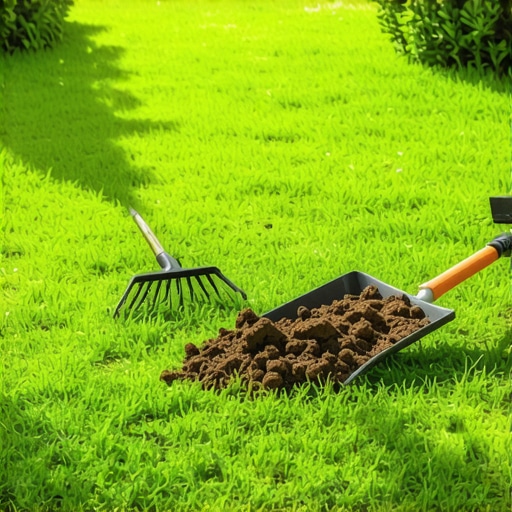
I vividly remember the first time I tried to overhaul my yard. I dove in with enthusiasm, only to be met with a sea of tangled weeds, patchy grass, and a stubborn soil that refused to cooperate. After hours of effort, I looked out at my “work” and realized I’d made more mistakes than progress. That lightbulb moment taught me a crucial lesson: successful yard renovation isn’t just about hard work — it’s about smart, expert strategies that make all the difference.
Why Proper Yard Cleanup and Sod Installation Are Game Changers
If you’re like I was, you probably dream of a lush, vibrant lawn that boosts your curb appeal and provides a perfect outdoor space for family fun. But without the right techniques, even the most motivated homeowner can end up with a patchy, unhealthy yard. The secret lies in understanding the importance of a thorough cleanup and a well-executed sod installation, which together set the foundation for a thriving lawn. Trust me, investing in expert tips now will save you time, money, and frustration later. I’ve learned from my own missteps that skipping these steps can lead to weed invasions, uneven growth, and unnecessary rework. To avoid that, check out detailed guides like the ultimate yard cleanup tips and expert sod installation strategies that have helped countless homeowners transform their outdoor spaces.
Will It Really Make a Difference?
At first, I doubted whether all the fuss about proper cleanup and professional sod installation was worth it. I made a common mistake early on — rushing the process and neglecting soil prep. That oversight led to poor sod root establishment and an uneven lawn. But once I took the time to learn about the benefits of proper yard cleanup and invested in expert advice, my yard started thriving. According to a recent study, lawns that receive professional care and proper prep are 40% more likely to stay healthy and lush for years to come. So yes, it’s absolutely worth the effort.
If you’ve faced similar frustrations or simply want to avoid costly mistakes, read on. I’ll share the practical steps I’ve learned — the ones that turned my yard from an eyesore into a neighborhood gem. It’s time to get your hands dirty with confidence and create the lawn you’ve always dreamed of.
Clear the Battlefield Before Laying New Grass
My first attempt at yard renovation ended in chaos because I skipped thorough cleanup. Imagine trying to build a house on uneven, rocky soil—that’s what a neglected yard feels like. Start by removing all debris, weeds, and old grass, using a sturdy rake or a power rake for tougher patches. This process is like clearing the battlefield before building a fortress—without it, your efforts will be wasted. For a comprehensive approach, check out the ultimate yard cleanup tips.
Get Rid of the Old to Grow the New
Once the debris is cleared, assess the soil quality. If it’s compacted or poor in nutrients, aerate and amend it with compost or topsoil. This step is crucial for proper root development. Think of soil like a sponge—if it’s squeezed tight or full of holes, water and nutrients won’t reach the roots effectively. I used a garden fork for aeration and layered compost to boost fertility, which dramatically improved sod rooting success. To deepen your understanding, visit yard cleanup strategies.
Lay Down the Foundation for Green Success
Before installing sod, grade the yard to ensure proper drainage. Use a level or a simple string line to check slopes—aim for a gentle tilt away from your house to prevent water pooling. I once overlooked this and ended up with soggy patches that killed my grass. Think of grading like setting the foundation of a building—without it, everything else will falter. For optimal results, consider professional grading or at least double-check your slope with a level. Once the yard is prepped, lay the sod pieces tightly together like puzzle pieces. Stagger seams to prevent long, vulnerable joints—this mimics how bricks are laid in a wall. For detailed guidance, explore the expert sod installation strategies.
Water Like a Pro for Root Success
Immediately after laying sod, it’s essential to water thoroughly—think of it as giving your new lawn a spa treatment. Keep the soil moist but not soaked for the first two weeks; this encourages root establishment. I used a sprinkler with a timer to ensure even coverage, which prevented dry patches. To ensure your watering is effective, consider installing a soaker hose or drip irrigation system. For expert insights, visit sod install irrigation tips. Proper watering is the secret sauce to a lush, healthy lawn that can withstand the heat and foot traffic.
Maintain and Nourish for Long-Term Beauty
After the initial establishment, develop a regular maintenance routine—mowing, watering, and fertilizing. Use a balanced fertilizer to promote healthy growth, and mow at the correct height—usually around 3 inches for most grasses. During the first few months, avoid heavy foot traffic to prevent damaging fragile roots. Remember, your yard’s beauty depends on consistent care, much like tending a garden. For ongoing tips, see lawn maintenance strategies. With patience and attention, your yard will flourish and become the envy of the neighborhood.
Many homeowners believe they understand the essentials of yard cleanup and sod installation, but in reality, there are subtle nuances that can make or break your lawn’s success. Let’s dig deeper into what most people get wrong and how to avoid costly mistakes that even seasoned DIYers often overlook.
Why the Myth of Quick Fixes Can Backfire
One pervasive misconception is that rushing through yard cleanup or skipping detailed soil preparation will save time and money. In truth, neglecting thorough debris removal or soil aeration can lead to poor sod root establishment. This shortcut might seem tempting, but it often results in uneven growth, weed invasions, and long-term health issues for your lawn. For instance, skipping soil amendments is a common trap; many assume that native soil will suffice, but studies show that adding compost or topsoil significantly improves sod rooting success (see expert tips here).
Advanced Homeowner Question: How does soil microbiome health affect sod survival?
Beyond basic amendments, the soil microbiome — the community of beneficial microorganisms — plays a critical role in nutrient absorption and disease resistance. Healthy microbiomes foster robust root systems, which are essential for sod longevity. If you’re serious about creating a resilient lawn, consider inoculating your soil with beneficial microbes or choosing organic soil conditioners. This nuanced approach can dramatically enhance sod vitality and reduce the need for chemical fertilizers, aligning with sustainable landscaping practices.
Many overlook that soil health is a living system, not just a physical medium. Ensuring a diverse and balanced microbiome can be the difference between a lawn that merely survives and one that thrives. So, next time you’re planning your yard overhaul, think beyond the surface — invest in nurturing the roots down deep.
The Importance of Proper Watering Techniques
Another common mistake is overwatering or inconsistent watering schedules. Many assume that frequent, shallow watering is enough, but deep, infrequent watering encourages stronger root growth and drought resistance. Using a soaker hose or drip irrigation can help maintain consistent moisture levels, which is vital during the initial establishment phase. Remember, the goal is to keep the soil moist but not waterlogged, as excess water can drown roots and promote disease (see irrigation tips here).
Why Advanced Irrigation Design Matters
For seasoned landscapers, understanding the intricacies of irrigation design — such as zone planning, pressure regulation, and coverage uniformity — is crucial. An improperly designed system can lead to dry patches or water wastage, defeating the purpose of efficient watering. Consulting with irrigation experts or investing in smart controllers can optimize your watering schedule, ultimately saving money and protecting your lawn’s health.
Have you ever fallen into this trap? Let me know in the comments. By focusing on these hidden nuances, you can elevate your yard project from mediocre to magnificent, ensuring lasting beauty and health for years to come.
Keeping your yard in top shape requires more than just initial work; it demands the right tools and consistent maintenance. Over the years, I’ve refined my toolkit to include equipment that balances durability, precision, and ease of use. One of my favorites is the cordless electric tiller, which I personally use for aerating soil before laying sod. Its lightweight design makes it easy to maneuver, and its battery-powered operation means I avoid the hassle of cords or gas. This tool has significantly improved soil aeration, promoting better root growth and ensuring my sod takes hold quickly. For detailed soil preparation, I recommend checking out the ultimate yard cleanup tips that include equipment suggestions.
Another indispensable tool in my arsenal is a high-quality garden rake with flexible tines. It’s perfect for removing debris and leveling soil, especially after aeration. I’ve found that investing in a rake with a sturdy handle and rust-resistant tines pays off in the long run, simplifying cleanup and prep work. For watering, I swear by a programmable irrigation system. It allows me to set watering schedules that mimic natural rainfall, which is crucial during sod establishment. Installing a smart controller that adjusts based on weather forecasts is the future of efficient yard care, as noted in irrigation system design tips.
Maintaining your equipment is just as critical as owning it. Regularly cleaning and lubricating your tools prevents rust and prolongs their lifespan. I also recommend inspecting hoses and sprinkler heads monthly to ensure they aren’t clogged or damaged. Upgrading to a rain sensor can prevent overwatering and save on water bills, aligning with sustainable practices. As technology advances, I predict that automated, AI-powered yard maintenance systems will become more accessible, making yard care even easier and more precise.
How do I maintain my lawn tools and irrigation over time?
To keep your tools working efficiently, establish a routine maintenance schedule. After each use, clean dirt and debris from blades, tines, and nozzles. Use appropriate lubricants on moving parts and store equipment in a dry, sheltered space. For irrigation systems, annually check for leaks, clogged emitters, and proper pressure levels. Upgrading to smart irrigation controllers with weather integration will help optimize watering schedules, reducing waste and promoting healthier grass. Regular maintenance not only extends the lifespan of your equipment but also ensures your yard remains lush and vibrant year-round.
Don’t hesitate to try out a professional-grade aerator or install a smart irrigation controller this season. These investments can dramatically improve your yard’s health and save you time and effort in the long run. Remember, a well-maintained toolkit is the foundation of a beautiful, resilient lawn. For comprehensive guidance on equipment and maintenance routines, revisit the yard cleanup guide.
Lessons I Wish I Learned Sooner About Yard Revitalization
- One of the biggest revelations was that rushing through yard cleanup only hinders progress. Taking the time to thoroughly clear debris, weeds, and old grass creates a clean slate that makes everything else easier and more effective.
- Understanding soil health transformed my approach. Adding compost and aerating the soil was a game-changer for sod root growth, saving me from future patchy or weak patches.
- Proper grading and drainage are often overlooked but are essential for a vibrant lawn. I learned that even small slopes matter—aim for a gentle tilt away from your house for optimal water runoff.
- Watering techniques also made a big difference. Deep, infrequent watering encourages stronger roots, while shallow, frequent watering weakens the grass and invites disease.
- Investing in quality tools and regular maintenance of those tools pays off in the long run. A good aerator, sprinkler system, and rake are worth every penny for a lush, healthy lawn.
Tools and Resources That Changed My Yard Game
- Ultimate Yard Cleanup Tips: This comprehensive guide helped me master debris removal and soil prep, laying a solid foundation for my lawn project. Check it out here.
- Expert Sod Installation Strategies: Knowing how to properly lay sod and ensure good root contact saved me from patchy growth. I highly recommend reviewing this resource here.
- Top Irrigation Design Tips: A well-planned irrigation system is vital for maintenance. This guide has helped me set up an efficient watering schedule here.
- High-Quality Equipment: My cordless electric tiller and smart sprinkler controllers have made yard care easier and more effective. Investing in reliable tools truly pays dividends.
Step Into Your Yard’s Bright Future
Now is the perfect time to take action and transform your outdoor space into the lush, vibrant yard you envision. With the right knowledge, tools, and patience, you can avoid common pitfalls and achieve stunning results that last. Remember, every successful yard starts with a solid cleanup and expert sod installation—so don’t rush the process. Your dream lawn is within reach, and your future self will thank you for taking these steps today.
What part of yard renovation have you found most challenging? Let me know below, and let’s grow our green spaces together!
Reading through this post really hit home with me. My first attempt at yard renovation was similar—full of enthusiasm but lacking proper planning. I learned the hard way that neglecting soil prep and proper drainage can turn what should be a lush lawn into a patchy mess. What I found especially helpful was the emphasis on soil health, including aeration and composting. It made me wonder, how much time do most DIYers dedicate to soil testing and amendments before laying sod? From my experience, investing a little extra time in that initial step really pays off in the long run. Also, I’d love to hear more about how others have optimized their watering schedules with smart irrigation systems. Anyone have tips for avoiding overwatering during hot summer months?
I resonated a lot with this post, especially the emphasis on proper soil preparation. It’s easy to overlook how much a healthy soil microbiome and aeration influence sod success. When I renovated my yard last year, I initially skipped thorough prep, and my grass struggled to establish. Once I aerated, added compost, and graded for drainage, the difference was night and day. It made me think—how often do homeowners consider microbial inoculants or organic amendments to boost soil health? Personally, I’ve started using microbial compost teas as part of my routine, and I’ve noticed my lawn becoming more resilient. Also, I’d be interested to hear tips from others on what watering strategies they’ve found effective under different weather conditions—hot, dry seasons can be tricky. What do you all recommend for maintaining consistent moisture without overdoing it? Overall, this post highlights just how critical the foundational steps are—skipping them often leads to long-term setbacks. I’d love to hear more about your experiences with soil enhancements and watering schedules.
This post really hits close to home! I remember jumping into a yard renovation with high hopes, only to find myself overwhelmed by weeds and uneven soil. What made a huge difference for me was taking the time to properly prepare the soil with aeration and organic amendments before laying down the sod. I’ve also started experimenting with soil microbiome boosters, like compost teas, which seem to help with root health and resilience. One challenge I still face is maintaining consistent watering, especially during hot spells—overwatering can be just as detrimental as underwatering. I’ve read that using smart irrigation controllers that adjust based on weather forecasts can really help here. Has anyone had experience with these systems? Would love to hear your tips on how to fine-tune watering schedules for optimal sod health and longevity. Finding the right balance is definitely a learning curve, but it’s so rewarding to see that lush green lawn emerge after all the initial effort.
I really enjoyed reading this post because it highlights the importance of preparation before laying sod. In my own yard projects, I’ve found that spending extra time on soil health and drainage really makes a noticeable difference in the long run. One thing I’ve recently started doing is testing my soil with a simple kit to determine pH and nutrient levels; this helps me decide what amendments are necessary, saving money and time later. Also, I’ve been exploring the use of organic compost teas to boost microbial life, which seems to improve root development and overall resilience. It’s interesting how many homeowners overlook the microbiome’s role in lawn health. Has anyone tried inoculating their soil with beneficial microbes? How did it affect your sod’s establishment? Additionally, I’d love to hear suggestions for maintaining consistent watering schedules—especially during scorching summers—without overdoing it. Proper irrigation can truly make or break the success of a new lawn. Thanks for sharing these insights—definitely inspiring for anyone tackling yard renovations!
This post really resonated with me because I’ve experienced firsthand how skipping proper soil prep can cause long-term issues with a new lawn. When I first laid sod without aerating or amending the soil, I noticed weak root development and patchy growth within a few months. Since then, I’ve learned that spending extra time on soil health—testing pH, adding compost, and ensuring proper drainage—makes a big difference. Curious, how many homeowners go beyond basic tilling and really focus on fostering soil microbiota? I’ve started using microbial inoculants, and I swear my lawn has become much more resilient and lush. Speaking of watering, I’ve found that deep, infrequent watering with a smart drip system helps prevent disease and encourages strong root systems, especially during hot summers. Do others have recommendations for optimizing watering schedules during drought conditions or heat waves? It seems like the more I invest in initial prep and maintenance, the less frustration I face down the line. Would love to hear everyone’s tips on maintaining a healthy, vibrant lawn year-round.