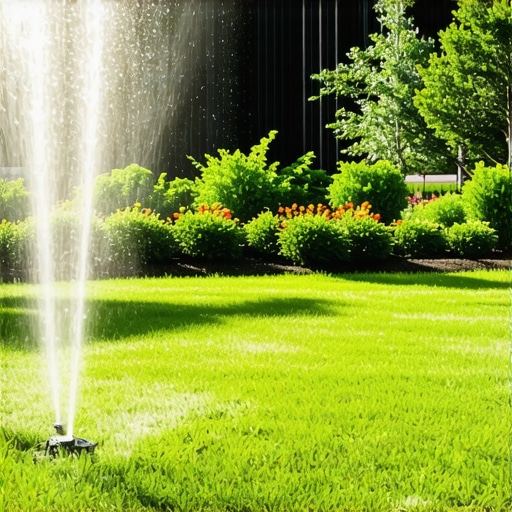
It was a scorching July afternoon when I finally realized my lawn’s secret struggle — despite watering every day, it looked dull, patchy, and stressed. That lightbulb moment hit me hard: I was doing everything wrong. Overwatering in some spots, neglecting others, and ignoring the intricate dance of soil, water, and sunlight. My lush paradise was turning into a desert of disappointment, and I knew I had to change.
Why Proper Irrigation and Landscaping Matter More Than Ever in 2025
As I dive deeper into lawn care, I’ve learned that effective irrigation isn’t just about sprinklers and timers — it’s a science. With climate patterns becoming unpredictable, understanding how to water smartly can mean the difference between a vibrant yard and a brown, lifeless one. Plus, a well-landscaped yard not only boosts curb appeal but also enhances your property’s value and environmental health. According to a recent study, properly irrigated landscapes can reduce water usage by up to 30%, saving you money and conserving this precious resource.
If you’ve faced similar frustrations, you’re not alone. Maybe you’ve tried different sprinkler systems, only to see your lawn suffer from dry patches or over-saturated spots. Or perhaps you’ve spent hours manually watering, without knowing if your efforts are effective. That was me early on — making costly mistakes like ignoring soil types or neglecting drainage. But I found that with the right strategies, you can turn your yard into a lush oasis.
In this post, I’ll share practical, proven tips to elevate your irrigation and landscaping game in 2025. From designing efficient systems to selecting the best plants for your climate, I’ve got you covered. Ready to finally get that perfect, green lawn? Let’s go!
Is Overwatering Really the Biggest Threat to My Lawn’s Health?
One mistake I made early was thinking more water meant a healthier lawn. Turns out, overwatering can drown roots, promote disease, and waste water — all of which harm your yard more than drought. Proper watering is about balance, timing, and understanding your soil. Want to avoid common pitfalls? Check out these top irrigation system design ideas to optimize your watering schedule and ensure every inch of your yard gets just what it needs — no more, no less. For expert insights, visit this guide.
Design Your Watering System with Precision
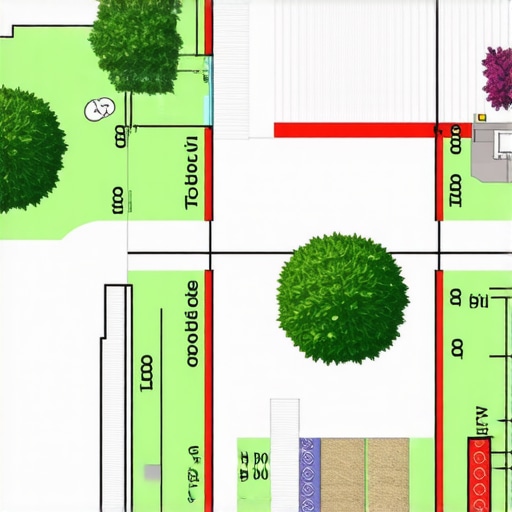
Start by mapping your yard to identify sun exposure, soil types, and drainage patterns. I remember my first attempt — I drew a simple sketch on a napkin, trying to place sprinklers evenly. It was messy, but it gave me a foundation. Use this map to plan zones for different watering needs, such as shady spots versus sunny patches. For inspiration and detailed ideas, check out this guide.
Select the Right Sprinklers
Think of sprinklers as the hands of your yard — choosing the right type is crucial. Fixed spray heads work well for small lawns, while rotor heads are better for large areas. When I installed mine, I tested each zone with a temporary setup, observing water coverage and adjusting spray distances. This hands-on approach prevented dry patches and over-saturated zones, saving water and time. For tailored advice, visit top irrigation system design ideas.
Implement Smart Watering Techniques
Automating your system with timers is like giving your yard a health regimen — consistent and precise. I set my timers to water early mornings, avoiding evaporation and wind drift. To fine-tune, I monitored how long it took for the soil to absorb water during different seasons, adjusting runtimes accordingly. If you’re unsure about soil moisture levels, consider installing a simple soil moisture sensor, which helps prevent overwatering and under-watering. This step made a significant difference in my lawn’s vitality.
Adjust for Weather Changes
Weather swings are unpredictable — heavy rain can turn your careful watering plan into a wasteful mess. I started using a weather-based controller that automatically adjusts watering schedules based on forecast data. During a rainy week, I noticed my system skipped watering, conserving water and preventing soggy soil. This tech upgrade is a game-changer, especially in 2025, with climate patterns becoming more erratic. Learn more about integrating weather data at this resource.
Optimize Soil and Plant Choices
Healthy soil is the foundation of a lush lawn. I aerated and added compost to improve drainage and nutrient content, much like giving my yard a spa day. Choosing drought-resistant plants adapted to your climate reduces watering needs and boosts resilience. When I replaced some patchy areas, I selected native grasses that thrived with less water, making maintenance easier. For plant recommendations tailored to your region, visit best landscaping tips for 2025.
Mulch and Cover to Retain Moisture
Applying mulch around plants and in bare spots is like wrapping your yard in a cozy blanket, keeping moisture in and weeds out. I mulched my flower beds and the base of trees, noticing my irrigation system needed less frequent adjustments. Organic mulches like bark or straw are affordable and effective, especially in summer. This simple step helped me maintain consistent soil moisture and reduce water wastage.
Maintain and Refine Your System Regularly
Every few months, I inspected my sprinklers for clogs, leaks, or misalignments. Adjustments are normal — what worked last season might need tweaking now due to growth or weather shifts. Regular maintenance ensures optimal performance, saving water and keeping my lawn vibrant. For detailed maintenance routines, explore this comprehensive guide.
Keep Records and Track Results
Finally, I kept a simple journal of watering times, weather conditions, and lawn health. Over time, this record helped me identify patterns and optimize my schedule. It’s like giving your yard a personalized health report, ensuring every drop counts. Consistent monitoring and adjustment are key to a thriving landscape in 2025 and beyond.
Many homeowners believe that more watering always equals healthier lawns. However, this misconception can lead to overwatering, which actually harms your grass by drowning roots and promoting disease. In my experience, understanding the nuanced needs of your soil and plants is crucial for effective irrigation. For example, soil type plays a significant role in how much water your yard can absorb; sandy soils drain quickly and need more frequent watering, while clay soils retain moisture longer and require less. Relying solely on timers without considering these factors often results in wasted water and stressed grass.
Another widespread myth is that uniform watering across the entire yard is best. In reality, different zones—shady spots, flower beds, or slopes—have varied needs. Designing a system that zones your yard into sections with tailored watering schedules can drastically improve efficiency and lawn health. An effective approach involves mapping your yard’s sun exposure, drainage, and soil type to create a zone-specific irrigation plan. You can learn more about this at this comprehensive guide.
Many people also overlook the importance of soil health. Compact or poor-draining soil can hinder water absorption, leading to runoff and uneven watering. Regular aeration and adding organic matter like compost can improve soil structure, ensuring your irrigation efforts are effective. Native plants and drought-resistant grasses are often dismissed as less attractive, but they can thrive with less water—saving you time and money. For tailored plant recommendations, visit this resource.
Why do some advanced irrigation strategies sometimes backfire?
Advanced techniques like installing soil moisture sensors or weather-based controllers are praised for efficiency, but they can become pitfalls if misused. For instance, sensors need proper placement—if installed incorrectly, they may give false readings, leading to over- or under-watering. Similarly, weather-based controllers depend on accurate forecasts; unexpected rain or droughts can throw off schedules if the system isn’t configured correctly. A study from the University of California highlights that improper setup of these technologies can negate their benefits, causing homeowners to waste water or harm their lawns. Therefore, while these tools are powerful, they require proper understanding and calibration. Have you ever fallen into this trap? Let me know in the comments.
Ultimately, the key to successful irrigation isn’t just about fancy gadgets or more water but about understanding your yard’s unique needs. Tailoring your approach, considering soil health, and avoiding common misconceptions will lead to a lush, healthy lawn with less effort and water waste. For more expert insights, explore this detailed article.
Keeping your irrigation and landscaping systems in top shape requires the right tools and methods. Over the years, I’ve refined my toolkit to include equipment that ensures efficiency, durability, and ease of use. One of my go-to items is a high-quality sprinkler system tester. This device helps me verify coverage and identify leaks or clogs without the hassle of manual inspection. Investing in a reliable tester saves time and prevents water waste, aligning with the trend toward smart and sustainable yard care. For detailed system design, I recommend reviewing this comprehensive guide.
Another essential tool is a soil moisture sensor. I personally use a digital model that syncs with my smartphone, allowing me to monitor soil hydration levels remotely. This tech is invaluable for fine-tuning watering schedules and avoiding overwatering, especially during unpredictable weather patterns. As climate variability increases, integrating smart sensors will become even more crucial for maintaining a healthy, water-efficient yard. Learn about the latest sensor options at this expert article.
For manual maintenance, a sturdy wrench and nozzle cleaning kit are indispensable. Regularly inspecting and cleaning sprinkler heads prevents clogs and misalignments, ensuring even water distribution. I make it a habit to perform a quick inspection every month, especially after storms or heavy winds. This routine keeps my system running smoothly and extends its lifespan.
Looking ahead, automation is trending toward fully integrated smart irrigation systems. These setups combine weather data, soil sensors, and programmable timers into a seamless network. My prediction is that by 2025, most homeowners will adopt IoT-enabled systems for maximum efficiency. To get started, consider installing a weather-based controller, which I found to reduce water bills significantly while maintaining a lush lawn. More on this upgrade is available at this resource.
How do I maintain my irrigation system over time? The key is consistent inspection and prompt repairs. I schedule quarterly checks, focusing on sprinkler heads, valves, and wiring connections. Using a simple checklist, I track issues and schedule repairs before problems escalate. This proactive approach minimizes water waste and keeps my system operating at peak performance. Incorporate these maintenance habits to ensure your yard stays vibrant throughout the seasons.
Don’t forget to document your maintenance routines and system updates. Keeping a log helps identify patterns, assess the effectiveness of upgrades, and plan future improvements. With the right tools and regular upkeep, your irrigation system can serve your yard efficiently for years to come. Ready to optimize your setup? Try integrating a soil moisture sensor and see the difference in your lawn’s health and water savings.
In conclusion, investing in quality tools and adopting a disciplined maintenance routine are the best ways to keep your irrigation and landscaping systems working effectively in 2025. Stay ahead of the curve by leveraging the latest technology and best practices, ensuring your yard remains lush, healthy, and sustainable for years ahead. For more expert tips, visit this detailed article.
After years of trial and error, I discovered that the secret to a lush, vibrant lawn isn’t just about watering more — it’s about watering smarter, understanding your soil, and embracing innovative technology. This realization changed my approach completely, and I want to share the key lessons I’ve learned that can help you avoid common pitfalls and achieve your dream yard in 2025.
What I Wish I Knew About Lawn Care Before It Was Too Late
- Overwatering is a silent killer: I used to think I could drown my grass in water, but I learned too late that excess moisture drowns roots and promotes disease. Balancing watering with soil health is crucial.
- Soil health trumps watering frequency: Aerating and enriching my soil with compost made my irrigation efforts far more effective, reducing water waste and boosting lawn resilience.
- Technology can make or break your system: Installing soil moisture sensors and weather-based controllers can save water and effort — but only if set up correctly. Misuse can lead to costly mistakes.
- Native plants are your best allies: Choosing drought-resistant, climate-appropriate plants means less watering and maintenance, creating a sustainable yard that thrives naturally.
- Regular maintenance is non-negotiable: Inspecting sprinkler heads, repairing leaks, and adjusting zones periodically keeps the system efficient and your lawn healthy.
Tools and Resources That Changed My Game
- Effective irrigation system design guide: This comprehensive resource helped me map my yard and plan zones effectively, ensuring even coverage and water conservation.
- Expert landscaping strategies for 2025: A treasure trove of tips on selecting native plants and soil improvement techniques.
- Sod installation and irrigation tips: These insights helped me establish a resilient, water-efficient lawn from scratch.
- Yard cleanup and landscaping ideas: Regular upkeep and aesthetic improvements keep my yard looking its best year-round.
Your Next Step to a Thriving Lawn
Transforming your yard in 2025 is within reach when you combine proper planning, smart technology, and consistent maintenance. Your lush, healthy lawn isn’t just a dream — it’s a plan away. Start small, stay consistent, and embrace the innovative tools available today to make your yard the envy of the neighborhood.
What’s one irrigation or landscaping change you’re excited to try this year? Share your thoughts below — I’d love to hear your plans!