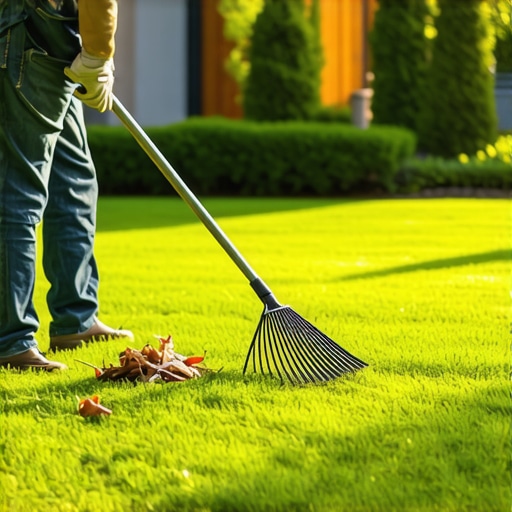
Ever spent a weekend battling with patchy grass, stubborn weeds, and a yard that just wouldn’t cooperate? I sure have. One spring, after a botched sod installation and a messy cleanup, I stared at my yard feeling defeated. It was a real eye-opener—the kind that makes you realize that a beautiful lawn isn’t just about planting grass; it’s about strategic planning and proper upkeep. If you’ve ever faced that frustrating moment of seeing your yard look worse after effort, you’re not alone. But here’s the thing: with the right techniques, you can turn your yard into a lush, envy-worthy space by 2025. Today, I’m going to share proven strategies for top sod install and yard cleanup that will make your lawn the talk of the neighborhood.
Why Cutting Corners Can Cost You More
When I started my journey, I thought skipping some preliminary steps would save time and money. Big mistake. I overlooked the importance of soil preparation and proper drainage—two essentials that experts emphasize for a thriving lawn. According to landscaping professionals, neglecting these basics can lead to patchy growth, weeds, and even disease. It’s like building a house on shaky ground; no matter how nice the roof looks, the foundation matters. So, before you plant that new sod, make sure your soil is healthy and well-draining. This sets the stage for success and reduces the need for constant maintenance down the line.
Have you ever rushed into sod installation without prepping your yard? That’s a mistake I made early on, and it taught me the hard way how vital proper groundwork is. Learn from my mistake, and you’ll save yourself the headache of redoing work later.
Beyond soil prep, a comprehensive yard cleanup is equally crucial. Removing debris, weeds, and dead grass creates a clean slate for your new sod and promotes healthy growth. Professional yard cleanup not only boosts curb appeal but also ensures that pests and diseases don’t take hold. Thinking about doing it yourself? I’d recommend checking out professional yard cleanup tips for guidance. Trust me, a tidy yard makes all the difference.
Next, I’ll walk you through the essential steps to ensure your sod installation and yard cleanup efforts lead to a vibrant, healthy lawn in 2025. Ready to transform your yard into the lush oasis you’ve always wanted? Let’s dive in.
Prepare Your Soil as if Building a Foundation
Think of soil prep like laying a sturdy foundation for a house. During my first attempt, I skipped this step and ended up with uneven patches and weeds sprouting through the cracks. To avoid repeating that mistake, loosen the soil to about 4-6 inches deep using a rototiller, then mix in compost or topsoil to enrich nutrient content. Rake the surface smooth and level, ensuring proper drainage. This creates a reliable base that supports healthy sod growth, reducing future issues and maintenance. For detailed soil preparation techniques, visit professional yard cleanup tips.
Clear the Deck Before You Lay the Green Carpet
Imagine trying to paint on a dirty wall—won’t look good and won’t last. I learned this the hard way when I left debris and weeds in my yard, which soon caused my new sod to lift and develop bald spots. Remove all rocks, sticks, and weeds, and mow the existing grass as short as possible. Use a rake or blower to clear the surface thoroughly. This clean slate ensures good contact between the soil and sod, promoting root establishment. For expert advice on yard cleanup, check professional yard cleanup strategies.
Lay the Sod Like a Pro
When I finally laid the sod, I worked in staggered rows, like laying bricks, to prevent seams from aligning. Unroll the sod and press down firmly, using a roller if available, to eliminate air pockets. Water it immediately, ensuring the soil beneath remains moist. Remember, the key is consistent moisture; I once overwatered and saw root rot develop, so monitor your watering closely. For detailed installation techniques, see effective sod installation tips.
Water Smart and Deep
In my experience, watering deeply but infrequently encourages deep root growth. Set your irrigation system to deliver about an inch of water per session, twice a day for the first two weeks. Use a rain gauge or small container to measure. Avoid shallow, frequent watering, which can lead to weak roots. Once established, gradually reduce frequency but increase the depth of watering for a resilient lawn. For irrigation design ideas, visit irrigation tips for a lush lawn.
Tackle Weeds and Debris Regularly
Weeds are like uninvited guests; they take over quickly if not controlled. Regularly inspect your yard and remove weeds by hand or with a weed puller, especially around the edges of your sod. Additionally, mow your lawn at the correct height—about 2-3 inches—to shade out weeds and promote healthy grass. Mulch beds and edges to prevent weed seed dispersal. Consistent cleanup and maintenance will keep your yard pristine and healthy. For comprehensive yard cleanup strategies, see yard cleanup tips.
Integrate Efficient Irrigation for Best Results
After establishing your sod, an effective irrigation system is vital. Consider drip or rotor sprinklers that deliver even coverage. Schedule watering during early morning hours to minimize evaporation. Adjust your system seasonally to ensure optimal moisture levels. Proper irrigation not only helps the sod root deeply but also conserves water. For more on irrigation system design, visit irrigation design tips.
Many homeowners believe that achieving a lush, healthy lawn is simply a matter of laying down some sod and watering regularly. However, there are several nuanced mistakes that even experienced gardeners often overlook. Let’s dig deeper into what most people get wrong about lawn installation and yard cleanup, and how these misconceptions can hinder your progress.
Why the Popular Myths About Quick Fixes Fail
One of the most widespread myths is that shortcuts during soil preparation or skipping the proper drainage setup will save time and money. In reality, these shortcuts often lead to costly rework. For instance, neglecting to loosen compacted soil or failing to enrich the ground with compost can cause uneven growth, patchiness, and weed invasion. According to soil scientists, healthy soil structure is foundational for root development and nutrient uptake, which directly impacts sod success. Proper soil prep isn’t just a step—it’s the backbone of a thriving lawn.
Beware of the Overwatering Trap
Many homeowners assume that frequent shallow watering is best, but this is a common mistake. Shallow watering encourages superficial roots, making your grass vulnerable to drought and disease. Instead, deep, infrequent watering promotes deep root growth, which creates a more resilient lawn. The key is to deliver about an inch of water per session and allow the soil to dry slightly between watering. Overwatering not only wastes water but can also lead to root rot and fungal issues. For advanced watering techniques, check out deep watering strategies.
How to Avoid the Weeds and Debris Pitfall
Another common mistake is underestimating the importance of yard cleanup. Leaving debris, weeds, and dead grass in place can sabotage your sod installation. These obstacles prevent proper contact between the soil and the new grass, leading to patchy growth and pest infestations. An often overlooked nuance is that weeds seed aggressively and can outcompete your new sod if not removed early. Regular inspections and thorough cleanup are essential. For expert-approved methods, explore yard cleanup tips.
What Advanced Gardeners Know About Soil and Water Balance
For those with more experience, understanding the soil’s pH balance and nutrient content can make a significant difference. Many assume that adding fertilizer alone will suffice, but soil tests often reveal deficiencies or imbalances that need correction for optimal sod growth. Additionally, integrating efficient irrigation systems that deliver uniform coverage prevents dry spots and overwatering. Properly designing your irrigation layout, based on expert advice, can save water and improve lawn health. Dive into irrigation system design to elevate your yard.
Have you ever fallen into this trap? Let me know in the comments. Remember, understanding these hidden nuances can transform your lawn from average to extraordinary, ensuring that your yard becomes the envy of the neighborhood in 2025.
Maintaining a lush, vibrant lawn requires more than just the initial installation and occasional watering. To keep your yard looking its best year-round, investing in the right tools and adopting a consistent maintenance routine is crucial. Over the years, I’ve refined my toolkit, focusing on durability, precision, and ease of use to ensure my lawn remains healthy and beautiful. Today, I’ll share the essential equipment I recommend and explain why they’re vital for ongoing yard care.
Invest in a Quality Lawn Aerator
Lawn aeration is often overlooked but plays a significant role in maintaining soil health. A reliable core aerator, like the **Agri-Fab 45-0299**, creates small holes that improve air, water, and nutrient penetration. I personally use this model because it’s durable, easy to operate, and effective at reducing soil compaction. Aeration should be part of your annual routine, especially if your soil tends to be dense or clay-heavy. Regular aeration promotes deeper root growth and enhances the overall resilience of your turf.
Choose the Right Soil Testing Kit
Understanding your soil’s pH and nutrient levels is foundational for long-term success. I recommend the **Luster Leaf 1601 Rapitest** soil test kit because it provides accurate readings and is user-friendly. By testing your soil periodically, you can tailor your fertilization and lime applications, preventing over- or under-fertilizing. This proactive approach saves money and ensures your grass gets exactly what it needs to thrive.
Upgrade to a Precision Sprinkler System
A well-designed irrigation system is key to consistent watering and avoiding common pitfalls like overwatering or dry spots. I use the **Hunter MP Rotator** sprinklers because they deliver even coverage and can be adjusted for different zones. Pairing these with a programmable timer allows me to automate watering, ensuring my lawn gets deep, infrequent watering sessions—ideal for root development. As technology advances, smart irrigation controllers are becoming more accessible, allowing remote adjustments and weather-based watering schedules. This trend is likely to grow, making smart systems the standard for efficient yard care.
Maintain Your Equipment Regularly
Even the best tools need upkeep. I schedule biannual sharpening of my mower blades to ensure clean cuts that promote healthy grass. Cleaning and lubricating my sprinkler heads and aerator prevent clogs and breakdowns. Investing in quality equipment and maintaining it properly extends its lifespan and keeps your yard care routine effective. Remember, a well-maintained tool is a powerful asset in your landscaping arsenal.
How do I keep my tools in top shape over time?
Regular cleaning after each use is essential. For example, rinsing mower blades and removing debris from sprinkler heads prevents buildup that can impair performance. Sharpen blades at least once a season to ensure precise cuts and healthy turf. Additionally, store your tools in a dry, organized space to prevent rust and damage. Setting a maintenance schedule—perhaps every three to six months—helps you stay proactive. As new technology emerges, I plan to adopt smart sensors and automation tools that monitor soil moisture and adjust watering automatically, paving the way for even more efficient yard management in the future.
If you haven’t already, try upgrading your sprinkler system with adjustable, zone-specific heads like the Hunter MP Rotator. It’s a game-changer for uniform watering and long-term lawn health. Remember, consistent maintenance and smart tools are your best allies in achieving a stunning yard in 2025 and beyond.
The Hardest Lesson I Learned About Lawn Success
One of my biggest realizations was that rushing soil preparation leads to patchy, unhealthy grass that’s difficult to fix later. Taking the time to loosen compacted soil and enrich it with compost made all the difference, creating a strong foundation for sod to thrive. This taught me that patience in this step saves time and money down the line.
What I Wish I Had Known About Weed Prevention
I used to think pulling weeds once was enough, but I learned that consistent, early intervention prevents weeds from seeding and overtaking my yard. Regular inspections and a good mulching strategy kept my lawn weed-free and healthier overall. Small, consistent efforts are key to long-term beauty.
The Surprising Power of Deep Watering
Overwatering was my mistake—shallow watering made roots superficial and weak. Deep, infrequent watering encouraged roots to grow deep into the soil, making my lawn more drought-resistant and lush. Using a rain gauge helped me measure exactly how much water my lawn needed, and now I water smarter, not harder.
Curated Tools for a Flawless Yard
My essential toolkit includes a **core aerator** like the Agri-Fab 45-0299, which improves soil health and root growth. I trust the **Luster Leaf 1601 Rapitest** soil test kit for accurate readings, helping me fine-tune my fertilizing schedule. A programmable **Hunter MP Rotator** sprinkler ensures even watering coverage, saving time and water. Regular maintenance of these tools prolongs their effectiveness and keeps my lawn looking perfect.
Your Yard’s Future Starts Today
Transforming your yard in 2025 isn’t just about quick fixes—it’s about strategic planning, patience, and consistent care. Every step you take now builds towards the lush, vibrant lawn you’ve dreamed of. Remember, even small improvements can lead to extraordinary results over time.