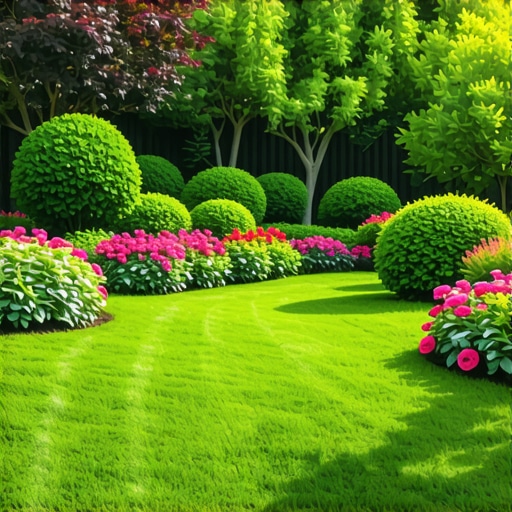
I remember the first time I tried to overhaul my yard. I was so eager to create that perfect outdoor oasis, but I quickly ran into problems—patchy grass, wilting plants, and a landscape that just didn’t feel right. It was frustrating, and honestly, I almost gave up. But then I had a lightbulb moment: I needed a strategic approach, not just random planting and watering. That realization changed everything.
Why Your Landscaping Efforts Might Be Falling Short and How to Fix It
In my experience, many homeowners get excited about transforming their yard but stumble because they don’t plan for the future. They overlook the importance of proper irrigation, soil health, or even seasonal cleanup. These overlooked details can turn your dream yard into a maintenance nightmare. But here’s the good news: with some expert tips and a little patience, you can achieve a lush, vibrant landscape by 2025.
Today, I’ll share proven strategies that helped me and countless others turn our yards into stunning outdoor spaces. Whether you’re dreaming of a perfect lawn, vibrant flower beds, or a mix of everything, these tips will set you on the right path. Ready to finally see your yard thrive? Let’s dive in.
Is Landscaping for a Lush Yard Worth the Effort and Cost?
Early on, I made the mistake of underestimating how much planning and effort goes into a truly lush landscape. I thought a little watering here and a few plants there would do the trick. Spoiler: it didn’t. Proper landscaping isn’t just about planting—it’s about creating a sustainable ecosystem. Investing in a good irrigation system, like the ideas discussed here, can make all the difference.
Research shows that a well-designed irrigation system can save up to 50% of water use while keeping your lawn healthy and green (source: American Water Works Association). That’s a win-win for your wallet and the environment.
If you’ve faced these issues, know you’re not alone. Many homeowners struggle with maintaining lush landscapes, especially with unpredictable weather patterns and busy schedules. But with the right strategies, your yard can become a thriving haven by 2025. Ready to learn the secrets? Let’s move forward to the foundational steps.
Start with a Solid Foundation: Soil Preparation
When I decided to overhaul my yard, I realized that healthy soil was the key to success. I removed weeds, loosened compacted earth, and enriched the ground with compost. This process acts like building a strong base for a house — without it, everything else struggles. Use a garden fork or tiller to aerate the soil, then mix in organic matter to boost nutrients and drainage. This step ensures your plants and grass roots can flourish, setting the stage for a vibrant landscape.
Choose the Right Plants for Your Climate
Picking native or well-adapted plants is crucial. I made the mistake of selecting exotic flowers that wilted in my climate, wasting time and money. Instead, I researched local flora that thrive naturally. This approach reduces maintenance and increases success. For example, if you live in a dry area, opt for drought-tolerant species like succulents or native grasses. Tailoring your plant choices to your environment guarantees a lush yard with less watering and fuss.
Implement Efficient Irrigation Systems
An effective irrigation system is like a well-oiled machine — it delivers water precisely where and when needed. I installed drip irrigation and adjustable sprinklers, which saved me from overwatering and reduced waste. For detailed design ideas, explore here. Think of it as giving your yard a smart hydration plan that adapts to weather changes, ensuring consistent moisture and healthy growth. Proper irrigation is the backbone of a thriving landscape, especially during dry spells.
Lay Down Fresh Sod or Seed Strategically
My experience with sod taught me that quality matters. I opted for premium sod and followed expert tips here. I prepared the ground meticulously, laid the sod in a brick pattern, and immediately watered thoroughly. This quick action prevents roots from drying out and promotes rapid establishment. Alternatively, seeding can be cost-effective, but it requires patience and consistent watering. Whichever you choose, proper preparation and timely watering are critical for a lush, green lawn.
Schedule Regular Maintenance and Seasonal Cleanups
Consistency is key. I set reminders for seasonal cleanup, pruning, and fertilizing. Regularly removing dead leaves and trimming encourages new growth and prevents disease. I also invested in a soil test to determine nutrient deficiencies, then tailored my fertilization schedule accordingly. Think of this as giving your yard a health check-up — it keeps your plants resilient and vibrant. For detailed cleanup tips, visit here.
Monitor and Adjust as Needed
Finally, I learned to observe my yard’s response to changes. If certain plants struggled, I replaced them with better-suited varieties. If patches of grass turned brown, I increased watering or adjusted the mowing height. This adaptive approach resembles tuning an instrument — small tweaks lead to harmony. Regular monitoring ensures your landscape remains healthy and beautiful, bringing you closer to that lush yard you envision for 2025.
Many homeowners fall prey to misconceptions about landscaping that can hinder their progress and lead to costly mistakes. Let’s dig deeper into some of the most pervasive myths and uncover the hidden nuances that can help you achieve a truly lush yard.
Why Does Everyone Think More Water Means a Greener Lawn?
It’s a common belief that watering excessively will make your grass greener faster. In reality, overwatering can drown roots, promote fungal diseases, and waste resources. The key is understanding your soil’s absorption rate and adjusting irrigation accordingly. Installing an effective irrigation system that adapts to weather conditions can prevent common mistakes and save up to 50% of water. Remember, quality over quantity is the rule for sustainable landscaping.
Myth: Native Plants Are Always the Best Choice
While native plants generally thrive better and require less maintenance, they aren’t a one-size-fits-all solution. Factors such as soil type, sunlight, and microclimates can influence plant success. Sometimes, carefully selected non-native plants can provide unique aesthetic appeal or better resistance to pests. The secret is conducting thorough site analysis before making your plant choices. For detailed guidance, consider exploring expert tips on selecting the right plants.
What Could Be the Biggest Trap in Lawn Renovation?
The biggest mistake I see is neglecting soil health before planting or seeding. Many think that simply laying sod or sowing seeds will result in a lush lawn, but without proper preparation, roots struggle to establish. Aerating soil and enriching it with organic matter can dramatically improve water retention and nutrient availability. Skipping this step can lead to patchy growth and increased weed invasion. For a more resilient lawn, check out professional sod installation advice.
Have you ever fallen into this trap? Let me know in the comments. Recognizing these misconceptions is the first step toward transforming your yard into a thriving landscape.
Keeping your landscaping system in top shape requires the right tools and consistent maintenance routines. Over the years, I’ve tested various equipment and software to streamline the process and ensure long-term success. Today, I’ll share the essentials that have made a real difference in my yard care efforts.
Invest in a Quality Soil Tester for Ongoing Health Checks
One of my most valuable tools is a reliable soil testing kit. I use the Rapitest Soil Test Kit because it provides quick, accurate readings of pH, nitrogen, phosphorus, and potassium levels. Regular testing — at least twice a year — helps me tailor my fertilization schedule and avoid deficiencies that can weaken my landscape. As soil conditions change with seasons and weather, this proactive approach keeps my plants healthy and vibrant. Predictably, the trend in soil health monitoring is moving toward digital sensors that sync with smartphone apps, providing continuous data and alerts for optimal yard management.
Automated Irrigation Systems Save Water and Time
Proper irrigation is the backbone of any lush yard. I personally installed a smart drip irrigation system that adapts to weather forecasts and soil moisture levels. This system automatically adjusts watering schedules, preventing over- or under-watering. The benefit is twofold: healthier plants and significant water savings. In the future, I see these systems becoming even more intelligent, integrating AI to predict watering needs with greater precision, further reducing waste and ensuring your yard stays lush year-round.
Power Tools for Efficient Lawn and Bed Maintenance
Maintaining your yard’s structure requires a suite of dependable power tools. I rely on a high-quality cordless string trimmer because it offers mobility and ease of use without the hassle of cords. For edging and trimming, I prefer a battery-powered edge trimmer that cuts cleanly and quickly. To handle larger cleanup tasks, a leaf blower with variable speed controls helps me clear debris efficiently, especially during the fall. As technology advances, expect future tools to feature longer battery lives, quieter operation, and smarter sensors that detect when maintenance is needed.
Digital Landscape Management Software Simplifies Long-Term Planning
Keeping track of maintenance schedules, plant care, and seasonal tasks can become overwhelming. I recommend using landscape management software like Gardenize or My Garden. These apps allow you to organize plant inventories, set reminders for pruning, fertilizing, and watering, and even plan seasonal upgrades. As cloud-based services become more sophisticated, I predict AI-driven landscape planning tools that analyze your yard’s specific conditions and suggest personalized improvements, making yard care more intuitive and less time-consuming.
How Do I Maintain My Landscaping Tools and Systems Over Time?
Regular maintenance is key to ensuring your tools and systems perform optimally. For power tools, I clean blades and filters after each use, lubricate moving parts, and check batteries for wear. Irrigation systems benefit from annual inspections to repair leaks and clean filters. Software updates should be installed promptly to benefit from new features and security patches. Creating a seasonal maintenance checklist — perhaps linked to your yard’s calendar — helps me stay on top of all tasks and extend the lifespan of my equipment. Remember, investing time in upkeep now saves money and effort in the long run, keeping your landscape thriving well into 2025 and beyond.
Try implementing a soil sensor or upgrading to a smart irrigation controller this season — these small steps can yield huge benefits for your yard’s health. Staying proactive and using the right tools will ensure your landscape remains lush, healthy, and beautiful for years to come.
3 Lessons That Changed How I Approach Landscaping
- Soil is Everything: I used to think planting was enough, but I learned that healthy soil is the foundation of a lush yard. Investing in organic matter and testing soil pH regularly made a huge difference.
- Native Plants Save Time and Money: I was tempted by exotic flowers, but native plants adapted better and required less fuss, making my landscape more sustainable and vibrant.
- Smart Irrigation is a Game-Changer: Manual watering was tedious, but installing an effective irrigation system that adjusts to weather helped me conserve water and keep my yard consistently lush.
My Go-To Tools and Resources for a Healthy Garden
- Rapitest Soil Test Kit: Trusted for quick, accurate readings that guide my fertilization and soil improvements.
- Smart Drip Irrigation Systems: These systems adapt to weather, saving water and ensuring healthy growth — I recommend here.
- Landscape Management Software: Apps like Gardenize help me organize tasks and keep track of plant care, making yard maintenance less overwhelming.
- Power Tools: Cordless trimmers and leaf blowers improve efficiency, especially with the latest long-lasting batteries and smart sensors.
Your Next Step in Creating a Lush Landscape
Now is the perfect time to start transforming your yard. With the right mindset, tools, and expert tips, your outdoor space can become a vibrant oasis by 2025. Remember, small consistent actions yield the biggest results—your lush yard is within reach!
What’s the first thing you plan to improve in your landscape? Let me know below!