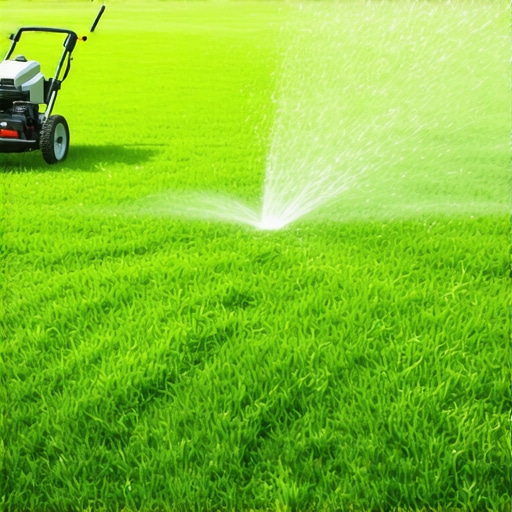
I remember the moment vividly. It was last spring, and I had just laid down new sod in my backyard, confident I had followed all the expert tips I’d read about. Yet, within weeks, patches started turning brown, weeds crept in, and the lawn just never looked as vibrant as I’d hoped. I realized that my biggest mistake wasn’t just in how I installed the sod—it was in neglecting an essential piece of the puzzle: proper irrigation. That lightbulb moment changed everything for me. Today, I want to share how you can avoid the same pitfalls and create a picture-perfect lawn that will impress in 2025 and beyond.
Why Proper Irrigation and Sod Installation Matter for Your 2025 Lawn
Achieving that lush, green yard isn’t just about laying sod or watering sporadically. It’s about combining expert-level sod install techniques with a tailored irrigation strategy that promotes healthy root growth and resilience. When I first started, I underestimated how vital consistent, correctly timed watering was. Early on, I made the mistake of watering deeply once a day—thinking more water equals better growth. Turns out, that’s a quick way to invite disease and weak roots. According to the University of California Cooperative Extension, proper watering practices are crucial for establishing a durable, drought-resistant lawn (learn more here).
If you’re tired of patchy, dull grass and want a lawn that stands out in 2025, mastering these skills is non-negotiable. And trust me, it’s easier than you think when you know the right steps. So, let’s dive into how to get your sod install and irrigation strategy perfectly aligned for a vibrant, healthy yard.
Have you faced struggles with uneven growth or watering woes?
Prepare Your Soil for Lasting Success
Before laying down new sod, clear the area thoroughly. Remove all weeds, debris, and old grass using a rake or a garden hoe. Loosen the soil to a depth of at least 4 inches with a garden tiller or a sturdy rake. This creates a hospitable environment for roots to establish quickly. I once skipped this step, thinking a quick rake was enough, but the sod struggled to root, leading to patchy areas. Proper soil prep is like laying a solid foundation for a house—it determines the entire project’s success.
Perfect Your Sod Installation Technique
Lay sod in a brick-like pattern, staggering joints to prevent gaps. Use a sharp knife to cut sod to fit irregular spots, ensuring tight edges. Gently press each piece into the soil with a roller or your feet to eliminate air pockets. I recall a weekend where I meticulously fit every piece, and the uniformity made a big difference in growth. For a seamless look and strong root contact, avoid overlapping edges or leaving gaps.
Water Deeply and Consistently
Right after installing, water the entire area thoroughly—think of it as giving the sod a big drink to settle in. Maintain a deep watering schedule, aiming for about 1 to 1.5 inches of water twice a week. Use a rain gauge or a small container to measure. Early on, I experimented with watering daily but found that deep, less frequent watering encouraged roots to grow downward, making the lawn more drought-resistant. This strategy aligns with expert advice on irrigation system design.
Optimize Your Irrigation System
Implement a smart sprinkler system or oscillating sprinklers to ensure even coverage. Set timers to water in the early morning, ideally between 4 and 8 am, when evaporation is minimal. Avoid watering during the heat of the day or at night to prevent disease. I faced a challenge with uneven watering until I installed a zone-specific system, which made a huge difference in consistency. Think of your irrigation setup as the backbone of lawn health—it needs to be reliable and precisely targeted.
Adjust Based on Weather and Growth
Monitor your lawn regularly for signs of over or under-watering. Use a screwdriver to check soil moisture—if it penetrates easily to about 6 inches, your watering schedule is on point. During hot spells, increase watering frequency; during rain, cut back. I learned this the hard way when neglecting to adapt, resulting in brown patches. Keeping a gardening journal or using weather apps helps anticipate changes and plan irrigation accordingly.
Maintain Proper Lawn Care Practices
Alongside irrigation, mow at a height of 2.5 to 3 inches, and avoid mowing when the grass is wet. Aerate annually to relieve soil compaction, which improves water absorption. Apply fertilizer tailored for new sod, focusing on phosphorus-rich formulas for root growth. These practices complement your irrigation efforts, creating a resilient, lush lawn that will thrive into 2025 and beyond.
Many DIY enthusiasts and even some seasoned landscapers fall into traps when it comes to sod installation and irrigation. A prevalent myth is that watering daily, regardless of conditions, will speed up root establishment. In reality, this approach can lead to shallow root growth, making your lawn more vulnerable to drought and disease. Experts emphasize that deep, infrequent watering encourages roots to grow downward, creating a resilient turf (learn more here).
Another common misconception is that more fertilizer always results in faster greening. However, over-fertilizing can harm the soil and promote disease. A balanced, phosphorus-rich fertilizer tailored for new sod is preferred to promote healthy root development. Remember, quality over quantity matters.
Many believe that once the sod is laid, it requires minimal care. But without proper irrigation adjustments in response to weather changes, the lawn can become stressed. For example, skipping adjustments during a heatwave or heavy rain can cause uneven growth or disease. Regular soil moisture checks and adapting your watering schedule are crucial, especially in the transition period.
For advanced landscapers, understanding the nuances of irrigation system design can make a significant difference. A common mistake is relying solely on traditional sprinklers that don’t provide even coverage, leading to dry patches. Implementing zone-specific, smart irrigation systems can optimize water use and promote uniform growth (see expert ideas here).
Finally, there’s a myth that mowing height is insignificant. In truth, mowing too short can weaken grass, especially during the establishment phase. Maintaining a height of 2.5 to 3 inches encourages deeper roots and shades out weeds, making your lawn more durable over time.
Have you ever fallen into this trap? Let me know in the comments and share your experiences! Mastering these nuances can turn your lawn into a lush, vibrant space that stands out in 2025 and beyond.
Keeping Your Lawn in Top Shape with the Right Tools
Maintaining a lush, vibrant lawn over time requires more than just knowledge; it demands reliable equipment and smart techniques. Personally, I swear by a high-quality oscillating sprinkler system, like the Rain Bird ESP-TM2, because it offers precise control, even watering, and can be programmed for different zones. Using a smart irrigation controller, such as the Rachio 3, allows me to automate watering schedules based on weather data, saving water and promoting healthier grass. These tools ensure my lawn gets the right amount of water consistently, which is critical for long-term success.
Another essential tool in my arsenal is a soil moisture meter. I rely on the XLUX T10 to regularly check soil hydration levels, preventing overwatering or drought stress. This simple device helps me fine-tune my irrigation, making sure every inch of soil receives optimal moisture. As the trend in landscaping shifts toward data-driven decisions, integrating these tools becomes increasingly vital for achieving a resilient yard that withstands climate fluctuations.
How do I maintain my irrigation system over time?
Regular maintenance of your irrigation system is key to long-term performance. I recommend inspecting sprinkler heads for clogs or damage monthly, especially after harsh weather. Clearing debris and adjusting spray patterns ensures even coverage and prevents water waste. Additionally, scheduling annual professional check-ups can identify leaks or faulty valves early, saving you money and headaches down the line. With advancements in smart tech, future systems will likely incorporate AI-driven diagnostics, making maintenance even more straightforward and predictive.
For soil health, aeration is a game-changer. I perform core aeration every fall, which improves water infiltration and nutrient absorption. Pairing this with a topdressing of compost helps build a robust soil structure, nurturing deep roots. Using a dethatcher tool annually also keeps thatch buildup in check, fostering a healthier root environment. These long-term practices, combined with your irrigation setup, create a cycle of ongoing lawn improvement that pays dividends year after year.
Investing in quality tools like soil testers and programmable controllers might seem costly initially, but they significantly reduce guesswork and improve your lawn’s resilience. As technology advances, I expect future tools will offer even more automation, AI-based monitoring, and real-time adjustments, making lawn care more efficient and less time-consuming. Experimenting with these innovations now puts you ahead in the game, ensuring your yard remains the envy of the neighborhood well into 2025 and beyond.
Ready to elevate your lawn care? Try upgrading your irrigation controller or adding a soil moisture sensor today. These small investments can make a big difference in your yard’s health and beauty. For more expert tips on maintaining your landscaping tools and strategies, check out top irrigation design ideas and start building your ideal landscape today.
After my initial struggles with patchy grass and uneven growth, I discovered that the most valuable lessons came from my mistakes. One of the hardest lessons I learned was that rushing the soil preparation process can sabotage your entire project. Properly loosening and enriching your soil creates a foundation that supports healthy root development and resilience, making all the difference in the long run.
I also realized that the myth of daily watering speeding up establishment is just that—a myth. Deep, infrequent watering encourages roots to grow downward, resulting in a drought-resistant lawn that can thrive with less water. It’s a simple shift, but it transformed my approach to irrigation and my yard’s health.
Lastly, I learned to value the importance of zone-specific, smart irrigation systems. These tools not only save water but also ensure even coverage, preventing those dreaded dry patches. Investing in quality equipment has paid off, turning my lawn into a lush, green oasis.
My Essential Toolkit for a Perfect Lawn
For me, the Rain Bird ESP-TM2 sprinkler system is a game-changer because of its precise control and durability. Pairing it with a smart controller like the Rachio 3 allows me to automate watering based on weather forecasts, reducing waste and stress. Soil moisture meters such as the XLUX T10 help me monitor hydration levels accurately, ensuring I don’t over- or under-water. These tools are the backbone of my successful lawn care routine and are worth every penny.
Keep Learning and Innovate
As technology advances, I believe future tools will incorporate AI diagnostics and real-time data analysis, making lawn care even more efficient. Regular maintenance of your irrigation system, like inspecting sprinkler heads and adjusting spray patterns, is crucial to keep everything running smoothly. Combining these practices with annual aeration and soil amendments creates a cycle of continuous improvement that results in a vibrant yard year after year.
Your Turn to Cultivate Success
Remember, creating a lush lawn in 2025 is within your reach when you master the right techniques and tools. It’s about consistent effort, smart investments, and a willingness to learn from each season. Your dream yard is just a few adjustments away—start today and watch it flourish!
What’s been your biggest challenge with sod installation or irrigation? Let me know below, and let’s grow our yards together!