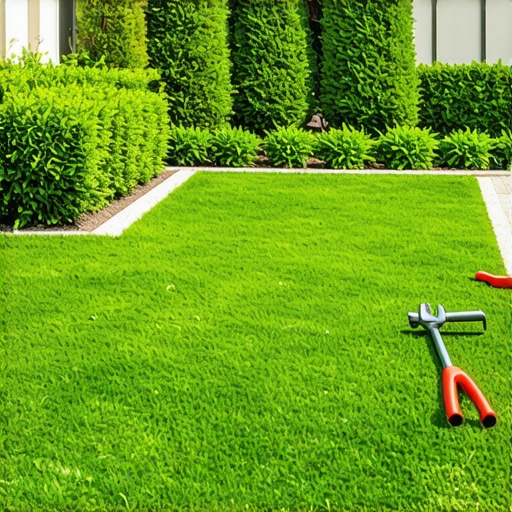
I remember the first time I tried laying down sod in my backyard. It was a hot summer day, and I was eager to transform my patchy, dull lawn into a lush paradise. But after hours of work, I was left with uneven patches and a lot of frustration. It was a lightbulb moment for me—realizing that proper planning and technique are everything in creating a stunning yard. If you’ve ever faced a similar struggle, you know how discouraging it can be to invest time and money only to end up with a less-than-perfect lawn.
Why Your Yard Deserves a Fresh Start in 2025
In 2025, there’s no reason your outdoor space can’t be the envy of the neighborhood. A healthy, vibrant lawn not only boosts curb appeal but also provides a peaceful retreat right outside your door. With the right landscaping tips and sod installation techniques, you can avoid common pitfalls and achieve that picture-perfect yard you’ve always wanted. But here’s the kicker—without understanding the essentials, it’s easy to make mistakes that cost time and money. Trust me, I’ve been there. One early mistake I made was skipping the yard cleanup before laying sod, which led to weed growth and uneven surfaces. You can learn from my error by checking out this comprehensive guide on yard cleanup tips for 2025.
Is Sod Installation Really Worth the Hype
Perhaps you’re skeptical about whether investing in sod is worth it. I get it. I used to think that seeding was enough, but after a few failed attempts, I realized that quality sod provides instant gratification and a better chance at long-term success. Early on, I ignored the importance of preparing the soil properly, which was a mistake that set me back months. Now, I know that a successful sod project hinges on proper soil prep, watering, and maintenance. For expert advice on how to do it right, definitely check out expert sod install tips.
So, if you’re ready to ditch the guesswork and create a lush, green yard in 2025, stay tuned. I’ll walk you through the practical steps, from soil prep to irrigation, that will make your landscape dreams a reality. Let’s get started!
,
Prepare Your Soil Like a Pro
Think of your soil as the foundation of a house; if it’s shaky or full of weeds, your entire lawn suffers. I remember once skipping this step and ending up with uneven patches and invasive weeds that choked my new sod. To avoid this, remove all debris, weeds, and old grass. Loosen the topsoil with a rake or tiller to a depth of at least 4 inches. Mix in compost or topsoil to improve drainage and nutrient content, akin to giving your soil a vitamin shot. For expert guidance, check out yard cleanup tips.
Level and Compact the Ground
Imagine building a sandcastle on uneven ground—your castle will collapse. Similarly, a level surface ensures even water distribution and root growth. Use a long board or screed to smooth out the soil, removing high spots and filling low areas. Then, lightly compact the soil with a hand tamper or roller. This compaction prevents settling later, which can create bumps or dips. I learned this the hard way when I skipped this step and saw my sod sink unevenly after rain. Proper compaction sets your yard up for success. For more detailed techniques, visit pro sod installation tips.
Lay the Sod with Precision
Imagine laying bricks in a running bond pattern; staggering seams prevents cracks and gaps. Similarly, lay sod in a brick pattern, starting from one corner and working your way across. Unroll each piece tightly against the previous one without overlaps or gaps. As I did in my first attempt, I found that overlapping edges or leaving gaps led to uneven growth and weed invasion. Use a sharp knife to trim sod to fit tricky corners or edges. Once laid, press the sod firmly into the soil with your feet or a roller. This ensures good contact, much like pressing down on a cake to make it settle smoothly. For expert techniques, see best sod install tips.
Water Thoroughly and Consistently
Think of watering as giving your lawn a refreshing drink after a long day. Immediately after laying sod, water deeply to saturate the entire root zone—about an inch of water. Maintain consistent moisture, especially during the first two weeks, to help roots establish. I learned this when I neglected regular watering during a hot spell, and my sod turned brown. Use a sprinkler or irrigation system to ensure even coverage. For optimal watering strategies, check irrigation tips.
Implement a Smart Maintenance Routine
Think of your lawn as a pet—it needs regular care to thrive. Mow at the right height, typically 2.5 to 3 inches, to promote healthy growth and shade out weeds. Fertilize every 6-8 weeks with a balanced, slow-release fertilizer. Aerate annually to alleviate soil compaction. Keep an eye out for pests and weeds, removing them promptly. I once ignored pest signs and saw my lawn deteriorate quickly; now I catch issues early and save time and effort. For comprehensive maintenance ideas, visit yard maintenance tips.
Optimize Your Irrigation System
Proper irrigation is the backbone of a lush lawn. Consider installing a timer-controlled sprinkler system with zones tailored to your yard’s shape. Adjust the system seasonally to prevent overwatering or underwatering. I upgraded my system last year using top irrigation strategies and saw remarkable improvements in grass health. Remember, consistent watering fosters deep roots, making your lawn drought-resistant and vibrant. For detailed system design, see irrigation design tips.
Many homeowners believe that the biggest mistake in sod installation is skipping the soil prep or rushing the laying process. While these are important, there’s a more subtle yet impactful misconception that often goes unnoticed: the idea that more watering always equals better results. In reality, overwatering can lead to root rot, fungal diseases, and a weak lawn that struggles to establish itself. According to turf management experts, watering should be done deeply but infrequently, allowing the soil to dry slightly between sessions. This encourages deep root growth and drought resistance. For an in-depth look at watering techniques, check out top irrigation tips.
Investing in the Right Equipment Keeps Your Lawn Healthy
Maintaining a lush sod lawn requires more than just a watering can; it involves using specialized tools that promote healthy root growth and prevent common problems. One tool I personally swear by is a high-quality lawn aerator. Aeration helps alleviate soil compaction, allowing nutrients, water, and air to reach the roots effectively. I use a spike aerator for small patches and a core aerator for larger areas, which I find significantly improves lawn resilience and reduces thatch buildup. Regular aeration, especially in the spring and fall, ensures your sod remains vigorous and resistant to pests and diseases. For detailed guidance, check out yard cleanup tips.
Another essential tool is a precision soil pH tester. Sod thrives within specific pH ranges, usually between 6.0 and 7.0. I personally use a digital soil tester because it provides quick, accurate readings, helping me adjust soil amendments accordingly. Keeping the soil pH balanced ensures optimal nutrient uptake, which is critical for long-term lawn health. Regular testing, at least twice a year, helps catch imbalances early and prevents issues like nutrient deficiencies or toxicity. As soil health is the backbone of a vibrant lawn, investing in the right testing equipment is well worth it.
Smart Maintenance Practices for Long-Term Success
Maintaining your sod lawn over time means adopting smart, consistent practices. I recommend setting up a seasonal fertilization schedule using a slow-release, balanced fertilizer. This approach feeds your lawn steadily, reducing the risk of nutrient runoff and promoting deep root development. Additionally, mowing height plays a crucial role; keeping the mower blades sharp and mowing at 2.5 to 3 inches encourages grass to grow thicker and shades out weeds. Aeration and overseeding are also game-changers—these practices repair thin patches and introduce new, resilient grass varieties. To stay ahead of pests and weeds, I use a combination of organic and targeted chemical treatments, always following environmental guidelines. For more detailed strategies, visit yard maintenance tips.
How do I maintain my sod lawn over time?
The key to long-term sod health is consistency and monitoring. Regularly inspect your lawn for signs of pests, diseases, or uneven growth. Implementing efficient watering systems, such as a smart irrigation controller, ensures your lawn receives adequate moisture without overwatering. These systems can be programmed to water at optimal times, saving water and preventing fungal issues. Additionally, I recommend annual soil testing to adjust pH levels and nutrient inputs as needed. Remember, a thriving sod lawn is a result of proactive care, not just reactive fixes. For advanced tips on irrigation, see top irrigation strategies.
Finally, staying updated on new tools and technologies is crucial as landscaping trends evolve. In the future, I believe automation and AI-driven lawn management will become standard, offering tailored advice based on real-time data. For now, start with these proven tools and routines—your future self will thank you for the lush, resilient yard.
What I Wish I Knew Before Laying My First Sod
– The biggest mistake I made was rushing the soil preparation. Taking the time to properly loosen and enrich the soil made all the difference in how my sod took root and thrived. Now I see it as the foundation of everything.
– I used to think watering more was better, but I learned that deep, infrequent watering encourages stronger roots and prevents fungal issues. This insight saved me from overwatering and wasting water.
– Ignoring soil pH was a costly oversight. Regular testing and amendments keep my lawn vibrant and healthy, proving that soil health is the backbone of a lush yard.
– Skipping lawn aeration led to compacted soil and patchy growth. Incorporating aeration into my routine revitalized my grass and reduced disease.
– I underestimated the power of quality tools. Investing in a good soil tester, aerator, and proper sod handling equipment made my project smoother and results better.
My Arsenal of Tools and Resources for a Vibrant Lawn
– Expert yard cleanup tips have been invaluable in preparing my space, removing weeds and debris for optimal sod laying.
– Top irrigation strategies help me automate watering and avoid common pitfalls like overwatering or dry patches.
– Complete yard cleanup guides ensure my yard is always ready for the next step, keeping it healthy and attractive.
– Best sod installation tips streamline my process and guarantee professional results every time.
Seize the Moment and Cultivate Your Dream Yard
Creating a lush, resilient yard in 2025 is within your reach. With the right knowledge, tools, and attitude, you can turn your outdoor space into a personal paradise. Remember, the secret is in the details—soil prep, watering, and ongoing maintenance are your best friends in this journey. So why wait? Your perfect lawn is just a few smart steps away. Dive into these expert tips and start transforming your yard today—your future self will thank you for it.