
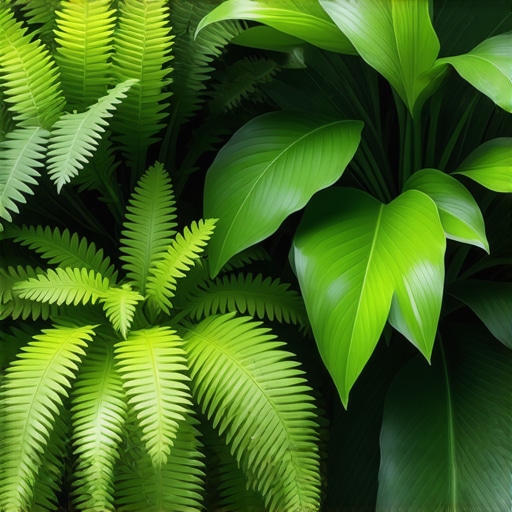
Why Shady Side Yard Landscaping Requires Engineering Before Aesthetics
Shady side yard landscaping success depends on managing low photosynthetic active radiation (PAR) levels and mitigating high humidity in stagnant air corridors. Most homeowners fail because they prioritize plant color over soil drainage and root respiration requirements. A side yard is more than a dark path; it is a micro-climate where evapotranspiration rates are significantly lower than in open lawn areas. I always drill into my new crew members: if you don’t fix the soil grading first, every plant you put in the ground is just expensive compost. I have seen too many rookies drop $5,000 on high-end perennials only to watch them succumb to Pythium root rot within six months because they ignored the 2-degree slope needed to move water away from the foundation. We don’t just dig holes; we create biological life-support systems. If the soil is compacted from years of foot traffic or construction equipment, your plants will suffocate. Oxygen is just as critical as nitrogen in a shade garden.
“A retaining wall doesn’t fail because of the stone; it fails because of the water trapped behind it.” – Hardscape Engineering Axiom
How much light does a shady side yard actually get?
Measuring light in foot-candles or micromoles per square meter is the only way to accurately assess a shady side yard for plant viability. Most homeowners categorize shade as ‘full’ or ‘part,’ but professional landscaping requires knowing the difference between dappled sunlight and deep shade caused by structural overhangs. Deep shade typically offers less than 200 foot-candles of light, which is the light compensation point for many common species. Below this level, the plant cannot produce enough energy via photosynthesis to offset its own metabolic needs. It will literally eat itself to death.
The Ground-Up Build: Soil Physics and Grading
Before selecting a single hosta or fern, we must address the bulk density of the soil. Side yards are notorious for being the most compacted areas of a property due to equipment access during original construction. Compacted soil lacks macropores, which are essential for water infiltration and gas exchange. If you are planning a sod install in these areas, standard fescue or St. Augustine will likely fail due to lack of light and poor drainage. We use core aeration or deep tilling with organic matter to break up the subsoil.
“Soil compaction reduces the number of large pores, which limits oxygen movement to the roots and prevents carbon dioxide from escaping.” – Penn State Agricultural Extension
How do I test the drainage in a shady side yard?
To test soil drainage in a side yard, dig a hole 12 inches deep, fill it with water, and monitor the percolation rate. If the water is still standing after four hours, you have a drainage crisis that no plant can solve without French drains or a yard cleanup that involves regrading the site. Poor drainage in shade leads to anaerobic conditions. In these environments, beneficial microbes die off, and pathogens like Phytophthora thrive. We often install irrigation systems specifically calibrated for shade zones, using low-flow emitters to prevent oversaturation. Over-watering is the primary killer of low-light gardens.
High-Performance Plant Selections for Shady Corridors
Selecting plants for a shady side yard requires understanding the USDA Hardiness Zones and the specific phenology of shade-tolerant species. We don’t look for ‘pretty’—we look for plants with high chlorophyll density and large leaf surface areas to maximize light capture.
| Plant Species | Light Requirement (Foot-candles) | Soil Moisture Pref. | Root Architecture |
|---|---|---|---|
| Hosta sieboldiana | 150 – 300 | Moderate | Fleshy/Rhizomatous |
| Dryopteris erythrosora (Autumn Fern) | 100 – 250 | High/Consistent | Fibrous |
| Heuchera (Coral Bells) | 250 – 500 | Low/Well-drained | Shallow Crown |
| Carex pensylvanica (Sedge) | 200 – 400 | Variable | Stoloniferous |
What is the best ground cover for a shady side yard with foot traffic?
Carex pensylvanica or Pennsylvania Sedge is the superior choice for shady corridors where a traditional sod install would fail. It mimics the look of grass but thrives in low-light conditions and requires minimal yard cleanup compared to broadleaf species. Sedge is a true workhorse in landscaping, providing structural stability to the soil through its dense, stoloniferous growth habit. It is more resilient to the occasional foot traffic than delicate ferns or hostas.
The Mechanical Setup: Irrigation and Micro-Climate Management
Irrigation in a shade garden is a delicate engineering balance. Because the sun doesn’t hit the soil surface directly, evaporation rates are nearly non-existent. If your irrigation clock is set to the same schedule as your front lawn, you will drown your shade garden. We utilize smart controllers with soil moisture sensors buried 4 inches deep to ensure we only apply water when the matric potential of the soil drops below a specific threshold. This prevents the crown rot often seen in Heuchera and Astilbe. Furthermore, air circulation is a major concern. Side yards often act as wind-less boxes. We prune nearby canopy trees to allow for ‘laminar flow’ of air, which reduces the incidence of powdery mildew and other fungal pathogens. Don’t skip this. A stagnant garden is a dying garden.
Strategic Yard Cleanup and Nutrient Cycling
In a shady side yard, the yard cleanup process must be precise. While we want to leave some leaf litter for nutrient cycling, an excessive build-up of oak or maple leaves can smother the crowns of small perennials and harbor slugs. We recommend a fine-shredded hardwood mulch applied no deeper than 2 inches. Never pile mulch against the stems of your plants—this is the ‘mulch volcano’ mistake that kills more trees and shrubs than drought ever will. The root flare must remain exposed to the air to facilitate gas exchange. For nutrients, avoid high-nitrogen synthetic fertilizers. They force rapid, ‘leggy’ growth that is structurally weak and attractive to pests like aphids. Instead, use a slow-release organic fertilizer with a balanced NPK ratio (like 4-4-4) to support steady, robust development.
Shade Garden Installation Checklist
- Grade Verification: Ensure a minimum 2% slope away from any residential structures.
- Soil Remediation: Incorporate 3 inches of composted organic matter to a depth of 8 inches.
- Drainage Check: Install French drains or catch basins if the percolation rate is less than 1 inch per hour.
- Plant Spacing: Space plants based on their 5-year mature width to ensure air circulation.
- Irrigation Calibration: Set shade zones to 50% of the duration of sun zones.
- Mulch Application: Use 2 inches of aged mulch, keeping it 3 inches away from plant crowns.
Landscape engineering in shade isn’t about fighting nature; it’s about respecting the physics of the site. When you account for hydrostatic pressure, bulk density, and light compensation points, you create a garden that lasts decades rather than weeks. Don’t be a hack. Do the math, fix the dirt, and then—and only then—put the plants in the ground.