Have you ever stood in your yard on a scorching summer day, watching patches of grass wilt and turn brown, feeling utterly helpless? That was me a few seasons ago. I realized I was making costly mistakes with my irrigation system, leading to wasted water and an uneven, unhealthy lawn. It was a lightbulb moment—if I wanted a lush, green yard in 2025, I had to rethink my entire approach to expert lawn care and irrigation system design. Today, I’m here to share how I turned that nightmare into a thriving oasis, and how you can do the same.
Why Proper Irrigation Can Make or Break Your Lawn in 2025
As I dove into lawn care, I learned that irrigation isn’t just about watering—it’s a critical component of a healthy, vibrant yard. According to a study from the EPA, inefficient irrigation can waste up to 50% of the water used, which is both costly and environmentally irresponsible. Yet, many homeowners still rely on outdated sprinklers or manual watering, leading to dry patches or overwatering. The key is a well-designed irrigation system tailored to your yard’s unique needs.
Is Overhauling Your Irrigation System Really Worth the Effort?
Early on, I made the mistake of sticking with a generic sprinkler setup, thinking it would do the job. Spoiler alert: it didn’t. I wasted water, my lawn looked patchy, and I spent more time fixing problems than enjoying my outdoor space. It became clear that investing in a professional, best irrigation system design pays off in the long run. Not only does it save water and money, but it also ensures your lawn gets just the right amount of moisture, no matter the weather.
If this sounds familiar, don’t worry. I’ll walk you through the essential steps to create an irrigation plan that works for your yard—one that’s efficient, sustainable, and keeps your grass green and healthy all year round. Ready to transform your lawn? Let’s get started with understanding the basics of expert irrigation design and why it’s a game-changer for your 2025 landscape.
},
Start with a Precise Soil and Lawn Assessment
Before diving into irrigation setup, evaluate your soil type and lawn needs. Use a soil test kit to determine pH and nutrient levels; this guides watering frequency and fertilizer use. I once skipped this step and overwatered my lawn, leading to poor grass health. Conducting a soil test helped me tailor my irrigation plan for optimal results.
Map Your Yard and Identify Watering Zones
Walk your property and divide it into zones based on sun exposure, plant types, and slope. Use spray heads for small areas and rotors for larger zones. I drew a detailed map, marking each zone, which made installing the system much smoother. This step ensures uniform watering and prevents dry patches.
Select the Right Irrigation Equipment
Choose high-quality sprinklers and controllers suited to each zone. For my backyard, I opted for smart controllers that adjust watering based on weather forecasts, reducing waste. Check out best irrigation system design tips for guidance on selecting efficient components.
Design Efficient Watering Patterns
Set your sprinklers to overlap slightly, avoiding dry spots. Use adjustable nozzles to control spray radius. During my installation, I tested each zone with a temporary setup, fine-tuning angles and distances to maximize coverage. Proper pattern design conserves water and ensures healthy grass growth.
Implement Smart Controls and Timers
Connect your system to a weather-based controller. I installed a smart timer linked to local weather data, which automatically adjusts watering times. This prevents overwatering during rain and under-watering in drought conditions, saving water and money.
Perform Regular Maintenance and Adjustments
Inspect sprinklers quarterly for clogs or damage. Adjust spray patterns seasonally; I increased watering duration during peak summer and reduced in spring. Regular upkeep maintains system efficiency and promotes a lush, healthy lawn.
Integrate Water-Efficient Practices
Incorporate drip irrigation for flower beds and use mulch to retain soil moisture. I added drip lines around trees and flower beds, reducing water waste. Combining various techniques maximizes efficiency and sustainability.
Leverage Professional Expertise for Complex Installations
If your yard is challenging—steep slopes or large areas—consider hiring professionals. I consulted experts to design a custom irrigation plan, which significantly improved water distribution and lawn health. Visit expert landscaping strategies for more insights.
< >
>
Many homeowners believe that a basic, off-the-shelf sprinkler system will suffice for maintaining a lush lawn, but this is a dangerous misconception. In reality, most people get wrong the importance of tailored irrigation strategies that consider soil type, plant variety, and local climate conditions. For example, a common myth is that increasing sprinkler spray radius will cover more area, but this often leads to overwatering and water runoff, which wastes resources and harms the environment. Instead, a nuanced approach that involves zone-specific planning and efficient equipment selection can significantly improve lawn health.
Another widespread mistake is trusting automated timers blindly. While timers are helpful, they must be calibrated correctly and integrated with weather data to prevent overwatering during rain or drought. Modern smart controllers, which adjust watering schedules based on real-time weather forecasts, represent a leap forward—yet many still rely on outdated, static timers. This oversight can result in inconsistent moisture levels, leading to vulnerable turf and increased disease risk.
Why Do Most People Overlook the Importance of Soil and Plant-Specific Factors?
It’s a common oversight to ignore the unique requirements of your soil and plant types. For example, sandy soils drain quickly and require more frequent watering, whereas clay soils retain moisture longer, necessitating less frequent irrigation. Similarly, different turfgrass varieties have distinct water needs. Neglecting these nuances can cause under- or overwatering, both of which impair lawn health. Conducting a soil test and understanding your specific plant needs allows for a customized irrigation plan—something that can make a substantial difference in maintaining a vibrant yard. For more detailed tips, check out expert irrigation strategies.
Furthermore, many assume that a larger water volume is always better, but this can lead to waterlogged roots and disease. The goal is to deliver just enough moisture to keep the grass healthy without waste. Using soil moisture sensors and smart controllers can help fine-tune watering schedules, avoiding common pitfalls. Remember, the key is precision, not volume.
Have you ever fallen into this trap? Let me know in the comments. Proper understanding and application of advanced irrigation principles can be a game-changer for your landscape in 2025—so don’t settle for generic solutions when tailored, expert advice is available.
How do I keep my irrigation system running smoothly over time?
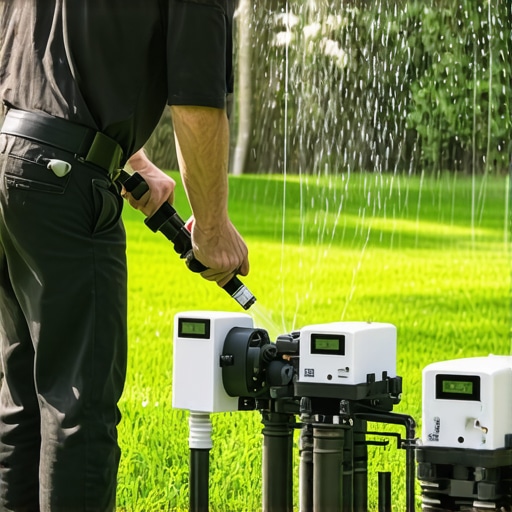
Maintaining your irrigation system is crucial for long-term success. I personally rely on a combination of high-quality tools and routine checks to ensure my system operates efficiently. First, investing in a reliable backflow preventer tester helps prevent contamination and keeps water flowing properly. I use a digital pressure gauge to regularly check system pressure; consistent pressure levels indicate everything’s working as it should. Additionally, a portable nozzle or spray head tester allows me to troubleshoot spray patterns and fix blockages quickly, preventing dry patches or overwatering.
To keep your system in top shape, schedule seasonal inspections. During spring, I thoroughly clean and replace worn-out nozzles and filters. In summer, I check for leaks or damage caused by heat and drought stress. Fall is the perfect time to flush the system and repair any damage from summer storms. Regular maintenance not only extends the lifespan of your equipment but also saves water and reduces bills. For complex setups, consulting with a professional can identify issues that DIY checks might miss, ensuring your yard remains lush and healthy.
Looking ahead, smart irrigation controllers are becoming more sophisticated. They can predict weather patterns and adjust watering schedules accordingly. I recommend integrating these devices with soil moisture sensors for even better results. This future trend will make maintenance more automated, freeing up your time while optimizing water use. Try installing a smart controller combined with soil sensors; it’s a game-changer for sustainable lawn care in 2025.
Tools I recommend for effective irrigation management
Personally, I swear by the Orbit Weather Maker Smart Sprinkler Controller. It seamlessly connects to weather data via Wi-Fi, adjusting watering schedules based on rain forecasts. This means I no longer have to manually turn off sprinklers during rainstorms, saving water and money. The controller’s app provides detailed reports and allows remote adjustments, which is perfect for busy schedules.
Another essential tool is a DIG Multi-Function Soil Moisture Meter. I use it weekly to check soil moisture levels at different depths. This helps me fine-tune watering times and prevents overwatering, which can lead to root rot. The device is simple to use and provides instant readings, making it a must-have for any serious lawn enthusiast.
For physical maintenance, I keep a set of Ratcheting Hose Clamp Pliers handy. They make replacing nozzles and fixing leaks quick and easy. Additionally, I always have a Low-Pressure Nozzle Cleaner to clear out clogs, ensuring uniform spray patterns.
As technology advances, I believe we’ll see even more integration of AI-driven systems that monitor and adjust irrigation in real time. These innovations will make maintenance nearly effortless and maximize water efficiency. In the meantime, using reliable tools and performing routine checks will keep your irrigation system working perfectly, ensuring a lush lawn in 2025 and beyond. Don’t hesitate—try out a soil moisture meter this week to see immediate improvements in your watering routine!
The Hardest Lesson I Learned About Lawn Irrigation
One of the biggest revelations was realizing that a one-size-fits-all approach to watering simply doesn’t work. Tailoring the irrigation system to soil type, plant needs, and climate was a game-changer. I used to believe that bigger spray radius meant better coverage, but I learned that precision and zone-specific adjustments produce healthier grass and save water.
My Essential Toolkit for Achieving the Perfect Lawn
Investing in a smart sprinkler controller like the Orbit Weather Maker transformed my watering routine by automatically adjusting for weather, preventing waste. A soil moisture meter such as the DIG Multi-Function Soil Moisture Meter helped me fine-tune schedules, avoiding over- or under-watering. Regular maintenance tools, including nozzle cleaners and pressure gauges, keep the system running smoothly.
Embrace Change and Let Your Lawn Flourish in 2025
Don’t let outdated systems hold you back. With the right tools, professional guidance when needed, and a mindset open to continuous improvement, your yard can become a lush oasis. The future of lawn care is smart, sustainable, and personalized—are you ready to take the leap? Share your experiences or questions below and start your journey toward a thriving yard today!