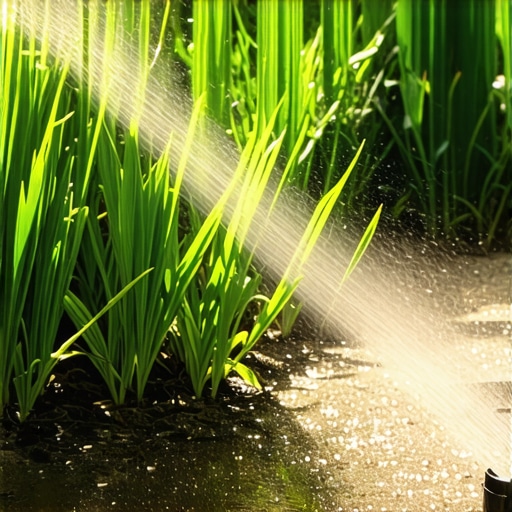
Have you ever watched your lush garden turn into a parched wasteland just after a few weeks of summer, feeling that sinking frustration of wasted water and dead plants? I vividly remember the first real drought we faced last year, and how I realized I had been doing it all wrong—overwatering some areas, neglecting others, and not planning my irrigation system strategically. That lightbulb moment changed everything for me.
Why Smart Irrigation Matters More Than Ever
In 2025, with climate patterns becoming more unpredictable, mastering effective irrigation strategies isn’t just a luxury, it’s a necessity. Proper watering not only keeps your garden thriving but also conserves water and saves money. Trust me, I learned this the hard way, making the mistake early on of ignoring the importance of an optimized irrigation system. Instead of wasting resources, I wish I had started with a plan. It’s why I’m passionate about sharing the right tips—so you won’t have to go through the same mistakes. Did you know that improper watering accounts for over 50% of plant death in many gardens? (Source: National Gardening Association)
Is Overwatering Really the Biggest Issue?
Early in my gardening journey, I thought that watering more meant healthier plants. Turns out, I was very wrong. Overwatering can drown roots, promote disease, and waste gallons of water. The key is to find that sweet spot—deep, infrequent watering that encourages strong root growth. I used to think that sprinklers were enough, but I soon discovered that a well-designed irrigation system tailored to my yard’s specific needs made all the difference. If you’ve ever battled with patches of dead grass or stressed plants, chances are you’re not alone—and it’s often fixable with the right approach. Curious how to get it right? Check out expert tips on irrigation system design that guarantees a thriving lawn.
Now that we understand the importance of proper watering, let’s dive into practical steps to transform your garden into a lush paradise in 2025. Trust me, these strategies are game-changers that will save you time, money, and stress while giving your garden the care it deserves. Ready to take your landscaping to the next level? Let’s get started!
Assess Your Garden’s Water Needs
Begin by evaluating your garden’s specific requirements. Different plants, soil types, and microclimates demand tailored watering schedules. I remember a time when I blindly used the same sprinkler pattern across my entire yard, leading to overwatering some areas and neglecting others. After observing patches of stressed plants and uneven growth, I realized the importance of a precise assessment. Use soil moisture meters and observe plant responses to determine the optimal watering frequency and volume. This step ensures you deliver just the right amount of water, avoiding waste and promoting healthy root development.
Design a Custom Irrigation System
Crafting a well-designed system is like creating a personalized blueprint for your garden’s hydration. Start with zoning your yard based on plant types and sun exposure. I once installed zones arbitrarily, which resulted in uneven watering. To fix this, I mapped my garden and grouped similar areas together, then installed separate valves for each zone. This allows for adjustable watering times tailored to each zone’s needs. Incorporate drip lines for flower beds and shrubs, and spray heads for lawns. For a comprehensive approach, consult expert irrigation system design tips to maximize efficiency.
Implement Smart Technology
Smart controllers and sensors revolutionize garden watering. I installed a weather-based controller that adjusts watering schedules based on rainfall and temperature, saving water during rainy periods. Sensors placed in different zones monitor soil moisture levels in real-time, triggering watering only when necessary. It’s like having a garden assistant that works 24/7. This technology prevents overwatering and ensures consistent moisture, which is critical for healthy plants. Consider integrating these tools for a hands-off, eco-friendly approach to irrigation.
Set Up Proper Irrigation Timing
Timing is everything—watering early in the morning or late in the evening reduces evaporation and maximizes absorption. I once tried watering in the heat of midday, only to see most of the water evaporate before reaching roots. To avoid this, I adjusted my system to operate during dawn or dusk. Deep, infrequent watering encourages roots to grow downward, making plants more drought-resistant. A good rule of thumb is to water deeply so the soil is moist to a depth of 6-8 inches, which can be achieved by running the system in cycles rather than a single session. For detailed scheduling strategies, visit yard cleanup tips.
Maintain and Fine-Tune Regularly
An irrigation system isn’t set-it-and-forget-it. Regular maintenance is crucial. Check for clogged nozzles, leaks, and broken parts monthly. I once ignored a leaking head that wasted gallons daily, leading to patchy grass and increased water bills. Cleaning filters, adjusting spray patterns, and replacing worn components keep the system running efficiently. Additionally, review your watering schedule seasonally—plants’ needs change with weather and growth stages. Keeping your system in top shape guarantees lush, healthy gardens year-round.
By applying these core steps—assessment, tailored design, smart technology, proper timing, and maintenance—you’ll transform your garden into a lush paradise in 2025. Every adjustment brings you closer to a water-efficient, vibrant landscape that thrives through changing seasons and climates.
Many gardening enthusiasts assume that simply installing a fancy automatic sprinkler system will solve all their watering woes. However, this misconception can lead to costly mistakes and subpar plant health. Let’s dig deeper into what most people get wrong about smart irrigation and how to sidestep these pitfalls to ensure a lush, healthy garden.
Why Overreliance on Technology Can Backfire
Many believe that high-tech irrigation systems are foolproof. The truth is, even the most advanced controllers and sensors require regular oversight. Ignoring seasonal adjustments, sensor calibration, or maintenance schedules can cause your system to deliver either too much or too little water. A common trap is setting it and forgetting it, which often results in overwatering during rainy spells or underwatering during heatwaves. Regularly reviewing your system’s performance and updating schedules based on weather patterns is essential. For expert insights on keeping your system in top shape, check out expert irrigation yard cleanup strategies.
Don’t Fall for the Myths About Watering Frequency
A widespread myth is that frequent, shallow watering is best. In reality, most plants thrive on deep, infrequent watering that encourages strong root development. Shallow watering promotes shallow roots, making plants more vulnerable to drought and pests. I’ve seen many gardens where overwatering superficial roots led to weak plants and increased disease susceptibility. Remember, the goal is to hydrate deeply—usually once or twice a week—adjusting for weather and soil type. For detailed guidance on proper watering schedules, visit top irrigation yard cleanup tips.
How to Spot and Fix Advanced Mistakes
One often overlooked mistake is neglecting soil type and microclimates. Sandy soils drain quickly, requiring more frequent watering, while clay soils retain moisture longer. Failing to customize your system to these nuances means some areas may be overwatered while others are underwatered. Additionally, microclimates created by shade, wind, or slope can dramatically affect water needs. To master these subtleties, consider using soil moisture sensors at different points in your yard, and adjust zones accordingly. This advanced approach ensures your system delivers just the right amount of water where needed most. For expert advice on irrigation strategies tailored to your yard’s unique conditions, explore expert irrigation landscaping strategies.
Have you ever fallen into this trap? Let me know in the comments. Remember, effective irrigation is about more than just equipment — it’s about understanding your garden’s specific needs and maintaining your system diligently. Master these nuances, and you’ll be well on your way to a thriving, water-efficient landscape in 2025!
Once you’ve set up an efficient irrigation system, maintaining it over time is crucial to ensure your garden remains lush and healthy. Regular upkeep not only extends the lifespan of your equipment but also guarantees optimal watering performance, saving you time, water, and money. In this article, I’ll share the tools and methods I personally rely on to keep my irrigation system in top shape and how you can implement these practices for your own garden.
Invest in Quality Tools for Maintenance
For consistent and effective maintenance, I recommend using a high-quality nozzle cleaning kit. Over time, mineral deposits and debris clog spray heads, causing uneven watering. I personally use the Rain Bird Nozzle and Filter Cleaning Kit because it allows me to quickly disassemble and clear blockages without damaging parts. Additionally, a digital soil moisture meter, like the Dr.Meter S100 Soil pH and Moisture Meter, helps me monitor soil conditions precisely, ensuring my watering schedule remains on point.
For leak detection, I employ a digital pressure gauge to check the system’s PSI regularly. This helps identify drops in pressure that indicate leaks or broken valves, preventing water waste and system damage. Keeping spare parts, such as replacement nozzles and tubing, on hand allows me to fix issues promptly, minimizing downtime.
Implement Routine System Checks
My routine involves a monthly visual inspection of all sprinkler heads, valves, and filters. I carry a small portable spray head cleaner to clear clogs during inspections. When I notice uneven spray patterns or reduced flow, I immediately shut off the system and troubleshoot. This proactive approach prevents minor issues from escalating into costly repairs. Also, I schedule seasonal checks before peak watering periods, adjusting zones and schedules as needed.
Using a combination of these tools and habits has significantly improved the reliability of my irrigation system. Regular maintenance not only ensures consistent watering but also extends the life of your equipment, making your investment more worthwhile. For more detailed strategies, I highly recommend reviewing expert irrigation yard cleanup strategies.
Where Do I Keep Up the Effort Long-Term?
To keep your irrigation system performing well over the long haul, establish a maintenance schedule and stick to it. Mark your calendar for monthly inspections and seasonal tune-ups. Consider automating some checks with smart sensors that alert you to issues before they become severe. As technology evolves, I believe we’ll see smarter, more integrated systems that can self-diagnose and even self-repair minor faults, drastically reducing manual oversight. Staying ahead of problems ensures your garden remains vibrant year-round.
Don’t forget to experiment with new tools and techniques periodically. For example, I’ve recently started using advanced soil moisture sensors that provide real-time data via my smartphone, allowing me to fine-tune watering schedules effortlessly. Trying out these innovations can lead to even better results and help you adapt to changing weather patterns.
Now that you’re equipped with the right tools and routines, I encourage you to try one of these maintenance tips today. Regular attention and smart tools are your best allies in keeping your irrigation system effective and your garden thriving for years to come.
The Hardest Lesson I Learned About Smart Irrigation
One of the most eye-opening realizations I had was how easily even the most advanced irrigation systems can fall into disrepair or become ineffective without regular oversight. I once relied solely on a smart controller, trusting it to do all the work, only to find my plants stressed and my water bills soaring. That taught me that technology is a tool, not a set-it-and-forget-it solution. Regular calibration, seasonal adjustments, and system checks are essential to truly benefit from smart irrigation.
Three Myths About Garden Watering That Held Me Back
I used to believe that frequent shallow watering was the best approach, but I discovered that deep, infrequent watering promotes stronger roots and more drought-resistant plants. Also, I thought all soils needed the same watering schedule, which isn’t true—soil type and microclimate make a big difference. Busting these myths changed how I manage my garden, leading to healthier plants and significant water savings.
What I Wish I Had Known About Soil Microclimates
Understanding microclimates within my yard was a game changer. Shaded areas retained moisture longer, while windy spots dried out quickly. By installing soil moisture sensors tailored to each microclimate, I could customize watering schedules, avoiding overwatering in some zones and underwatering in others. This nuanced approach helped me create a truly thriving landscape that adapts to its environment.
My Essential Toolkit for Efficient Garden Irrigation
Over years of trial and error, I found that investing in quality tools like the Rain Bird Nozzle and Filter Cleaning Kit and a digital soil moisture meter made all the difference. These tools help me maintain my system easily, detect leaks early, and ensure consistent watering. Trusting reliable equipment has saved me time, money, and frustration while keeping my garden lush.
Embrace Action: Your Garden’s Future Starts Now
Now is the perfect time to evaluate your irrigation setup and implement these insider lessons. Small adjustments today can lead to a water-efficient, vibrant garden in 2025. Remember, gardening success isn’t just about equipment—it’s about understanding your unique space and maintaining it diligently. Take the first step toward a healthier landscape today!
What’s been your biggest challenge with garden irrigation? Share your experience below—I’d love to hear your story!