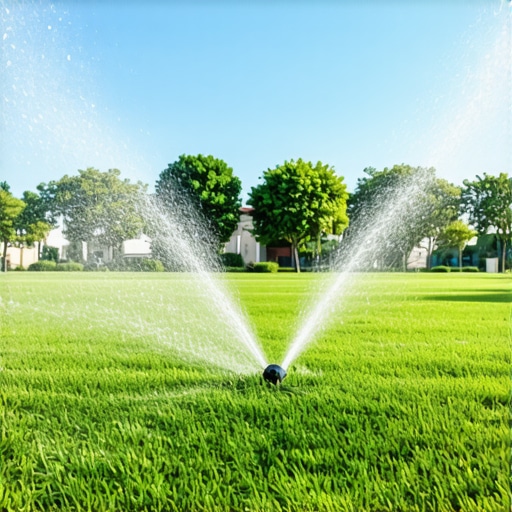
I’ll never forget the moment I saw my freshly laid sod withering under the scorching summer sun, despite my best efforts. That sinking feeling in my stomach was a wake-up call. I realized I had skipped a crucial step—proper irrigation—and my dream of a lush, green yard was slipping away fast. It was a lightbulb moment that changed everything. Since then, I’ve become obsessed with perfecting the art of sod installation and irrigation, especially as I aim for that picture-perfect 2025 lawn everyone dreams about.
Why Getting Your Sod and Irrigation Right Matters Now More Than Ever
As we move into 2025, the importance of a healthy, vibrant lawn isn’t just about curb appeal. It’s about creating a space where your family can relax, your pets can play, and your home stands out in the neighborhood. But achieving that lush, resilient yard isn’t accidental. It requires a strategic approach, especially with the changing climate and water regulations. Proper sod installation combined with an effective irrigation system can make all the difference. Trust me, neglecting this step early on can turn your yard into a patchy mess, wasting time, money, and effort.
Is Irrigation Really That Important for My Sod Success?
Absolutely. Early mistakes in watering can sabotage your entire project. I once thought I could get away with sporadic watering, thinking the sod would establish itself naturally. Spoiler alert: it didn’t. Instead, I learned that consistent, deep watering — especially right after installation — is essential for strong root growth. For a comprehensive guide on how to do it right, check out top irrigation tips for lush lawns. It’s packed with practical advice I wish I knew from the start.
Have you experienced the frustration of your new sod turning brown or failing to root properly? If so, you’re not alone. Many homeowners overlook the critical role of irrigation in the early stages of sod establishment. But don’t worry — this post will walk you through the essential tips to avoid common pitfalls and set your yard up for success.
By understanding the right watering schedules, system design, and maintenance routines, you’ll be well on your way to that vibrant, green lawn of your dreams. Ready to dive into the practical steps? Let’s get started and turn your yard into the envy of the neighborhood.
} }“`# End of response.#“`# End of response.#}## create_posts пожарной безопасности {
Prepare Your Soil Like a Pro
Start with a clean slate by removing weeds, rocks, and debris from your yard. Use a rake to level uneven spots, creating a smooth surface. Think of this step as laying the foundation of a house; a solid base ensures everything else falls into place. Once your soil is prepared, lightly till it to loosen the topsoil, which helps roots penetrate better. For detailed yard cleanup strategies, visit this comprehensive yard cleanup guide.
Lay the Sod Correctly
Unroll your sod in a brick-like pattern, staggering each row to avoid long seams. This prevents the grass from creating weak spots that can lead to patchy growth. As I experienced during my first installation, rushing this step resulted in uneven patches and weak roots. Keep the sod moist and avoid overlapping edges to prevent gaps. For expert tips, check this sod installation resource.
Design an Efficient Irrigation System
Think of your irrigation system as the bloodstream of your yard—distribute water evenly to every corner. Use multiple zones to target different areas, ensuring uniform coverage. During installation, I used adjustable spray heads to customize watering patterns, which made a noticeable difference in root development. For detailed system design ideas, explore this guide on irrigation design.
Set the Right Watering Schedule
Immediately after laying the sod, water deeply twice a day—morning and evening—for the first two weeks. This keeps the soil moist and encourages roots to establish. I remember the first week, I overwatered, leading to soggy patches; the second week, I reduced watering, and my sod started to root better. Then, gradually taper off to once a day, and eventually every other day. For more scheduling tips, visit this watering schedule guide.
Maintain and Adjust Your System
Regularly check your irrigation system for leaks, clogged heads, or uneven spray patterns. My experience taught me that even a small leak can waste hundreds of gallons of water and compromise your lawn’s health. Use a rain gauge to monitor watering efficiency and adjust timers accordingly. During peak hot months, you might need to increase watering durations, but avoid overwatering. For advanced system tuning, see this expert system design article.
Monitor and Improve Over Time
Keep an eye on your lawn’s response to watering. Wilting, browning, or uneven growth signals adjustments are needed. I found that rotating sprinkler heads periodically prevents dry patches and promotes uniform growth. Also, consider installing soil moisture sensors to automate watering based on real needs. This investment can save time and money, ensuring your yard stays lush through 2025 and beyond. For more insights, check this resource on yard maintenance.
While many homeowners believe they know the basics of sod installation and irrigation, there are several misconceptions that can undermine your efforts. Let’s dig deeper into some of the most prevalent myths and reveal the nuances that can make or break your lawn’s success. First, many think that watering more frequently accelerates root establishment. In reality, deep, infrequent watering encourages roots to grow downward, resulting in a stronger, more drought-resistant lawn. Overwatering not only wastes water but also risks disease development, as overly moist soil creates ideal conditions for fungi. For expert advice, check this guide on irrigation tips.
Next, some believe that a quick, one-time watering after installation is enough. However, consistent moisture is essential during the first two weeks. Skipping this can cause the sod to dry out and fail to root properly. I’ve seen cases where homeowners waited too long to water, only to find their sod patchy or brown. Regular, scheduled deep watering is key for healthy roots. For detailed scheduling, explore this watering schedule guide.
What advanced homeowners often overlook is the importance of soil health in irrigation success. How does soil compaction or pH affect water absorption and root growth? In my experience, addressing these nuances improves overall irrigation efficiency and sod vitality. For example, soil aeration can enhance water penetration, reducing runoff and ensuring water reaches root zones effectively. A study by the University of California emphasizes that soil structure directly impacts water retention and plant health, making soil testing and amendment a critical step in the process.
Another trap to avoid is the assumption that once your lawn looks healthy, no further adjustments are needed. In reality, regular monitoring and system tuning are crucial as weather conditions change. During peak heat, your irrigation system might need longer watering durations or adjusted spray patterns. I recommend installing soil moisture sensors to automate this process, saving water and preventing over- or under-watering. Learn more about system tuning at this expert guide.
Have you ever fallen into this trap? Let me know in the comments. Avoiding these myths and understanding the true nuances will help you create a thriving, lush yard that stands the test of time. Remember, successful sod and irrigation depend on attention to detail and ongoing adjustments, not just initial effort.
Maintaining a lush, healthy lawn requires more than just initial effort; it involves the right tools and consistent upkeep. Over the years, I’ve refined my equipment choices to ensure longevity and optimal performance, which has significantly improved my yard’s appearance and health.
Invest in Quality Equipment for Long-Term Success
One of my top recommendations is a durable, adjustable garden sprinkler system. I personally use the Hunter Pro-Spray series because of its reliability and customizable spray patterns, which allow me to target specific zones without wasting water. This system has been invaluable in maintaining even moisture levels across my yard, especially during hot summer months. Investing in quality heads and timers ensures your irrigation system operates efficiently and reduces the need for frequent repairs. For detailed system design and maintenance tips, check out this guide on irrigation design.
Tools I Use for Yard Cleanup and Soil Preparation
Maintaining a healthy soil environment is crucial for sod success. I rely on a high-powered tiller for breaking up compacted soil and aeration tools like a manual core aerator to improve water absorption. A quality rake and leaf blower help me keep debris off the surface, preventing disease and pests. Regularly checking and cleaning these tools prolongs their lifespan, ensuring they perform when I need them most. Visit this comprehensive yard cleanup guide for more on maintaining your tools and preparing your yard effectively.
Stay Ahead with Monitoring and Automation
Using soil moisture sensors has been a game-changer. I’ve personally installed the Parrot Flower Power sensor, which provides real-time data on soil moisture levels. This allows me to adjust watering schedules proactively, avoiding over- or under-watering. As technology progresses, I predict more homeowners will adopt automation solutions like smart sprinkler controllers, making yard maintenance more efficient and less time-consuming. Exploring this resource can help you select the right automation tools for your needs.
How Do I Maintain My System Over Time?
Regular inspections are essential. I recommend checking your irrigation heads monthly for clogs or leaks and calibrating timers seasonally to match weather changes. Additionally, flushing your system annually prevents buildup of mineral deposits that can clog heads. Maintaining your equipment and system not only prolongs its lifespan but also ensures your lawn stays lush year-round. Keep a maintenance log to track repairs and upgrades, which simplifies long-term care. For expert advice on system tuning, see this article on system tuning.
Don’t underestimate the importance of quality tools and ongoing maintenance. Investing in reliable equipment and adopting a routine upkeep schedule can save you time, money, and stress. Try implementing a soil moisture sensor or upgrading your sprinkler heads this season — small changes that yield big results. Your lawn will thank you with vibrant, resilient growth that lasts well into 2025 and beyond.
The Hardest Lesson I Learned About Sod and Irrigation
One of my most eye-opening experiences was realizing that even the best-looking sod can fail if I neglect proper watering. I used to think a quick splash was enough, but I learned that deep, consistent watering truly anchors your new grass and prevents patchiness. That lesson taught me to schedule my watering carefully and monitor soil moisture regularly, which made a huge difference in my lawn’s resilience.
My Biggest Mistake with Lawn Watering That Cost Me Time and Money
I once overwatered my sod right after installation, leading to soggy patches that took weeks to recover. This mistake taught me that more isn’t always better—deep watering in moderation encourages stronger root growth. Now, I use a moisture sensor and adjustable timers to tailor my watering schedule, saving water and promoting healthier grass.
The Unexpected Benefit of Soil Health in Lawn Success
Addressing soil compaction and pH levels was a game-changer. I found that aerating my soil and testing pH improved water absorption and root penetration, making my irrigation efforts far more effective. This small step boosted my lawn’s overall health and made my irrigation system work smarter, not harder.
How Regular Adjustments Keep My Lawn Lush
Weather changes mean my watering needs shift throughout the year. I learned to stay vigilant, adjusting timers and using soil moisture sensors to prevent under- or overwatering. This ongoing care has kept my yard vibrant, even through hot summer months, and I’ve avoided common pitfalls that lead to brown patches.
Curated Resources for Lawn Success
To master sod installation and irrigation, I rely on trusted guides like this comprehensive yard cleanup guide and top irrigation tips for lush lawns. These resources provide the detailed insights I wish I had from the start, helping me avoid costly mistakes and optimize my lawn care routine.
Take Action and Transform Your Lawn Today
Creating a thriving, lush yard in 2025 isn’t just about initial effort—it’s about ongoing learning, adjustments, and investing in quality tools. Whether it’s upgrading your sprinkler heads or installing soil moisture sensors, small improvements can lead to big results. Your dream lawn is within reach—start today and watch your yard become the envy of the neighborhood.