
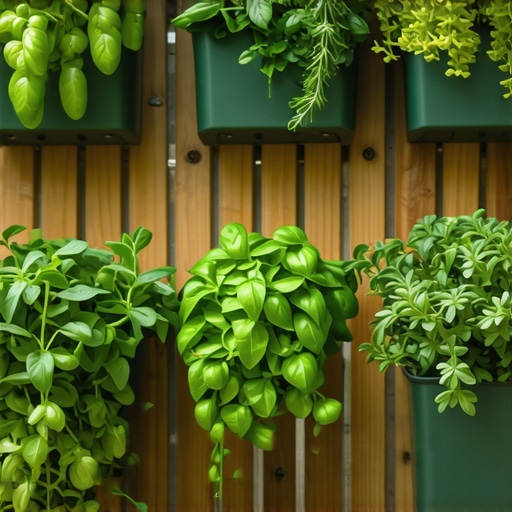
The Engineering of Vertical Herb Systems in Small Yards
Vertical herb gardening in 2026 is no longer about hanging a few plastic pots on a fence; it is an exercise in structural engineering and horticultural precision designed to maximize yield in confined urban footprints. By utilizing the vertical plane, you manage solar exposure and air circulation far more effectively than traditional ground-level beds.
I always drill into my new crew members: if you don’t fix the soil grading first, every plant you put in the ground is just expensive compost. I remember an apprentice who thought he could just slap a vertical pallet garden against a client’s cedar siding without checking the grade at the base. Three months later, the foundation was damp, the bottom row was rotted, and the ‘landscaping’ was a fungal disaster. You have to think about where every drop of water is going. If your yard cleanup doesn’t include assessing how vertical runoff impacts your existing sod install or foundation, you are asking for trouble. In 2026, we build systems, not just gardens.
“Containerized herbs require a substrate that balances rapid drainage with high cation exchange capacity to prevent nutrient leaching during frequent irrigation cycles.” – Agronomy Manual for High-Density Urban Agriculture
Selecting the Substrate for 2026 Vertical Herb Gardens
To maximize 2026 herb yields in small yards, use a soil-less potting mix high in perlite and vermiculite for drainage. Avoid heavy topsoil which compacts in vertical planters, leading to root anaerobic conditions. Maintaining a pH of 6.0 to 7.0 ensures nutrient bioavailability for culinary herbs.
When you are working in a vertical space, weight is your enemy. Saturated field soil weighs approximately 100 to 120 pounds per cubic foot. In a vertical planter, that weight puts immense stress on your anchors. We use a blend of coconut coir, expanded shale, and composted pine bark. This keeps the bulk density low while maintaining a capillary bridge for water movement. If you are integrating this into a larger landscaping project, ensure your irrigation system can handle the specific pressure requirements of vertical emitters. A standard lawn sprinkler wont cut it; you need a dedicated pressure-compensated drip line.
How much weight can a fence hold for a vertical garden?
Most standard 6-foot privacy fences can support 15 to 20 pounds per linear foot if the posts are set in concrete at a depth of 24 inches. Always check post integrity before mounting heavy planters. If the posts are wobbly, no amount of yard cleanup will save the structure once the plants reach maturity and the soil is fully saturated.
The Critical Role of Precision Irrigation
Effective irrigation for vertical herb gardens requires pressure-compensated emitters that deliver a precise volume of water regardless of the height of the planter. This prevents hydrostatic pressure from over-watering the bottom rows while the top rows desiccate. Automated drip systems are the standard for 2026 small yard installs.
| Material Type | Durability (Years) | Moisture Retention | Structural Weight |
|---|---|---|---|
| Rot-Resistant Cedar | 10-15 | High | Heavy |
| Recycled HDPE Plastic | 20+ | High | Moderate |
| UV-Treated Felt Pockets | 3-5 | Low | Lightweight |
| Powder-Coated Aluminum | 25+ | Low | Moderate |
Gravity is a constant force. In a vertical stack, water naturally migrates to the lowest point. If you aren’t using individual 0.5 GPH (gallons per hour) emitters for every level, the bottom herbs will develop root rot from the leachate of the upper tiers. This leachate also contains concentrated salts and fertilizers that can burn a new sod install if it drips directly onto the lawn. We always install a collection trough or a French drain at the base of vertical units to direct this water away from the foundation and into the yard drainage system.
What is the best irrigation system for vertical planters?
The gold standard is a 1/4-inch micro-drip system connected to a smart controller. This allows you to pulse-irrigate, providing 2 minutes of water five times a day. This technique keeps the root zone oxygenated while preventing the substrate from ever fully drying out, which is vital for high-metabolism herbs like basil and mint.
The Structural Anatomy of a Vertical Install
The structural anatomy of a vertical herb garden begins with load-bearing anchors and moisture barriers to protect the mounting surface. In 2026, we utilize Z-clips or heavy-duty cleat systems to allow for air gaps between the planter and the wall. This prevents mold growth and structural rot.
- Step 1: Conduct a solar audit to identify the 6-hour sun window.
- Step 2: Install a 40-mil EPDM moisture barrier if mounting to wood or masonry.
- Step 3: Secure mounting brackets into structural studs, not just siding.
- Step 4: Layout the drip line starting from the top and working down.
- Step 5: Load with pre-moistened soil-less media to prevent initial settling.
Don’t be the homeowner who buys a cheap kit and expects it to last. If the tamper doesnt bounce off your compacted base for a patio, you dont build on it. The same logic applies here. If the wall isn’t structurally sound, don’t hang 200 pounds of wet soil on it. I have seen entire fence sections collapse because someone didn’t account for the weight of a maturing rosemary bush and the 15-inch root ball it requires. You need to use 3-inch stainless steel lag bolts. Anything less will shear off in a high wind event.
“Vertical structures in urban landscaping must account for increased wind shear and evaporative cooling, which can be 30% higher than ground-level beds.” – ICPI Hardscape Engineering Standards
Nutrient Management and Soil Health
In vertical systems, the nitrogen cycle is accelerated due to higher soil temperatures. You must use a slow-release granular fertilizer supplemented with liquid seaweed extracts. Because you are frequently watering, the nutrients wash out quickly. This is why soil microbiology is crucial. We inoculate our mixes with mycorrhizae to help the roots find every available molecule of phosphorus. It’s the difference between a plant that just survives and one that produces enough essential oils for actual culinary use. If your herbs look pale, it’s not a lack of sun; it’s a lack of nitrogen caused by over-leaching.
How do I prevent my vertical garden from drying out?
Incorporate hydrogels or calcined clay into your mix to increase water holding capacity without sacrificing pore space. Additionally, choosing light-colored containers reflects solar radiation, keeping the root zone up to 10 degrees cooler than dark pots. This is a critical factor in 2026 as urban heat islands become more intense.
Proper yard cleanup at the end of the season involves more than just pulling dead stems. You need to flush the irrigation lines with a mild citric acid solution to remove calcium buildup from the emitters. If you leave water in those micro-lines, the first freeze will shatter them. This is the level of detail that separates a professional landscaping job from a weekend mistake. Precision is the only way to succeed in a small yard footprint. Every square inch must work for you. Build it right the first time, or don’t build it at all.