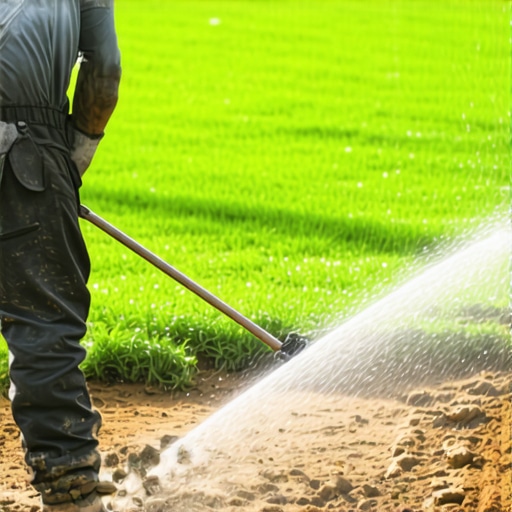
I’ll never forget the first time I laid down fresh sod in my backyard. I was so excited to see that lush green carpet take shape. But after a few weeks, I faced brown patches and uneven growth that made me question if I’d wasted my time and money. It was a lightbulb moment—my mistake was neglecting proper irrigation and installation strategies, thinking all sod is created equal. Turns out, a beautiful, thriving lawn starts with more than just laying sod. It’s about smart planning, timely watering, and understanding what your yard truly needs.
Why Proper Sod Installation and Irrigation Matter More Than You Think
Getting your turf right isn’t just about aesthetics; it impacts your yard’s health, your property value, and even your mood. A well-installed sod with an effective irrigation system can transform your lawn into a lush paradise, saving you time, effort, and money in the long run. Trust me, I’ve learned the hard way that skipping these steps leads to patchy, unhealthy grass that’s a nightmare to fix later. According to the ultimate guide to sod install and irrigation, proper watering and installation techniques significantly boost your chances of a thriving lawn in 2025.
Is All Sod and Sprinklers Created Equal or Is There a Secret Sauce?
Early on, I made the mistake of thinking that any sod and any sprinkler system would do. Spoiler alert: that’s not true. The quality of sod, the timing of watering, and the design of your irrigation system all work together to produce that perfect green canvas. If you’re serious about making your yard stand out, you’ll want to pay attention to the details that matter—like soil preparation, watering schedules, and system placement. Curious how to avoid common pitfalls? I’ll walk you through the essential tips that will help you turn your lawn dreams into reality. And if you’re wondering whether investing in professional advice is worth it, I’d say a quick read of expert sod install and yard cleanup tips might just save you a lot of headaches.
So, have you ever faced the frustration of uneven watering or patchy grass? If yes, don’t worry—you’re not alone. The good news is, with a few strategic moves, you can avoid these mistakes and enjoy a lush, healthy lawn in 2025. Ready to dive into the practical steps? Let’s get started on making your yard the envy of the neighborhood.
Prepare Your Soil Like a Pro
Start by removing existing grass, weeds, and debris. Think of your soil as the foundation of a house—if it’s unstable, everything built on top will suffer. I once neglected this step and ended up with uneven growth. Use a tiller or rake to loosen the soil and incorporate organic matter or compost. This improves drainage and nutrient retention, setting your sod up for success. For detailed soil prep strategies, check yard cleanup strategies.
Lay Your Sod the Right Way
Unroll the sod in a staggered brick pattern, similar to laying bricks—this prevents seams from aligning directly. Secure each piece tightly against the next to eliminate gaps. I recall a weekend spent carefully overlapping sod sections, ensuring no air pockets remained. This step is crucial because gaps lead to patchy growth and weed invasion. Use a sharp knife to trim pieces for tight fitting around curves or edges. Proper placement accelerates rooting and growth. For expert tips, visit sod install tips.
Water Smart and Deep
Water immediately after laying sod—think of giving it a drink like a fresh sponge. I learned this the hard way when I waited hours, and the grass struggled to root. Use a sprinkler or soaker hoses to provide about 1 to 1.5 inches of water daily during the first two weeks. Deep watering encourages roots to grow downward, making your lawn resilient. Avoid frequent shallow watering; it promotes shallow roots and patchiness. To fine-tune your watering schedule, see irrigation guide.
Design Your Irrigation System for Efficiency
A well-designed irrigation system saves water and guarantees even coverage. Position sprinklers to overlap slightly, avoiding dry patches. I once installed sprinklers without considering wind direction, which caused uneven watering—lesson learned. Use rotor heads for large areas and spray heads for edges. Set timers to water early morning or late evening, reducing evaporation. For tailored system designs, explore irrigation system design tips.
Regular Maintenance Keeps Your Lawn Green
Once established, mow at the right height—around 2.5 to 3 inches—to promote thick growth. Aerate annually to reduce soil compaction and improve water penetration. Fertilize with a balanced mix to supply essential nutrients. I found that consistent care turned my patchy lawn into a lush oasis within a season. For ongoing care strategies, consult lawn maintenance tips.
Many homeowners fall into the trap of thinking that laying sod and installing an irrigation system are straightforward tasks, but the real challenge lies in the details that most overlook. Let’s dig deeper into some common misconceptions and advanced pitfalls that can sabotage your lawn’s health, even if you follow the basics.
Why Overlooking Soil Preparation Can Lead to Hidden Problems
One of the most underestimated nuances is soil quality. While it’s tempting to focus solely on choosing the right sod or sprinkler heads, neglecting soil prep is a silent killer. Poor soil drainage, compaction, or nutrient deficiency can cause patchy growth and weeds, regardless of your watering schedule. Experts recommend incorporating organic matter and testing your soil to ensure it’s primed for sod. Proper soil preparation is the foundation for everything else—skipping this step is like building on quicksand. For a detailed approach, check yard cleanup strategies.
Timing and Depth of Watering Are Critical—Don’t Just Spray and Pray
Many assume that frequent watering keeps grass healthy, but overwatering or shallow watering can do more harm than good. Deep, infrequent watering encourages roots to grow downward, increasing drought resilience. Conversely, shallow watering fosters shallow roots, making your lawn vulnerable to dry spells. The key is to water about 1 to 1.5 inches per session, ideally early in the morning. Advanced systems with soil moisture sensors can automate this process, but even manual setups need to be fine-tuned. For expert insights, visit irrigation guide.
Are All Sprinklers Created Equal or Is There a Better Way?
It’s a common myth that any sprinkler will do. In reality, choosing the right sprinkler heads and placement is an art and science. For example, rotor heads are ideal for large areas, while spray heads work better for edges and flower beds. Overlapping coverage is essential to prevent dry patches. Additionally, setting the timers to water early morning reduces evaporation and fungal issues. A poorly designed system that doesn’t consider wind, slope, or water pressure will waste water and create uneven coverage. To avoid this, consider professional system design, and explore irrigation system design tips.
Have you ever fallen into this trap? Let me know in the comments. Remember, the devil is in the details, and avoiding these hidden mistakes will set your lawn up for lasting success. Don’t just follow the crowd—use expert strategies to make your yard the envy of the neighborhood.
Keeping your lawn in top shape over time requires more than just initial setup; it demands the right tools and consistent maintenance. Over the years, I have tested numerous equipment and software solutions, but a few stand out for their reliability and effectiveness in maintaining a lush, healthy yard. Investing in quality tools not only streamlines your routine but also ensures long-term success. Let me share my top recommendations based on personal experience and industry standards.
High-Quality Sprinkler Systems for Even Watering
One of the most critical aspects of lawn maintenance is irrigation. I personally rely on automated sprinkler systems equipped with smart timers and moisture sensors. These tools help me deliver consistent, deep watering without the guesswork, which is vital for root development and drought resilience. For example, a system like the smart irrigation controller allows me to customize watering schedules based on weather forecasts and soil moisture levels, reducing water waste and promoting healthy growth.
Soil Testing Kits to Optimize Soil Health
Understanding your soil’s composition is fundamental. I recommend investing in comprehensive soil testing kits that measure pH, nutrient levels, and organic matter content. Personally, I use the Rapitest Soil Test Kit because it provides quick results and helps me tailor my fertilization and soil amendments. Proper soil preparation, as discussed earlier, is the foundation for a thriving lawn. Regular testing ensures you address deficiencies before they impact grass health, saving time and money in the long run.
Robust Lawn Mowers for Precision Cutting
A reliable mower is essential for maintaining the ideal grass height. I prefer models with adjustable blades and mulching capabilities, such as the Honda HRX series. They allow me to mow at the optimal height (around 2.5 to 3 inches) to promote dense, weed-resistant grass. Sharp blades are a must; I make it a habit to sharpen mine regularly, preventing tearing and promoting healthier turf.
Software for Lawn Care Scheduling and Monitoring
Modern technology has made it easier to keep track of maintenance routines. I use lawn care apps like My Lawn and Rachio to schedule watering, fertilizing, and mowing. These tools send reminders and provide weather-based recommendations, which helps me adapt my routine proactively. As the trend toward smart gardening continues, I predict more integrated systems offering real-time soil and weather data, making lawn care even more precise and effortless.
How do I maintain my tools over time?
Maintaining your equipment is just as important as choosing the right tools. Regularly cleaning sprinkler heads, sharpening mower blades, and calibrating soil testers extend the lifespan and effectiveness of your gear. Additionally, storing tools properly during off-seasons prevents rust and damage. For digital tools, keeping software updated ensures compatibility with new features and security patches.
In conclusion, equipping yourself with the right tools and maintaining them diligently is the secret to a lush, vibrant lawn that lasts. I encourage you to try out a smart irrigation system or invest in a top-quality mower to see immediate improvements. Remember, the future of lawn care lies in integrated, technology-driven solutions that make maintenance smarter and easier. Don’t wait—start upgrading your toolkit today and enjoy the long-term benefits of a healthy yard!
The Hardest Lesson I Learned About Lawn Perfection
One of my biggest realizations was that soil quality can make or break your entire lawn. I once skipped soil testing and organic amendments, only to see patchy, weed-prone grass. Now, I know that investing time in soil prep—like incorporating compost and testing pH—sets a solid foundation for lush grass. This overlooked step, often dismissed as tedious, is actually the secret to long-term health.
3 Myths About Sod and Irrigation That Held Me Back
I used to believe that all sod was equal and that watering was just about frequency. Turns out, quality sod varieties matter, and proper watering—deep and infrequent—encourages stronger roots. Another myth? That sprinklers should be set and forgotten. In reality, designing an efficient system with overlapping coverage and timers tailored to your yard’s needs drastically improves results.
What Experts Won’t Tell You About Achieving a Green Lawn
Most homeowners overlook the importance of regular maintenance—mowing at the right height and aerating annually. These practices promote dense, weed-resistant turf. Additionally, using soil moisture sensors and smart controllers can automate your watering, saving water and preventing overwatering. The key takeaway? Small, consistent adjustments based on expert advice can yield a spectacular lawn in 2025.
My Essential Toolkit for Lawn Transformation
For me, a reliable sprinkler system with smart timers is non-negotiable. I trust systems like the smart irrigation controller because they adapt to weather, conserving water and ensuring even coverage. Soil testing kits like Rapitest help me optimize soil health, while a sharp mower such as the Honda HRX series keeps my grass at the perfect height. These tools, combined with lawn care apps, make maintenance a breeze.
Your Turn to Make a Difference
Creating a vibrant, healthy lawn isn’t just about buying the right products; it’s about understanding the nuances and applying expert strategies. Start small, stay consistent, and watch your yard transform. The future of lawn care is smarter, and you’re just a step away from mastering it. Ready to implement these tips and see your lawn thrive in 2025? Share your experiences or questions below, and let’s grow together!
Reading this post really resonated with me, especially the part about soil preparation. I overlooked soil testing when I first installed sod, and it resulted in uneven patches that took a lot of effort to fix later. Now, I always start with a good soil test and am amazed at how much difference it makes. I’ve also found that using organic compost not only improves nutrient retention but also helps with drainage, which seems crucial for maintaining the health of your turf. One thing I’d love to ask the community about is how they schedule their watering—do you prefer deep soaking once a week or more frequent, lighter watering? I’m curious about different approaches, especially in varying climates. Looking forward to hearing everyone’s tips so I can keep perfecting my lawn! I think combining soil health with a thoughtful watering schedule is absolutely key to avoiding those frustrating patchy spots.