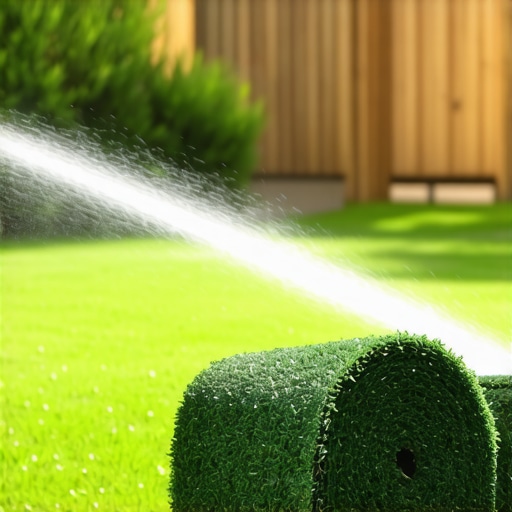
Ever spent hours laying sod only to watch it turn patchy and lifeless within weeks? I know that frustrating feeling all too well. I remember my first big sod project, thinking I had it all figured out, only to see my lush new lawn struggle to thrive. That was a real lightbulb moment for me—real success comes from understanding the crucial role of proper installation and irrigation. If you’re tired of wasting effort and money on a lawn that just doesn’t look its best, I’ve got some tried-and-true tips that will help you turn things around in 2025.
Why Proper Sod Installation and Irrigation Matter So Much
Imagine spending a weekend on your yard, laying fresh sod and dreaming of a perfect green space. But without the right follow-up, all your hard work can go to waste. Early mistakes, like inadequate soil prep or neglecting water needs, can cause your lawn to struggle or even fail. From my own experience, I learned that the key to a vibrant, healthy lawn isn’t just in the sod itself but in how you install it and care for it afterward. Proper techniques can save you time, money, and disappointment. If you want your lawn to flourish, pay close attention to these essential tips. For detailed advice on prepping your yard, check out this comprehensive guide on professional sod installation and yard cleanup.
Is Overwatering Actually a Problem
Early on, I made the mistake of overwatering my new lawn, thinking more water meant faster growth. Turns out, too much water can drown roots and invite disease. I’ve seen many homeowners fall into this trap, leading to weak, shallow roots that can’t support the grass during hot summer days. The truth is, consistent, deep watering—rather than frequent shallow sprays—is what promotes strong roots. This approach also conserves water and prevents fungal issues. If you’re skeptical, remember, even a small overwatering issue can undo weeks of careful work. It’s worth investing in a good irrigation system designed with these principles in mind. For expert irrigation tips, explore best irrigation and landscaping ideas for a lush garden.
Now that you understand the importance of proper installation and irrigation, let’s dive into the practical steps I use to keep my lawn thriving through 2025 and beyond. Ready to transform your yard into a lush paradise? Let’s get started!
Prepare Your Soil Like a Pro
Start by removing all debris, weeds, and old grass. Use a landscape rake or tiller to loosen the soil to a depth of about 4-6 inches. Mix in compost or topsoil to improve drainage and fertility, creating an ideal foundation for your sod. I once spent a whole Saturday breaking up compacted clay and adding organic matter—seeing the difference in how quickly my new sod rooted was a game-changer. For detailed soil prep techniques, check out professional yard cleanup tips.
Lay the Sod Correctly
Measure and Cut Precisely
Measure your yard carefully and cut your sod into manageable strips. Lay the strips tightly against each other, avoiding overlaps or gaps, which can cause uneven growth. I remember unrolling the first few rows like a giant jigsaw puzzle—patience here pays off. Overlap seams slightly and stagger joints like bricks to minimize gaps. For more expert guidance, see best sod installation tips.
Press and Water Immediately
Use a roller or your hands to press the sod firmly onto the soil, ensuring good contact. This step is like sealing a gift—firm pressure guarantees everything stays in place. Once laid, water the sod thoroughly within 30 minutes to prevent drying out. I once skipped this step and saw my sod curl up the next morning. Consistent watering is key—deep soakings every other day encourage deep roots. For irrigation strategies, review expert irrigation tips.
Design an Efficient Irrigation System
Choose the Right Sprinklers
Opt for rotor or spray heads that distribute water evenly. Use adjustable heads to target all areas without overwatering. I installed sprinklers myself and initially aimed too high, wasting water on sidewalks—learning to adjust spray distance made a huge difference. For expert system design, see irrigation system design tips.
Set Deep, Less Frequent Waterings
Deep watering encourages roots to grow downward, making your lawn more drought-resistant. Water early in the morning to reduce evaporation. I once overwatered in the evening, leading to fungal issues—switching to early morning watering improved my lawn’s health. Use timers to automate this process, and check top irrigation tips for best results.
Monitor and Adjust Regularly
Inspect your lawn weekly for signs of dry patches or overwatering. Adjust sprinkler angles and run times as needed. Keep an eye on soil moisture with a simple probe or moisture meter. I learned to walk my yard with a moisture meter, which helped me fine-tune watering schedules. A well-maintained system and attentive care will ensure your lawn stays lush and vibrant into 2025 and beyond. For ongoing yard care, explore yard cleanup and landscaping ideas.
While many homeowners focus on the basics of sod installation and irrigation, there are often overlooked nuances that can make or break your lawn’s success. Let’s dig deeper into some misconceptions and advanced pitfalls that even experienced gardeners sometimes miss. Understanding these details can elevate your yard care from good to exceptional, especially in 2025 and beyond.
Why Skipping Soil Testing Can Lead to Costly Mistakes
One of the most common myths is that soil preparation is just about adding compost or topsoil. In reality, soil testing reveals pH levels, nutrient deficiencies, and compaction issues that can sabotage your lawn’s growth. For example, acidic soil can prevent grass roots from absorbing nutrients effectively, leading to weak, patchy turf. It’s worth investing in a professional soil test before you start, to tailor your amendments precisely. This step is often skipped, but as agronomists say, “know your soil, then grow your grass.” For a comprehensive guide, see professional yard cleanup tips.
Beware of the Overwatering Trap
Many enthusiasts still believe that more water equals faster growth. However, overwatering can drown roots, foster fungal diseases, and create shallow root systems that are vulnerable during droughts. An advanced mistake is not adjusting watering schedules seasonally or based on soil moisture data. Smart irrigation systems with soil moisture sensors can prevent this. Remember, consistent deep watering is far superior to frequent shallow sprays. This nuance is often missed by DIYers who set automatic timers and forget them. To optimize your watering, explore expert irrigation tips.
How Can You Detect and Correct Hidden Problems?
An advanced gardener asks: How do I know if my lawn is truly healthy, beyond the visual green? Regularly inspecting soil moisture, root density, and fungal activity is key. Use a probe or moisture meter to assess ground conditions, especially during peak summer months. If you notice uneven growth or persistent dry patches, it’s a sign to revisit your irrigation setup or soil amendments. Over time, small adjustments based on data can significantly improve lawn resilience. Don’t wait until you see brown patches—being proactive is the secret to long-term success. For ongoing care strategies, check irrigation and landscaping ideas.
Have you ever fallen into this trap? Let me know in the comments. Mastering these hidden nuances ensures your lawn remains lush, healthy, and vibrant for years to come.
Invest in Quality Equipment for Lasting Results
Maintaining a lush lawn over time requires the right tools, and I can’t emphasize enough the importance of quality equipment. I personally rely on a durable, adjustable garden sprayer like the professional-grade sprayer because it provides consistent coverage and minimizes waste. For soil testing, I recommend a digital soil pH meter, such as the Bluelab pH Pen, which offers quick readings to help you adjust amendments accurately. These tools save me hours and prevent costly mistakes, ensuring my lawn stays vibrant for years to come.
Use Smart Irrigation Systems to Save Water and Time
Automated irrigation systems with moisture sensors are game-changers. I installed a smart sprinkler controller that links to my phone, allowing me to set schedules and receive alerts if something goes wrong. This ensures deep, infrequent watering—perfect for root development—and prevents overwatering, which I’ve learned the hard way. As expert strategies highlight, this approach conserves water and enhances lawn health over the long term. I predict smart irrigation will become even more sophisticated, integrating AI to optimize watering schedules based on weather forecasts.
How do I maintain irrigation systems over time?
Regularly inspecting sprinkler heads for clogging or leaks and updating firmware on smart controllers is essential. I schedule a quick check every season, ensuring everything functions smoothly. Replacing worn-out nozzles and calibrating sensors keeps the system efficient. Investing in a maintenance plan or service contract can extend the lifespan of your equipment and prevent costly repairs down the line. For detailed maintenance routines, check expert irrigation maintenance tips.
Implement a Lawn Care Calendar for Consistency
Creating a seasonal schedule helps you stay on track. I use a simple digital calendar with reminders for fertilization, overseeding, aeration, and system checks. This disciplined approach ensures each component gets the attention it needs, preventing neglect and problems that can compound over time. Advanced homeowners are now turning to lawn management software, which can sync with weather data and recommend tailored actions. This technology trend is likely to expand, making lawn care more automated and less labor-intensive.
Final Tips to Keep Your Lawn Thriving
Don’t forget to document your efforts—keeping a care log helps identify what works and what doesn’t. Additionally, consider investing in a soil moisture probe, which provides real-time data, making your watering even more precise. As we look toward the future, integrating IoT devices and AI-driven analytics will make long-term maintenance smarter and more efficient. I encourage you to try one advanced tool or method today, like upgrading your irrigation with moisture sensors, to see the difference it can make.
Lessons From the Trenches of Lawn Care
- Failing to test your soil before laying sod was a costly mistake I made early on—knowing the pH and nutrient levels can save you months of patching and watering. Proper soil prep is the foundation of a thriving lawn.
- I underestimated the damage overwatering could do—deep, infrequent watering transformed my patchy grass into a lush carpet. It’s a lesson in patience and precision, not volume.
- Adjusting sprinkler heads based on seasonal and soil moisture data made all the difference. Automated systems with sensors are game-changers for consistent lawn health. See irrigation strategies to optimize your setup.
- Over time, I realized that documentation and regular system checks prevent costly repairs and keep my lawn looking its best. A simple care calendar or smart app can do wonders.
My Essential Toolkit for Lawn Perfection
- Digital Soil pH Meter: Trusted for quick, accurate readings—crucial for tailored amendments.
- Professional Sprayer: Ensures even coverage, minimizes waste, and saves money.
- Smart Irrigation Controller: Automates deep watering, reduces water bills, and improves root growth.
- Moisture Probe: Helps monitor ground conditions and fine-tune watering schedules.
Seize the Moment and Cultivate Your Dream Lawn
Don’t wait for your lawn to tell you it’s struggling—take proactive steps today. With the right knowledge, tools, and a bit of patience, your yard can become a lush oasis in 2025. Remember, the secret lies in consistent care, smart technology, and a willingness to learn from each season’s lessons. Now’s the time to turn your lawn into the envy of the neighborhood—start with small improvements and watch the transformation unfold.
What’s one lawn care step you’ve been meaning to upgrade? Share your plans or questions below—I’d love to hear about your journey to a greener, healthier yard!