
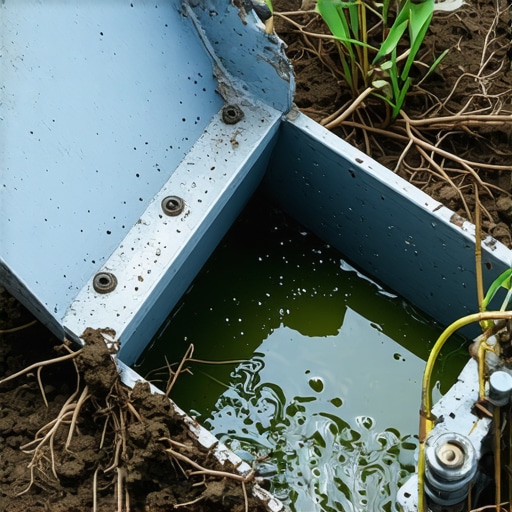
The Forensic Anatomy of a Flooded Irrigation Valve Box
A flooded underground valve box typically indicates a leaking solenoid valve, a cracked manifold, or hydrostatic pressure forcing groundwater into the housing. If water returns immediately after pumping it out, the issue is likely a high water table or poor site grading rather than a mechanical irrigation leak. Finding the specific source requires a systematic forensic approach to distinguish between environmental seepage and pressurized pipe failure.
I recently got called out to tear up a $30,000 patio that was sinking because the previous contractor ignored the drainage around the irrigation manifold. The box was essentially acting as a collection basin for the entire backyard. Because they didn’t use a proper gravel sump under the box, the silt-heavy soil saturated, turned into a slurry, and undermined the base of the adjacent pavers. It was a textbook case of how a simple irrigation component can destroy a massive hardscape investment. We had to excavate three feet down just to reach stable soil again. Don’t let a plastic box be the reason your landscape fails.
The Difference Between Seepage and Mechanical Leaks
Understanding the physics of water movement is critical when diagnosing a flooded box. Many homeowners assume a full box means a broken pipe. This is often false. You must determine if the water is entering from the bottom (groundwater) or spraying from a component (pressure leak). If the water is crystal clear and fills up even when the main line is shut off, you are looking at a drainage issue. If the water is bubbling or muddy while the system is under pressure, you have a mechanical failure. In a proper sod install, we grade the land so surface water moves away from these subterranean points. If your box is at the bottom of a slope, it will stay wet. This is basic civil engineering. Water follows the path of least resistance. Often, that path leads straight into your valve housing.
“A retaining wall doesn’t fail because of the stone; it fails because of the water trapped behind it.” – Hardscape Engineering Axiom
How to drain a flooded irrigation valve box?
To drain the box, use a manual hand pump or a small utility submersible pump. Once the water level is below the irrigation valves, wipe down the components with a rag. Watch the solenoids and the manifold unions closely for any weeping. If no visible spray is detected, wait ten minutes to see if the water begins rising from the soil floor. This identifies groundwater infiltration versus a pressurized leak. If the water remains gone, the issue was likely temporary surface runoff from a recent yard cleanup or heavy rain event.
The Technical Causes of Subterranean Flooding
There are four primary culprits for a flooded box. First is the weeping solenoid. Over time, the internal rubber diaphragm can develop a tear or accumulate grit from the well or city line. This prevents a total seal, allowing a constant trickle into the box. Second is the manifold crack. PVC Schedule 40 is strong but brittle. If the box wasn’t installed with a 4-inch deep bed of 3/4-inch washed stone, the weight of the box (or someone stepping on the lid) can press directly onto the pipe. This creates stress fractures. Third is the O-ring failure. Every threaded connection in that box is a potential point of failure. Fourth is hydrostatic pressure. In heavy clay soils, the excavation for the box creates a ‘bathtub effect’ where water collects and cannot percolate downward.
| Symptom | Likely Cause | Repair Action |
|---|---|---|
| Steady bubbling under pressure | Cracked Manifold or Fitting | Replace PVC section or manifold tee |
| Slow weep from top of valve | Loose Solenoid or Torn Diaphragm | Tighten or replace valve gut kit |
| Water rises only after rain | Poor Site Grading / Hydrostatic Pressure | Install French drain or raise box height |
| Damp soil but no standing water | Normal Condensation / Minor Seepage | Monitor; no immediate action required |
Why does my valve box fill up after it rains?
Your box fills after rain because the surrounding soil has reached a point of saturation, and the valve box provides a void for that excess water to collect. Without a landscaping drainage strategy, like a dry well or a gravel sump, the water has nowhere to go. This is common in regions with heavy clay where percolation rates are less than 0.5 inches per hour. You must address the grading to ensure water moves past the box rather than into it.
The Professional Installation Checklist
When my crew performs an irrigation install, we follow a strict protocol to prevent these ‘swamp boxes.’ Failure to follow these steps leads to root rot and component corrosion. Use this checklist during your next yard cleanup or system audit:
- Excavate Deep: Dig the hole 6 inches deeper than the bottom of the valves.
- Gravel Sump: Fill those 6 inches with 3/4-inch washed stone. No fines. No sand.
- Geotextile Fabric: Wrap the stone in filter fabric to prevent soil from clogging the drainage layer.
- Brick Support: Place bricks under the box corners so the weight rests on the earth, not the pipes.
- Wire Management: Use waterproof grease nuts for all wire connections to prevent short circuits in wet conditions.
- Root Flare Clearance: Ensure the box is at least 5 feet away from any large tree to prevent root intrusion from crushing the manifold.
“Soil compaction is the enemy of drainage; for every 10 percent increase in compaction, you lose 50 percent of your water infiltration capacity.” – Agronomy Manual Volume IV
Remediation: Fixing a Failing System
If you have identified a leak, do not just patch it with ‘leak tape.’ It will rot. You must cut out the damaged section and use a pro-grade expansion coupling or a new manifold union. If the problem is groundwater, you must raise the box. Dig it up and add two inches of height so the lid sits slightly above the grade of the new sod install. Create a gentle ‘mound’ around the box so water sheds away. This is not just about aesthetics. It is about protecting the electronic solenoids. Constant submersion will eventually bypass the seals on the wires and fry your irrigation controller. I have seen $500 controllers toasted because a $50 valve box was installed in a hole with no drainage. Do the work once. Do it right. Keep the mud out of your manifolds.