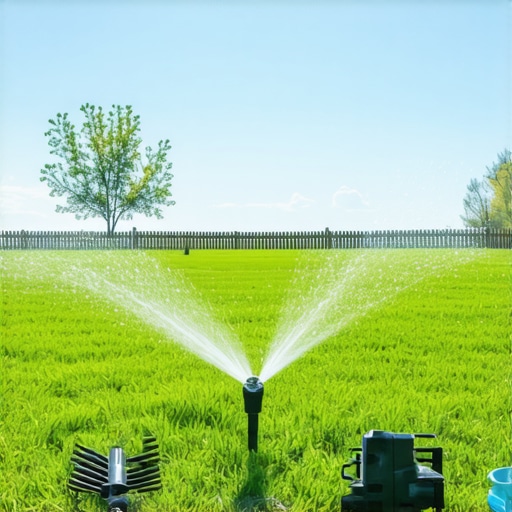
It was a moment I won’t forget—standing in my yard, staring at a sea of weeds and patchy grass, realizing I had completely neglected my outdoor space. The summer heat had taken its toll, and I felt overwhelmed by the sheer amount of work needed to bring my lawn back to life. I wondered, how did I let it get this bad? That lightbulb moment was my wake-up call. I understood that without a solid plan for irrigation and yard cleanup, I’d be fighting an uphill battle all season long. And I knew I wasn’t alone in this struggle.
Why Planning for 2025 Matters Today
The truth is, many of us are caught off guard when the seasons change. We’re busy, distracted, or just unsure where to start. But the reality is that 2025 is closer than we think—time flies, and the best time to prepare is now. Proper irrigation systems and effective yard cleanup strategies can transform your outdoor space into a lush, vibrant garden that’s the envy of the neighborhood. Plus, a well-maintained yard boosts curb appeal and even increases property value. Trust me, a little foresight goes a long way.
Early on, I made a mistake many homeowners do—I underestimated the importance of a tailored irrigation plan. I thought watering was just about turning on the hose and hoping for the best. Spoiler: that’s a recipe for uneven growth, water waste, and grass that looks more stressed than lush. By researching and investing in a professional irrigation system, I was able to save water and time, and my lawn has never looked better. Want to avoid my rookie mistakes? Keep reading.
Today, I’ll walk you through the top strategies to get your yard ready for 2025. From designing efficient irrigation systems to mastering yard cleanup, I’ll share practical tips that have worked for me and countless others. If you’ve ever faced a yard that looks more like a jungle than a garden, you’ll want to pay attention. The good news? With a clear plan, your yard can become the stunning outdoor sanctuary you’ve always dreamed of. Ready to get started?
Is Overhauling Your Yard Worth the Hype?
Some skeptics might wonder if all this effort really pays off. I get it—investment of time and money can seem daunting. But in my experience, the payoff is undeniable. A well-planned irrigation system and thorough cleanup can drastically reduce water bills, prevent disease, and promote healthy growth. Plus, it feels amazing to step outside into a yard that looks like a professional landscape. If you’ve ever been hesitant, consider this: the work you put in now will set the stage for a thriving yard in 2025 and beyond.
Looking back, I realize that one of my biggest early mistakes was neglecting to adapt my watering schedule to seasonal changes. I was inconsistent, which led to patchy grass and weeds taking over. Once I learned to adjust my irrigation and focus on targeted yard cleanup, everything changed. For more insights, check out this guide on irrigation tips. It’s a game-changer.
Now, I’m excited to share the specific steps that will help you transform your yard into a beautiful, healthy space for 2025. Are you ready to take the first step? Let’s dive into the essentials of irrigation and yard cleanup strategies that truly work.
Design Your Irrigation System for Efficiency and Growth
Start by mapping out your yard to identify high and low spots, which affect water flow. Use this map to plan zones in your irrigation system, ensuring even coverage. I once spent an afternoon with a hose and spray nozzle, testing different areas, and marking dry or overwatered spots. This hands-on approach revealed my sprinklers were uneven, leading me to upgrade to a professionally designed system. For optimal results, consider drip irrigation for flower beds and targeted watering for trees. Check out this guide on irrigation system design to refine your setup.
Implement Smart Controls to Save Water and Time
Integrate smart controllers that adjust watering schedules based on weather forecasts. It’s like giving your yard a brain—watering only when necessary. I installed a smart controller last spring, and it automatically skipped watering during rainy days, saving me hundreds of gallons of water. Set your system to run early mornings or late evenings, reducing evaporation loss. For detailed setup tips, visit this resource on irrigation strategies. This step ensures your yard gets consistent, efficient watering without manual effort.
Prepare Your Soil for Healthy Root Growth
Healthy roots are the foundation of a lush lawn. I aerated my yard to loosen compacted soil, which improved water absorption. Use a spike or plug aerator, working systematically across your yard. After aeration, amend the soil with compost or organic matter to boost nutrients and water retention. This process is like giving your yard a vitamin shot—vital for robust growth. For expert advice on soil prep, explore this cleanup and soil improvement guide.
Clear Debris and Overgrowth for a Clean Slate
Remove leaves, sticks, and weeds that compete with your grass and plants. I once spent a weekend raking and pulling weeds, which revealed patches of healthy soil beneath. Use a leaf blower for large debris and a hand weeder for stubborn weeds. Trim overgrown bushes and prune trees to promote air circulation and prevent disease. This cleanup is like resetting your yard’s health—removing the clutter allows new growth to thrive. Check out this comprehensive cleanup strategy for more tips.
Lay Down Fresh Sod or Overseed for Instant Impact
If your lawn has bare patches or is patchy, consider overseeding or laying new sod. I opted for sod, which transformed my yard in just a weekend. Prepare the soil by raking and leveling, then lay the sod pieces tightly together. Water immediately after installation and keep the soil moist until roots establish. For best practices, see this guide on sod installation. Proper prep and timely watering ensure your new lawn takes root quickly and looks vibrant.
Consistent Maintenance to Sustain Your Progress
Finally, develop a routine for ongoing care. Check your irrigation system monthly for leaks or clogs. Mow at the right height—usually around 3 inches—to promote healthy growth. Fertilize according to your grass type and season. Remember, yard care is an ongoing journey, not a one-time project. Regular attention keeps your yard lush and prevents future problems. For detailed maintenance routines, visit this maintenance checklist. With consistent effort, your yard will remain a beautiful showcase well into 2025 and beyond.
Many homeowners, when tackling yard improvement projects, fall prey to misconceptions that can hinder progress and lead to costly mistakes. Let’s dig deeper into some of the most common myths about yard irrigation and cleanup, and uncover the truths that can help you achieve a truly lush and healthy outdoor space.
Why Do Most People Get Irrigation Wrong
A prevalent mistake is believing that more water always equals a healthier lawn. In reality, overwatering can suffocate roots, promote fungal diseases, and waste resources. Proper irrigation isn’t just about quantity; it’s about timing, coverage, and water quality. For example, many assume that running sprinklers longer will better water their yard, but this often leads to runoff and uneven moisture. An expert irrigation strategy emphasizes zone design, smart controls, and seasonal adjustments—nuances that make all the difference.
Another misconception is that DIY systems are just as good as professional designs. While DIY can work for small yards, complex or larger properties benefit from expert planning to ensure even coverage and water efficiency. Skimping on system design can result in dry patches, water waste, and increased maintenance costs.
What About Yard Cleanup
Many assume that yard cleanup is simply raking leaves and pulling weeds. While these tasks are part of it, the real nuance lies in understanding soil health, proper pruning, and debris removal that promotes airflow and prevents disease. Neglecting these details can lead to overgrown, unhealthy plants that are more susceptible to pests and weather damage.
For instance, pruning should be strategic—cutting back too much or at the wrong time can stress plants or inhibit growth. Similarly, leaving organic debris can attract pests or foster mold. An advanced cleanup approach involves understanding plant cycles and soil conditioning, not just surface tidying.
Are There Hidden Risks in Common Practices?
Absolutely. Overly aggressive weed pulling can disturb soil structure, making it harder for roots to establish. Excessive fertilization without soil testing can cause nutrient runoff and pollution. And using generic irrigation timers without seasonal adjustments wastes water during rainy periods or droughts.
Research from the University of California Cooperative Extension highlights that tailored watering schedules and integrated yard care practices lead to more sustainable results. It’s essential to see these activities as interconnected parts of a comprehensive strategy rather than isolated tasks.
Have you ever fallen into this trap? Let me know in the comments. Implementing nuanced, expert-driven approaches to yard irrigation and cleanup can elevate your outdoor space from average to exceptional. Remember, the devil is in the details, and understanding these common misconceptions is your first step toward a thriving lawn in 2025.
Maintaining a lush, healthy lawn over time requires the right tools and a structured approach to upkeep. From irrigation systems to soil testers, investing in quality equipment ensures your yard remains vibrant without constant guesswork. One of my go-to tools is a **digital soil moisture meter**, which provides real-time data on moisture levels. This allows me to fine-tune my irrigation schedule precisely, avoiding over- or under-watering. Over time, this not only conserves water but also promotes healthier root growth, making my lawn more resilient.
Another essential is a **high-quality aerator**. I prefer a plug aerator over spike aerators because it removes cores of soil, relieving compaction and improving water and nutrient penetration. Regular aeration—at least once a year—keeps the soil healthy and invites beneficial microbes that bolster plant growth. For ongoing maintenance, I rely on a **drop-style spreader** for even fertilizer application, ensuring my turf gets the nutrients it needs without waste or runoff.
When it comes to irrigation, smart controllers are game-changers. I personally use a **Wi-Fi-enabled sprinkler system** that integrates weather data, adjusting watering times and amounts automatically. This trend is only going to grow, with more advanced AI-driven systems predicting rainfall and soil conditions more accurately. Investing in such technology now makes future upgrades seamless and maximizes efficiency.
To keep everything running smoothly, I schedule monthly inspections of my irrigation components and pruning tools. Regular checks prevent leaks, clogs, or broken parts from causing bigger issues down the line. A **maintenance kit** with spare nozzles, filters, and connectors is also invaluable—saving me time and money when quick fixes are needed.
Looking ahead, I believe the trend is moving toward fully integrated smart yard systems that combine irrigation, soil health monitoring, and even pest control. As these technologies become more affordable, maintaining a thriving lawn will be less about manual effort and more about data-driven decisions. To get started, try upgrading your current system with a smart controller and see how it transforms your maintenance routine. You might be surprised at how much easier and effective lawn care can become.
How do I maintain my yard tools and equipment over time? The key is regular cleaning, lubrication, and storage. After each use, wash off dirt and debris, especially from the nozzles and blades. Applying a light oil to moving parts prevents rust and keeps tools functioning smoothly. Store equipment in a dry, sheltered space, and perform seasonal inspections to replace worn parts before they cause failures. This simple routine extends the lifespan of your tools and ensures they’re ready when you need them most.
By investing in quality equipment and maintaining it properly, you’ll set the stage for a lush, thriving yard in 2025 and beyond. Remember, the right tools combined with consistent care make all the difference. Ready to upgrade? Explore options like smart irrigation controllers and soil testers to elevate your yard maintenance game today!
For more tips on yard cleanup and equipment, check out this comprehensive guide.
3 Lessons That Changed My Yard Game
- Realizing that overwatering can do more harm than good was a game-changer. Proper timing and zone design saved my lawn from fungal issues and water waste.
- Investing in a smart irrigation controller was worth every penny. It adapted my watering schedule to weather changes, keeping my yard healthy without manual effort.
- Soil health is the foundation of a lush lawn. Aeration combined with organic amendments dramatically improved root growth and drought resilience.
My Top Tools to Keep Your Yard Thriving
- Digital soil moisture meter: Offers real-time data, helping me avoid guesswork and optimize watering.
- Plug aerator: Loosens compacted soil, promoting better water and nutrient absorption—crucial for a healthy yard.
- Wi-Fi-enabled sprinkler system: Automates watering based on weather forecasts, saving water and time.
- Comprehensive maintenance kit: Includes spare nozzles and filters, ensuring my irrigation system runs smoothly year-round.
Embrace the Future of Yard Care Today
Getting your yard ready for 2025 isn’t just about quick fixes—it’s about strategic planning and smart technology. Start with the right tools and informed decisions, and watch your outdoor space transform into a lush paradise. Remember, consistent effort and learning from experience will keep your lawn beautiful for years to come. Are you ready to take the first step towards a thriving yard? Share your biggest challenge below and let’s tackle it together!