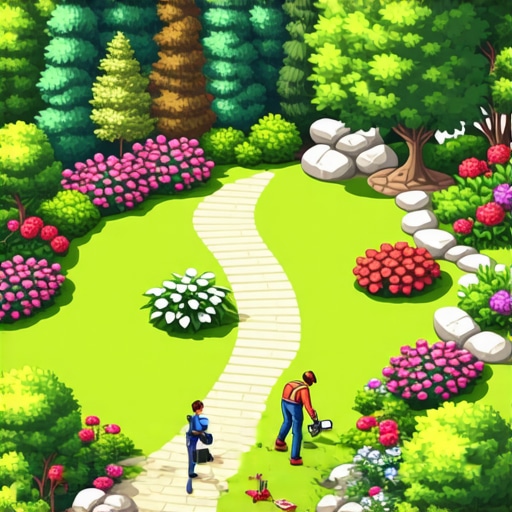
I remember the first time I looked out at my overgrown backyard, feeling a wave of frustration and helplessness. It was a Saturday morning, and instead of enjoying a peaceful weekend, I was staring at a jungle of weeds, fallen leaves, and neglected flower beds. That lightbulb moment made me realize how much a cluttered yard can dampen the joy of outdoor living. I knew I needed a plan, but where to start? If you’ve ever faced that overwhelming mess, you’re not alone. The good news is that with some expert advice and a few strategic steps, transforming your yard into a lush, inviting space by 2025 is entirely doable. Today, I’ll share proven yard cleanup and landscaping ideas that have worked wonders for me—and can do the same for you.
Why Now Is the Perfect Time to Revamp Your Garden
Spring and early summer are ideal for yard makeover projects. The weather’s warming up, and plants are beginning to thrive. Plus, starting early means you’ll enjoy your upgraded outdoor space all season long. But the real reason to act now is that delaying can turn small problems into major headaches—overgrown grass, invasive weeds, and damaged landscaping can become permanent if neglected. According to the National Gardening Association, a well-maintained yard not only boosts curb appeal but also increases property value. That’s a win-win! If you’ve been putting off yard cleanup because it feels daunting, I get it. I made the mistake early on of thinking that I could tackle everything in a weekend. Spoiler: I couldn’t. But breaking the process into manageable steps made all the difference. And I want to help you avoid that initial mistake. If you’ve ever wondered whether investing time in yard cleanup is worth it, I’ll tell you—absolutely. The payoff is a stunning garden that’s both functional and beautiful.
Is It Really Necessary to Hire Professionals?
Many skeptics ask if expert landscaping and cleanup are just fancy marketing hype. Honestly, I used to think I could handle it myself. My first attempt at a major cleanup was a disaster—missing hidden debris, overestimating what I could do in a day, and ending up more exhausted than satisfied. That’s when I learned that partnering with professionals for tasks like lawn aeration, pruning, or installing new sod can save time and ensure quality results. For instance, a proper lawn renovation, including expert sod installation, can instantly elevate your yard’s appearance. Check out this professional sod installation tips that I used to get a lush, healthy lawn by summer’s end. Remember, even small investments in expert yard care can have a big impact on the final look and health of your garden.
Clear the Clutter for a Fresh Start
Begin by removing all debris, fallen branches, and weeds. I recall a weekend I set aside to clear my backyard, armed with a rake and trash bags. The first hour was messy—leaves and old mulch everywhere—but by midday, I had a clean slate. This step makes it easier to assess what needs planting or fixing. Use a sturdy rake to gather leaves and a wheelbarrow for debris. If the soil looks compacted, consider aerating it to improve water absorption and root growth. Check out this professional yard cleanup guide for detailed tips on debris removal and soil prep.
While it might seem straightforward, many homeowners stumble over nuanced pitfalls during yard cleanup that can sabotage their efforts. One of the most persistent myths is that more aggressive clearing always leads to a better garden. In reality, removing too much organic matter at once can strip essential nutrients and disturb the soil’s natural balance. Experts emphasize that a gradual approach, which includes mulching and selective pruning, better supports the ecosystem of your yard and promotes healthier plant growth. For example, instead of ripping out all old mulch, consider composting it or reusing it in other garden areas to enrich your soil over time.
Another common mistake is neglecting soil testing before embarking on major landscaping projects. Many think that simply adding fertilizer will solve poor plant health, but without understanding your soil’s pH and nutrient levels, you might be doing more harm than good. The best practice involves testing and amending your soil first, ensuring your plants have a solid foundation to thrive. Skipping this step can lead to over-fertilization or nutrient deficiencies, which are costly and frustrating to fix later.
Why Do Some Landscaping Efforts Fail Despite Good Intentions?
Many people underestimate the importance of proper planning and site assessment. For instance, planting a lush lawn without considering sunlight exposure, drainage, or wind patterns often results in poor growth or disease. Advanced gardeners know that a detailed site analysis helps in choosing the right plants and layout, saving time and money. A misstep here is choosing the wrong grass type for your climate, which can lead to increased water usage and maintenance. Consulting with professionals or referencing expert guides, like this comprehensive guide, ensures your efforts align with your local conditions.
Finally, a significant trap is ignoring the importance of proper irrigation. Overwatering can drown roots, while underwatering causes drought stress. Many think that watering on a fixed schedule is enough, but the reality is that soil moisture varies with weather, season, and plant type. Installing a smart irrigation system or regularly checking soil moisture levels can prevent these issues. Remember, the goal is to mimic natural rainfall, which requires understanding your yard’s specific needs. This nuanced approach can dramatically improve your yard’s health and appearance over time.
Have you ever fallen into this trap? Let me know in the comments!
Investing in the Right Equipment for Long-Term Success
Maintaining your garden’s health and beauty over time requires more than just a green thumb; it demands the right tools and consistent effort. Personally, I rely on a few essential pieces of equipment that have transformed my yard maintenance routine. For starters, a high-quality oscillating lawn mower with adjustable height settings helps me keep my grass at the perfect length without damaging the roots. I prefer models with mulching capabilities, which recycle clippings back into the soil, enriching it naturally. This approach not only reduces waste but also minimizes the need for chemical fertilizers.
Another indispensable tool is a durable, ergonomic pruning shear. I use these for regular trimming of shrubs and deadheading flowers. Sharp blades and comfortable grips make the job easier and prevent plant damage. Investing in a telescoping pruning saw has also been a game-changer for reaching higher branches without ladder work, ensuring safety and efficiency. Proper pruning promotes healthy growth and keeps your landscape looking tidy year-round.
How do I maintain my gardening tools over time?
Cleaning and sharpening your tools after each use extends their lifespan and maintains their effectiveness. I keep a simple sharpening stone nearby and dedicate a few minutes after gardening to hone the blades. Lubricating moving parts with light oil prevents rust and keeps everything functioning smoothly. Regularly inspecting your tools for damage allows you to replace or repair components before they break during critical jobs. These small maintenance steps save money and ensure your tools are always ready for the next project.
Smart Irrigation Systems and Software
Watering correctly is crucial for a healthy yard, and technology has made this easier than ever. I recommend investing in a smart irrigation system that integrates with weather forecasts and soil moisture sensors. For example, my system automatically adjusts watering schedules based on rain predictions, preventing overwatering and conserving water. These systems often come with user-friendly apps that allow you to monitor and control watering from anywhere, giving you peace of mind even when you’re away.
Predicting future trends, I believe smart irrigation will become more sophisticated, incorporating AI-driven analytics to optimize water use further. This will help gardeners tailor watering schedules precisely to plant needs, soil conditions, and weather patterns, fostering more sustainable gardening practices.
How do I keep my irrigation system functioning flawlessly?
Regularly check for clogged emitters, leaks, and battery life if your system uses batteries. I schedule monthly inspections and calibration to ensure even coverage and efficient water use. Using a backflow preventer is also vital to protect your water supply from contamination. Additionally, upgrading to drip irrigation in flower beds reduces waste and provides targeted hydration. Consistent maintenance of your irrigation system not only conserves resources but also promotes lush, thriving plants throughout the seasons.
Finally, I strongly encourage you to try integrating soil moisture sensors with your irrigation system. This small upgrade can lead to healthier plants and significant water savings, making it a smart investment for your garden’s future. For detailed guidance, check out this expert irrigation system design tip.
By selecting the right tools and adopting smart maintenance routines, you can ensure your garden remains vibrant and healthy for years to come. Remember, consistency is key, and leveraging technology can make the process more efficient and enjoyable. Start with one or two upgrades today, and watch your yard flourish into the lush landscape you’ve always envisioned.
The Unexpected Lessons from My Yard Revival Journey
- Sometimes, the biggest breakthroughs come from the smallest realizations. I used to neglect soil testing, assuming fertilizer alone would fix my garden’s problems. Once I tested and amended my soil, I saw a dramatic improvement in plant health, proving that understanding your yard’s foundation is crucial.
- Overconfidence can lead to costly mistakes. My attempt to clear everything at once resulted in stripping vital nutrients. Gradually removing debris and mulching helped me nurture my soil naturally, which I wish I had known earlier.
- Partnering with professionals isn’t a sign of weakness but a smart move. Tasks like sod installation and soil aeration, when done by experts, saved me time and effort while boosting my yard’s appeal. Trusting the right tools and experts is key to a successful yard transformation.
My Favorite Tools and Resources for a Lush Yard
- Professional sod installation tips: For a vibrant lawn, I relied on these expert guidelines. They helped me choose the right sod and install it properly, ensuring long-lasting green coverage.
- Soil testing kits: Accurate results from trusted brands like LaMotte or NutriSense allowed me to understand my soil’s pH and nutrients, guiding precise amendments.
- Smart irrigation systems: Investing in automation, like these systems, drastically reduced water waste and kept my plants thriving without constant manual oversight.
- Landscaping books: “The Well-Designed Landscape” by Tracy DiSabato-Autry opened my eyes to effective planning and plant selection, transforming my approach to yard design.
Seize Your Garden’s Potential Today
Every yard has the potential to become a personal oasis with the right care and knowledge. Don’t wait for the perfect moment—start now, experiment, and learn. Your 2025 garden can be a reflection of your dedication and creativity. Remember, small consistent efforts lead to stunning results. Ready to dig in and make your outdoor space extraordinary? Share your biggest yard challenge below, and let’s grow together!