
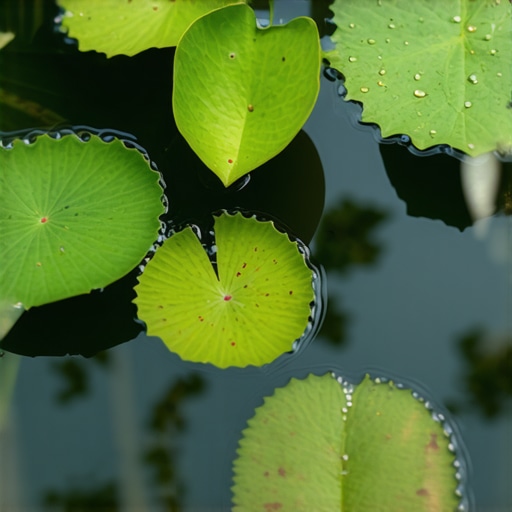
The Biology of Algae Blooms in Ornamental Ponds
Pond algae thrives on excess nitrates, high phosphate levels, and unfiltered sunlight hitting the water column. By introducing specific floating aquatic plants, you create a biological canopy that starves algae of light and nutrients, effectively resetting the ecosystem’s nitrogen cycle without harsh chemical intervention. Most homeowners treat algae as a cosmetic issue, but as someone who has been in the mud for twenty years, I can tell you it is a structural failure of your pond’s bio-load management. If your water looks like pea soup, you have a chemical imbalance, not just a dirty pond.
I always drill into my new crew members: if you don’t fix the soil grading first, every plant you put in the ground is just expensive compost. It is the same with ponds. I once saw a client spend five thousand dollars on high-end filtration, only to have the entire system choked out because their irrigation system was washing fertilizer from a recent sod install directly into the water. We had to re-engineer the entire yard cleanup protocol just to stop the nitrogen spikes. If you ignore the nutrient input from runoff, you are just building a chemical-dependent soup bowl. You cannot out-filter bad physics.
“A retaining wall doesn’t fail because of the stone; it fails because of the water trapped behind it.” – Hardscape Engineering Axiom
Secret #1: Water Hyacinth (Eichhornia crassipes)
Water Hyacinth acts as a biological sponge that aggressively strips dissolved nitrogen and phosphorus from the water through its dense, feathery root system. These plants are the heavy lifters of the aquatic world, capable of doubling their population in as little as two weeks under high-nutrient conditions. The root structure provides massive surface area for nitrifying bacteria to colonize, which is critical for converting toxic ammonia into nitrates that the plants then consume. [image_placeholder]
When you are dealing with a pond that has zero shade, Water Hyacinth is your best defense. The broad, waxy leaves provide a physical shield against UV penetration. Algae needs light for photosynthesis; if you block 60% of the surface area, you kill the algae’s energy source. However, you must manage these plants. They are prolific. In some regions, they are classified as invasive for a reason. You have to thin them out every two weeks during the peak growing season. If they cover 100% of the surface, you risk an anaerobic environment where gas exchange stops and your fish suffocate. It is about balance, not total dominance.
How much surface area should floating plants cover in a pond?
To effectively manage algae growth and maintain oxygen levels, you should aim for 60 to 70 percent coverage of the pond’s surface. This ratio provides enough shade to prevent UV-induced algae blooms while leaving sufficient open water for essential atmospheric gas exchange and fish visibility.
Secret #2: Water Lettuce (Pistia stratiotes)
Water Lettuce provides superior light filtration and shelter for fry, making it the primary choice for ponds with high fish populations and heavy sunlight exposure. Unlike the hyacinth, Water Lettuce has a velvety, ribbed leaf structure that stays low to the water. Its roots can grow up to 12 inches long, creating a massive biological filter that traps suspended solids. This is essentially a natural yard cleanup for your water column, pulling out the fine particulates that mechanical filters often miss.
I’ve seen contractors try to replace biological filtration with massive UV sterilizers. That is a hack move. A UV light kills the algae, but it leaves the dead organic matter in the water to rot, which just fuels the next bloom. Water Lettuce actually removes the fuel. When you pull a handful of overgrown lettuce out of the pond and toss it into your compost pile, you are physically removing nitrogen from your ecosystem. That is the only way to win the long-term war against green water.
| Plant Species | Nutrient Uptake Rate | Sun Requirement | Maintenance Level |
|---|---|---|---|
| Water Hyacinth | Very High | Full Sun | High (Aggressive Grower) |
| Water Lettuce | High | Part Shade to Sun | Moderate |
| Amazon Frogbit | Moderate | Full Sun | Low |
Secret #3: Amazon Frogbit (Limnobium laevigatum)
Amazon Frogbit offers a low-profile solution for smaller ponds or those with high-flow irrigation returns, as it is less likely to be tossed around by surface agitation than larger floaters. Its leaves are smaller, resembling miniature lily pads, but the root system is surprisingly robust. It is the perfect “gap filler” for the edges of your pond where larger plants might look cluttered. It is hardy and can handle slight temperature fluctuations better than the more tropical options.
The secret with Frogbit is the hydrostatic pressure of the root zone. It creates a calm micro-climate underneath the leaves that encourages the growth of beneficial zooplankton. These tiny organisms eat the single-celled algae that cause water turbidity. You aren’t just using plants to shade the water; you are building a multi-tiered predatory ecosystem that hunts algae at the microscopic level. Don’t let its size fool you. It is a workhorse.
Can floating plants survive winter in a backyard pond?
Most floating plants like Water Hyacinth and Water Lettuce are tropical perennials and will die if exposed to hard freezes or water temperatures below 50 degrees Fahrenheit. In colder climates, they must be treated as annuals or moved to an indoor tank with supplemental lighting to survive until spring.
“Phosphorus is often the limiting nutrient in freshwater systems; reducing its concentration is the most effective way to control nuisance algae.” – Penn State Agricultural Extension
The Ground-Up Build: Implementing Your Floating Filter
Before you toss a single plant into your pond, you need to check your water chemistry. I have seen guys dump plants into a pond with a pH of 9.0 and wonder why they turned yellow and died in three days. High pH is common in new concrete ponds or those with fresh hardscaping that hasn’t been properly sealed. The lime leaches out and spikes the alkalinity. You need a pH between 6.5 and 7.5 for these floaters to thrive. If your water is off, the plants can’t process nutrients, and the algae wins by default.
- Step 1: Check for Runoff. Ensure no lawn fertilizers are washing into the pond during rain.
- Step 2: Quarantine New Plants. Rinse them in a weak potassium permanganate solution to kill any hitchhiking snails or parasites.
- Step 3: Manage Surface Coverage. Start with 20% coverage and let them grow into the 60% target.
- Step 4: Regular Thinning. Remove the oldest, yellowing plants every week to keep the nutrient uptake at peak efficiency.
- Step 5: Monitor Dissolved Oxygen. If you see fish gasping at the surface at dawn, remove some plant cover immediately.
Remember, landscaping is applied biology. You are managing a living, breathing system. If you treat your pond like a bathtub, it will fail. If you treat it like a wetland, it will stay crystal clear. Stop looking for the magic chemical in a bottle at the big-box store. Use the biology that nature already perfected. It is cheaper, safer, and it actually works. No shortcuts. Just science.