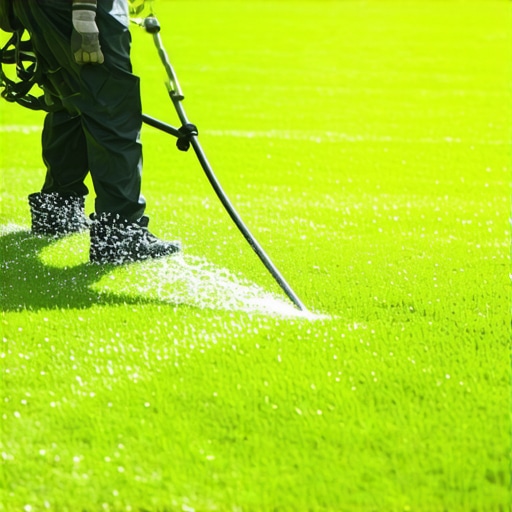
I remember the first time I tried to lay down sod myself. It was a hot summer weekend, and I thought, “How hard can this be?” I spent hours trying to make everything perfect, only to end up with uneven patches and a lawn that looked more like a patchwork quilt than a lush, green paradise. That lightbulb moment hit me hard: without proper irrigation and expert installation techniques, even the best sod can struggle to thrive. Now, I know better, and I want to share that knowledge with you.
Why Getting It Right Matters Now More Than Ever
As we move closer to 2025, the demand for a vibrant, healthy lawn is higher than ever. But here’s the truth: a beautiful yard doesn’t happen by chance. It requires strategic planning, quality materials, and most importantly, the right irrigation system. Believe me, I’ve learned this the hard way. Early on, I made the mistake of neglecting proper watering—thinking watering once a day was enough. It’s a common mistake, but one that can ruin your sod investment. Did you know that improper irrigation is responsible for nearly 50% of lawn failures? (Source: Urban LandscapingX)
Have You Faced This Common Sod and Irrigation Problem?
If you’ve ever struggled with patchy grass, uneven growth, or dry spots even after laying sod, you’re not alone. I’ve been there. The good news is, with the right approach, you can avoid these pitfalls and achieve a stunning yard. Today, I’ll guide you through proven strategies for professional sod installation and irrigation solutions that will make your lawn the envy of the neighborhood.
Stay tuned. We’re about to get into the nitty-gritty of creating a lush, thriving lawn that lasts for years to come. Ready to turn your yard into a masterpiece? Let’s go!
Lay a Solid Foundation with Proper Soil Preparation
My first attempt at sod installation was a muddy mess because I skipped soil prep. I learned quickly that removing weeds, roots, and debris is essential. Use a rototiller to loosen the soil to a depth of about 4-6 inches. Mix in compost or topsoil to improve drainage and nutrients. This creates a hospitable environment for your sod to root deeply and thrive, much like preparing a bed before planting seeds. Ensuring the soil is level and firm prevents uneven patches and water pooling, setting the stage for success.
Precise Sod Laying Techniques
When I laid my sod, I staggered the seams like bricks—this pattern prevents gaps and overlaps. Start along a straight edge, unroll the sod, and press it firmly into the soil with a roller or your feet. Avoid stretching the sod during installation; instead, fit it snugly without forcing. Overlap seams slightly and stagger joints in adjacent rows to minimize gaps. This careful approach leads to a seamless, lush carpet that looks professional. Remember, the key is to work quickly to prevent the sod from drying out before it takes root.
Water Deeply and Consistently
I used to water my lawn lightly every day, but I quickly saw the signs of stress—dry patches and slow growth. Instead, I adopted deep watering, soaking the soil to a depth of 6-8 inches. Use a sprinkler or irrigation system set to run for 30-40 minutes, early in the morning. This encourages the roots to grow downward, making the lawn more drought-resistant. During the first two weeks, keep the sod moist but not waterlogged, gradually reducing frequency as roots establish. Proper watering is like giving your lawn a healthy drink—essential for longevity.
Install an Efficient Irrigation System
During my second attempt, I invested in a programmable sprinkler system. I chose pop-up spray heads that provided even coverage and set the system to water twice daily—early morning and late evening. Using zones allows you to target specific areas with different needs, avoiding overwatering or underwatering. I also added a rain sensor to prevent unnecessary watering during rainstorms. For detailed planning, I consulted this comprehensive guide. An effective irrigation plan reduces water waste and ensures your sod gets the consistent moisture it needs to establish roots quickly.
Regular Yard Cleanup and Maintenance
Post-installation, I realized that debris and weeds can undermine my efforts. Regular yard cleanup involves removing leaves, sticks, and weeds that compete with the new sod. I used a rake to clear debris and a weed barrier in high-traffic areas. Trimming edges and aerating the soil occasionally helps oxygen and nutrients reach the roots. Consistent maintenance prevents pests and diseases from taking hold. For expert tips, check out yard cleanup strategies that keep your lawn pristine and thriving.
Monitor and Adjust for Optimal Growth
In my experience, the key is observation. Watch for dry spots, uneven growth, or pests. Adjust your watering schedule accordingly, and consider soil testing if problems persist. A healthy lawn in 2025 isn’t just about initial effort; it’s about ongoing care tailored to your yard’s specific needs. Use a moisture meter to gauge soil health and ensure your irrigation system is functioning correctly, as described in this expert resource. Proper monitoring guarantees your investment pays off with a vibrant, resilient lawn.
Many homeowners dive into sod installation believing they can handle it with basic knowledge, but the reality is more nuanced. A prevalent myth is that watering frequently with light doses encourages faster root growth. In truth, deep, infrequent watering promotes healthier roots and drought resilience. Overwatering not only wastes water but can lead to root rot and fungal diseases, undermining your efforts. For a comprehensive guide on irrigation best practices, check out this expert resource.
Another common misconception is that soil preparation is optional if the ground looks decent. This can be a costly mistake. Failing to remove weeds, debris, and compacted soil hampers sod rooting and can lead to uneven growth. Proper soil tilth and nutrient mix set a solid foundation. I learned this the hard way, and now I always prioritize thorough soil prep. Landscaping tips emphasize this crucial step.
Is Your Irrigation System Overkill or Underperforming
Many assume that more watering or a complex system guarantees lush lawns. However, overly aggressive watering schedules or poorly designed systems can cause more harm than good. Zones should be tailored to soil type and sun exposure, and rain sensors prevent unnecessary watering. Investing in a professional irrigation design tailored to your yard’s specifics can save water and promote healthier sod. Learn more about effective irrigation systems.
Yard cleanup often gets underestimated. Removing debris and weeds regularly is vital, but many overlook that neglecting aeration and soil testing can lead to compaction and nutrient deficiencies. These issues slow root development and reduce drought tolerance. A proactive approach involves scheduled aeration, fertilization, and soil testing, as highlighted in yard cleanup strategies.
Have you ever fallen into this trap? Let me know in the comments. Remember, mastering the nuances can turn your lawn from mediocre to magnificent, saving you time, water, and money in the long run.
Maintaining your sod installation and irrigation system over time is crucial to ensure a lush, healthy lawn that lasts for years. One of my favorite tools for ongoing yard care is a high-quality moisture meter. Unlike basic soil probes, a digital moisture meter provides precise readings of soil moisture at various depths, helping me adjust watering schedules more accurately. I’ve found that using a moisture meter saves water and prevents over- or under-watering, which can stress or weaken your turf.
Another indispensable piece of equipment is a leaf blower. Regularly clearing debris from your yard prevents pests and diseases from taking hold. I prefer a cordless electric blower for its ease of use and quiet operation, especially when working around flower beds and shrubs. Keeping your yard clean not only enhances curb appeal but also maintains an optimal environment for sod roots to establish and grow.
When it comes to irrigation, investing in a programmable controller is a game-changer. I rely on a smart irrigation controller that connects to weather data, adjusting watering times based on rainfall and temperature. This automation ensures your lawn gets the right amount of water without wasting resources. For the best results, I recommend setting zones based on sun exposure and soil type, as detailed in this guide.
In addition to tools, maintaining your system requires periodic inspection of sprinkler heads and pipes. I keep a small wrench handy to fix or replace heads that become clogged or misaligned. Regularly checking the system for leaks or broken parts prevents water waste and ensures even coverage. I do this at least once a season, especially after winter, to catch issues early. A well-maintained irrigation system reduces water bills and promotes a resilient lawn.
Looking ahead, the trend is moving toward more integrated smart landscape management. Technologies like soil sensors, weather forecasts, and AI-driven controllers will become standard, making yard maintenance more efficient and environmentally friendly. By adopting these advanced tools now, you set your yard up for long-term success and sustainability.
How do I keep my lawn system functioning smoothly over time?
The key is regular maintenance and proactive adjustments. Schedule seasonal inspections, clean and repair sprinkler heads, and recalibrate your controller as needed. For ongoing guidance, these expert strategies can help you stay ahead of issues. Don’t forget to document your care routines and system settings—this makes troubleshooting easier and ensures consistent results.
Try implementing a moisture meter and a smart controller this season. These tools will optimize your watering, save resources, and keep your sod thriving year-round. Remember, consistent care and the right equipment are your best allies in maintaining a beautiful, enduring lawn.
The Hardest Lesson I Learned About Sod and Irrigation
One of my biggest realizations was that skipping soil preparation can doom your entire sod project. I initially thought a quick level and lay would suffice, but I learned the hard way that a well-tilled, debris-free bed is essential for deep root growth and uniform appearance. This lesson taught me that investing time in soil prep saves future headaches and costly rework.
3 Myths About Lawn Success That Cost Me Time and Money
Believing that frequent, light watering speeds up root development was a mistake I made early on. I now understand that deep, infrequent watering promotes healthier roots and drought resilience. Overwatering can lead to root rot and fungal issues, which set me back months. Debunking this myth changed my entire approach to irrigation, making my lawn more sustainable.
What Experts Won’t Tell You About Yard Maintenance
Regular aeration and soil testing are often overlooked by homeowners eager to get their lawns green fast. I realized that neglecting these steps leads to soil compaction and nutrient deficiencies that stunt root growth. Incorporating these expert strategies has transformed my yard into a lush, resilient space that requires less water and fewer chemicals.
Curated Resources for Lawn Excellence
My essential toolkit includes the Ultimate Guide to Sod and Irrigation, which provides comprehensive, step-by-step instructions I trust for its clarity and expert advice. I also rely on yard cleanup strategies from seasoned landscapers that help me maintain my yard’s health and appearance. For ongoing irrigation planning, this system design resource is invaluable, ensuring water efficiency and even coverage.
Embrace the Future of Lawn Care Today
Achieving a lush, thriving lawn in 2025 isn’t just about following a routine—it’s about adopting smarter, more efficient practices. With the right soil prep, irrigation system, and ongoing maintenance, you can create a yard that not only looks stunning but also withstands the test of time and weather. Your lawn’s health is a reflection of your care, so don’t be afraid to experiment with new tools or techniques. Start today, and watch your yard transform into your personal paradise.
Have you ever struggled with a specific step in sod installation or irrigation? Share your experience below and let’s learn from each other’s journeys to lawn perfection!
Reading about your experience really resonated with me—especially the part about soil preparation. I learned early on that skipping this step often leads to uneven growth and patchy patches, which is frustrating after all the effort. I started incorporating soil testing and am now adding compost mixed with topsoil to boost drainage and nutrients. It makes a huge difference! Also, I used to think watering more frequently helped, but now I realize that deep, infrequent watering actually encourages stronger root development. Have you tried soil amendments or specific watering schedules to optimize your lawn? I would love to hear what’s been most effective for others, especially with the new irrigation techs. Achieving a lush, resilient lawn in 2025 sounds like a realistic goal once these foundational steps are prioritized. It’s intriguing how smart tech, like rain sensors and zoned irrigation, can further enhance these efforts, saving water and reducing waste. Any tips on integrating these systems smoothly would be appreciated! Thanks for sharing such detailed insights—they motivate me to refine my approach even more.
Your post really hits home for me, especially since I’ve gone through similar struggles trying to get my lawn just right. I completely agree that proper soil preparation is often overlooked but is absolutely crucial to the success of sod laying. I’ve recently started using soil testing kits before each project, which has helped me identify nutrient deficiencies and soil pH imbalances. Mixing in compost not only enhances drainage but also boosts microbial activity, leading to healthier root systems. As for watering schedules, I lean towards deep, infrequent watering, especially during the establishment phase, to encourage strong root growth—something I learned from a horticulturist.
What’s been your experience with integrating smart irrigation controllers? I’ve been thinking about upgrading my system to include zone-specific watering and weather sensors. Do you find that these tools really make a difference in water savings and lawn health? It’s exciting to see how technology can optimize our yard care efforts. Thanks for sharing such a detailed and insightful post; it’s inspired me to refine my approach and perhaps experiment with more advanced irrigation strategies.
This post really resonates with my recent lawn project. I underestimated the importance of soil preparation initially, rushing into sod laying without proper groundwork, which led to uneven patches and dry spots. Learning to loosen the soil, incorporate compost, and ensure a level surface made such a difference. I’ve also started using a programmable irrigation system with rain sensors, and honestly, the water savings and healthier grass have exceeded my expectations. Does anyone have recommendations for maintaining these systems over time? I’d love to hear how others troubleshoot common issues or improve their setup for even better results. It’s incredible how a little extra planning and technology can transform a yard from patchy to lush. Looking forward to refining my approach further with these insights!
Reading through your experience really highlights the importance of detailed planning and proper soil prep in achieving a healthy lawn. I totally agree that skipping soil preparation can lead to uneven growth and frustrating results. I’ve also started using soil testing kits and am mixing in organic compost, which has noticeably improved my sod’s growth and resilience. The mention of deep, infrequent watering really resonates; I’ve found that setting my irrigation to water early in the morning for longer periods helps develop stronger, more drought-resistant roots. Regarding technology, I’ve recently installed a zone-specific smart irrigation system with rain sensors, and the difference it makes in water savings and lawn health is remarkable. I wonder—have others found that these advanced systems require regular calibration or maintenance to keep them functioning optimally? It’d be interesting to hear how different yard setups respond to these tools. Thanks for sharing these solid tips; they’ve definitely inspired me to keep refining my approach for a lush lawn in 2025.