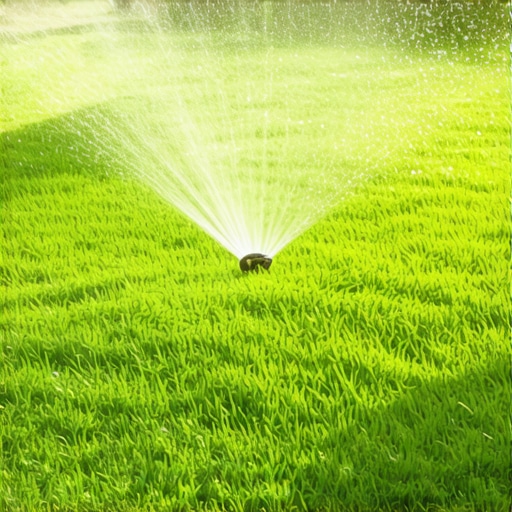
Ever spent hours laying sod only to see it wilt, turn brown, or just not thrive? I remember my first attempt—patchy grass, uneven watering, and a sinking feeling that I’d wasted my weekend. It was a lightbulb moment. I realized that achieving a lush, green lawn isn’t just about laying sod; it’s about understanding the right installation techniques and irrigation strategies. If you’ve faced similar frustrations, you’re not alone. Today, I’m here to share proven tips that transformed my yard and can do the same for you.
Why Proper Sod and Irrigation Matter More Than You Think
When I first started my lawn project, I underestimated how critical the details are. A good sod installation isn’t just about the initial laying—it’s about ensuring the roots establish quickly and healthily. Likewise, a smart irrigation plan makes all the difference between a thriving yard and a patchy disaster. Recent studies show that improper watering can lead to root rot, weed invasion, and even disease—costing you more time and money in the long run. According to this comprehensive guide, mastering these basics is essential for a picture-perfect yard in 2025.
Is Over-Hyping Sod and Irrigation Techniques Justified?
Honestly, I used to think all the hype about expert sod installation and irrigation was overblown. I made the mistake early on of skipping proper soil preparation and watering schedules, which left my lawn vulnerable. But after I invested in learning the right methods—like ensuring proper soil contact and installing an efficient irrigation system—I saw dramatic improvements. If you’re skeptical, ask yourself: Have you ever poured water on your lawn only to see it run off or evaporate quickly? That’s a sign your system isn’t working efficiently. Proper installation and watering aren’t just trends—they’re the foundation of a healthy, vibrant yard. Want to see how I finally cracked the code? Check out my tips on sod and irrigation strategies.
Ready to ditch the guesswork and get your lawn looking like a lush paradise? Let’s dig into the practical steps that will make your yard the envy of the neighborhood.
Lay the Foundation with Quality Soil Preparation
When I first tackled my lawn project, I learned the hard way that starting with poor soil is like building on quicksand. I used a rototiller to loosen the existing soil and mixed in compost and topsoil to create a nutrient-rich bed. This step ensures your sod has the best chance to root quickly and stay healthy. Think of it as giving your lawn a vitamin boost—without it, even the best sod can struggle. If you want a detailed soil prep plan, check out yard cleanup and soil prep strategies.
Choose Your Sod Wisely and Install Correctly
Select sod that matches your climate and soil type. I picked a resilient Bermuda grass, which handles heat and drought well. When installing, lay the sod in a brick-like pattern, staggering the seams to prevent gaps. Use a sharp knife to trim pieces for tight edges around curves or obstacles. I remember unrolling the sod in the late afternoon, working quickly to place each piece before it dried out. Afterward, I pressed the sod down firmly with a board to ensure good contact with the soil, vital for root establishment. For expert tips, see sod and yard cleanup tips.
Water Deeply and Regularly
Proper watering is the secret sauce. In my first try, I overwatered, leading to soggy roots and fungal issues. I learned to water deeply—about an inch per session—so roots grow downward and stay hydrated. Early morning is best; I set my timer to avoid forgetting. Use a rain gauge or catch basin to measure how much water your system delivers. I also installed a simple rain sensor to prevent overwatering during rainstorms. This approach prevents runoff and promotes deep root growth. For irrigation system insights, visit irrigation solutions for a healthy lawn.
Design an Efficient Irrigation System
I replaced my basic sprinkler with a zone-based system, covering different yard areas with tailored watering schedules. It’s like having a personal gardener who knows exactly when each section needs water. I used pop-up spray heads for the lawn and drip lines for flower beds. To prevent dry patches, I set timers to water early in the morning and again in the evening during peak summer. This setup saved water and kept my grass uniformly lush. For more on irrigation design, see irrigation design tips.
Regular Maintenance and Monitoring
Once your sod is laid and your watering system is in place, regular checks are essential. I walk my yard daily during the first few weeks to spot dry patches or weeds. I also aerate the soil annually to prevent compaction and promote root growth. Mowing at the right height—around 2.5 inches—encourages a dense canopy that shades out weeds. Fertilizing with a balanced, slow-release fertilizer keeps the grass vibrant. These simple steps transform your yard from patchy to pristine. For more detailed maintenance routines, visit ultimate guide to sod and irrigation.
Many homeowners fall into misconceptions about sod installation and irrigation, thinking that a quick lay and occasional watering are enough. However, these oversights can lead to costly mistakes and a less-than-stellar lawn. Let’s dig deeper into what most people get wrong and how to avoid these pitfalls for a lush, healthy yard.
Why Overwatering and Underwatering Can Both Damage Your Lawn
A common myth is that more water means healthier grass. In reality, overwatering can suffocate roots, promote fungal diseases, and wash away nutrients. Conversely, underwatering leaves your sod stressed and prone to weeds and pests. The key is deep, infrequent watering—about once a week, providing at least an inch of water per session—and ensuring your system delivers it evenly. An inefficient irrigation system or neglecting to check water distribution can result in dry patches or soggy areas, undermining your efforts. For advanced tips, see irrigation solutions for a healthy lawn.
How Can Soil Preparation Affect the Success of Your Sod and Irrigation?
Many underestimate the importance of soil prep, thinking that laying sod directly on existing ground is sufficient. But poor soil leads to weak root establishment, poor nutrient uptake, and increased susceptibility to diseases. Proper soil conditioning—like aeration, adding compost, and ensuring good drainage—creates a resilient foundation. This nuance often gets overlooked, but it’s critical for long-term success. Skipping this step is a trap that can undo months of work. Want to learn more? Check out yard cleanup and soil prep strategies.
Are All Sprinklers Created Equal for Your Landscape?
Another misconception is that any sprinkler will do. In fact, choosing the right type—rotary, spray, drip—is essential depending on your yard’s layout. Using a uniform spray head might waste water on sidewalks or dry out flower beds. Advanced homeowners opt for zone-specific systems with timers and sensors to optimize watering schedules. An inefficient setup can lead to uneven watering, root stress, and increased water bills. For expert insights, visit irrigation system design.
Have you ever fallen into this trap? Let me know in the comments. Mastering these nuanced details can mean the difference between a yard that looks good and one that’s truly spectacular. Remember, investing time in soil health, system efficiency, and water management pays off in the long run, transforming your outdoor space into a thriving, beautiful landscape.
Maintaining a beautiful lawn and landscape over time requires the right tools and consistent effort. As I’ve learned through experience, investing in quality equipment and adopting effective methods can save you time, money, and frustration. Today, I want to share the tools I rely on for ongoing yard care and how they help me keep my landscape thriving and scalable for future growth.
Why Quality Equipment Is a Game-Changer
When it comes to yard maintenance, the first step is having dependable tools. I swear by my cordless electric lawn mower, which offers powerful cutting performance without the hassle of cords or fumes. Its lightweight design makes mowing large areas less tiring, and the rechargeable battery ensures I can work longer without interruption. For trimming edges and hard-to-reach spots, I prefer a multi-tool system with interchangeable heads—this versatility means I only need one device for trimming, pruning, and detail work, simplifying my toolkit.
Essential Irrigation Management Tools
Keeping my irrigation system in top shape is critical. I use a digital soil moisture meter to instantly assess soil hydration levels, preventing over- or under-watering. This device has saved me from wasting water and helped my grass develop deep roots. Additionally, I rely on smart irrigation controllers that connect to my Wi-Fi, allowing me to adjust watering schedules remotely based on weather forecasts. As we move toward more integrated and automated yard systems, these tools will become even more indispensable, making yard care more efficient and eco-friendly.
Tools for Yard Cleanup and Landscaping
For yard cleanup, I trust my leaf blower and a robust composting bin. The blower makes quick work of fallen leaves and debris, especially after pruning or stormy weather. My compost bin turns yard waste into nutrient-rich soil, feeding my landscape sustainably. I also keep a sturdy wheelbarrow and a durable rake on hand—simple tools, but vital for moving soil, mulch, and plantings during landscaping projects.
Preparing for the Future with Scalable Solutions
Looking ahead, I believe the trend is moving toward smart, scalable yard systems that grow with your needs. Modular irrigation setups and remote monitoring allow homeowners to expand their landscape without a complete overhaul. Tools that integrate with landscape planning software help me visualize changes and plan for long-term growth. Investing in these technologies now positions your yard for effortless scaling as your garden matures or your landscape design evolves.
How do I maintain my tools and systems over time?
Regular maintenance is key to keeping your equipment functioning properly. I clean my power tools after each use, check for worn parts, and replace blades or batteries as needed. For irrigation systems, I schedule annual inspections to check for leaks, clogs, and proper coverage. Using high-quality lubricants and protective covers extends the life of my tools and ensures they perform reliably season after season. As technology advances, I stay updated with the latest innovations, often reading expert reviews and tutorials, such as those found in this comprehensive guide, to refine my maintenance routines and adopt new best practices.
By choosing the right tools and committing to regular upkeep, you set your yard up for long-term success. I encourage you to try integrating a smart irrigation controller or a soil moisture meter into your routine—they can make a noticeable difference in your landscape’s health and your peace of mind. Remember, the key to scaling your landscape effectively is leveraging technology and tools that grow with your garden’s needs, ensuring beauty and functionality for years to come.
The Hardest Lesson I Learned About sod install, irrigation, landscaping, yard cleanup
One of my biggest realizations was that rushing the soil preparation stage almost guaranteed failure. I once skipped aerating and mixing compost, thinking the sod would root fine on its own. That mistake led to patchy growth and more work down the line. Now I know that giving your sod a healthy, nutrient-rich foundation is non-negotiable for long-term success.
3 Myths About sod install, irrigation, landscaping, yard cleanup That Held Me Back
I used to believe that all sprinklers are created equal and that more watering always equals greener grass. Both misconceptions cost me money and time. I learned that zone-specific irrigation systems and proper watering schedules are essential. Don’t fall for these common myths — the right tools and knowledge make all the difference.
What Experts Won’t Tell You About sod install, irrigation, landscaping, yard cleanup
Most professionals keep quiet about the importance of soil health and system maintenance. Regularly inspecting your irrigation system and upgrading to smart controllers can save water and improve lawn quality. Investing in these behind-the-scenes steps elevates your yard from average to stunning, with less effort over time.
Curated Resources for a Thriving Lawn
My go-to guide is the Ultimate Guide to Sod and Irrigation in 2025. It offers comprehensive tips rooted in real-world experience. I also rely on yard cleanup strategies to keep my landscape pristine. For tools, I swear by my soil moisture meter and Wi-Fi-enabled irrigation controller — they simplify maintenance and optimize water usage.
Your Turn to Try
Now that you know the insider lessons and trusted resources, it’s your turn to transform your yard into a lush paradise. Remember, success in sod installation and irrigation boils down to preparation, quality tools, and ongoing maintenance. Don’t wait — start implementing these tips today and watch your landscape thrive.
What part of lawn care do you find most challenging? Share your experiences below — I’d love to hear your story!
Reading through this post really resonated with me. I’ve found that the key to a thriving lawn isn’t just in the installation, but in ongoing maintenance and smart watering practices. Especially the part about soil preparation—last season, I underestimated this step and ended up with patchy grass despite laying good sod initially. Investing in a good soil test kit and aeration tools made a huge difference once I incorporated those into my routine. I wonder, how many of you have experimented with different types of irrigation systems? I recently switched to a zone-based system with timers and soil moisture sensors, and the watering efficiency has skyrocketed. Has anyone else seen similar results or faced challenges that others might avoid? Would love to hear your tips on scaling yard systems effectively for larger landscapes.
This post really hits home for me, especially the part about soil preparation. I learned the hard way that throwing sod on compacted or poor-quality soil is a recipe for patchy growth and ongoing issues. Since then, I’ve started taking soil testing seriously and adding compost before laying down new sod. It’s made a noticeable difference in root development and overall lawn health. I’m curious—has anyone experimented with different soil amendments or organic fertilizers? I’ve been considering trying compost teas to boost microbial activity and improve soil texture further. Also, the focus on irrigation efficiency really resonates; I’ve recently installed a smart controller with soil moisture sensors, and the water savings are impressive while keeping the lawn lush. For those still struggling with uneven watering, what systems or settings have you found most effective? It seems that combining quality soil prep with advanced irrigation is the winning formula for a truly beautiful yard.