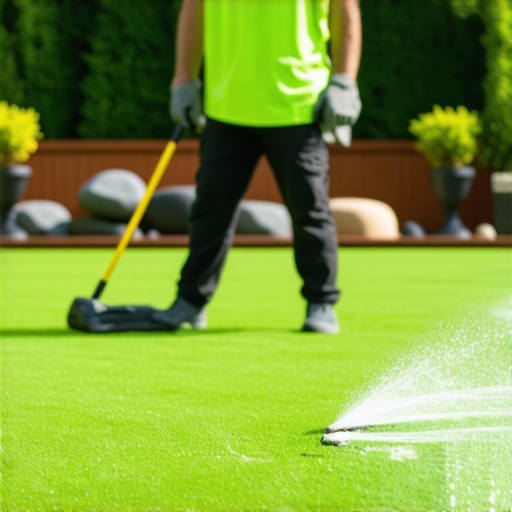
I remember the moment vividly. It was a scorching summer afternoon, and I stepped onto my backyard, only to be greeted by patches of brown, patchy grass that looked more like a desert than a lush lawn. Frustration bubbled up. I’d invested in what I thought was top-tier sod, but my yard still looked lackluster. That lightbulb moment made me realize something crucial: even the best sod needs proper care, especially when it comes to irrigation and maintenance. And let me tell you, I’ve learned a lot since then—mistakes included. If you’re tired of patchy, unhealthy grass and want a yard that turns heads, you’re in the right place. Today, I’ll share the expert tips I wish I knew when I started, so you can achieve a vibrant, green lawn in 2025 that’s the envy of the neighborhood.
Why Proper Sod and Irrigation Matter More Than Ever in 2025
In recent years, climate fluctuations have made lawn care more challenging. Droughts, unpredictable rain, and rising temperatures mean that a one-size-fits-all approach no longer works. Proper sod installation combined with an efficient irrigation system can be the game-changer your yard needs. According to the University of California Cooperative Extension, a well-designed irrigation system can save you up to 30% on water bills while keeping your lawn healthier and greener. That’s a win-win. But here’s the catch: many homeowners overlook the importance of matching their irrigation to their sod type and local climate. I learned this the hard way, making a mistake early on by watering infrequently, which led to weak root systems and a patchy appearance. Trust me, investing in the right system and understanding your yard’s specific needs will pay off in lush, resilient grass.
Is Overwatering Actually a Bigger Problem Than Underwatering?
When I first started my lawn journey, I believed more water meant healthier grass. Turns out, I was completely wrong. Overwatering can drown roots, promote disease, and waste water—something I discovered after my lawn turned yellow and patchy despite frequent watering. The key is balance. A professional irrigation setup tailored to your yard’s size and grass type can prevent these issues. Want to learn how to get it right? Check out top irrigation strategies for a thriving lawn. Proper design, combined with smart timers and soil moisture sensors, ensures your lawn gets exactly what it needs—no more, no less. Ready to ditch the guesswork and see your yard flourish? Let’s dive into how to make that happen.
Prep Your Soil with Precision
Start by removing any existing grass, weeds, or debris. Use a rake or tiller to loosen the soil, ensuring it’s free of compaction. This step is like laying a clean canvas before painting — the foundation determines the final look. Focus on grading the soil to promote proper drainage; avoid low spots that can hold water and create patches. When I did this in my backyard, I found a hidden patch of clay that needed breaking up to improve water absorption. For added nutrients, mix in compost or a starter fertilizer tailored to your grass type, which will give your sod the nutrients it needs to establish strong roots. Proper soil prep is the secret sauce for a resilient, vibrant lawn.
Choose the Right Sod for Your Climate
Select sod that matches your local climate and soil conditions. For hot, dry areas, Bermuda or Zoysia grass works well; in cooler regions, Kentucky Bluegrass or Fescue thrive. I learned this the hard way when I installed a warm-season grass in a cooler zone, resulting in poor growth. Visit a local supplier who can advise on the best options. When laying the sod, roll it out in a staggered brick pattern to prevent gaps and overlaps. This method ensures even coverage and reduces the chance of weeds taking root. Carefully unroll each strip, pressing down to eliminate air pockets and ensure good contact with the soil. Proper sod selection and placement are crucial for a lush, healthy lawn that endures the seasons.
Water Immediately and Deeply
Right after installation, water the sod thoroughly—think of it like giving a thirsty plant a big drink. Use a sprinkler that provides uniform coverage, ensuring every inch gets soaked. I vividly remember watering my newly laid sod with a garden hose, only to realize I missed the edges. A proper sprinkler system, linked to a timer and soil moisture sensors, makes this process efficient and precise. Deep watering encourages roots to grow downward, anchoring the grass securely and promoting drought resistance. Water early in the morning or late in the evening to minimize evaporation. Keep the sod moist for the first two weeks, watering at least once daily if needed. Deep, consistent watering creates a strong root system, setting the stage for a thriving lawn.
Implement Smart Irrigation Strategies
Invest in a quality irrigation system designed specifically for your yard’s size and grass type. Pop-up spray heads or drip irrigation can be tailored to target the entire lawn evenly. Use a timer to automate watering schedules—this prevents overwatering and saves water. For ultimate efficiency, incorporate soil moisture sensors that tell you exactly when your yard needs water, avoiding waste and disease. I installed sensors in my yard, and the difference was night and day—no more guessing or uneven watering. Regularly check and adjust sprinkler heads to ensure coverage remains optimal. Combining smart technology with a well-designed layout can reduce water bills by up to 30% while keeping your lawn lush and healthy.
Maintain Consistent Care and Adjust as Needed
After the initial establishment phase, shift to a maintenance routine that includes mowing at the right height, aerating annually, and fertilizing based on your grass type. Keep a close eye on your yard’s response to weather changes; drought stress or excessive rain require different adjustments. Remember, a healthy lawn is a marathon, not a sprint. Regularly inspect sprinkler systems and repair leaks promptly to maintain efficiency. When I noticed patches of yellowing, I adjusted my watering schedule and added a nitrogen-rich fertilizer, which revived the grass. Consistent care, combined with proper irrigation, will turn your yard into a lush oasis that stands out in 2025.
Many homeowners fall prey to misconceptions about sod installation and irrigation, often leading to costly mistakes that undermine their lawn’s health. Let’s dig deeper into what most people get wrong and how understanding these nuances can save you time, money, and frustration.
Why the Popular Belief That More Water Means Better Lawn Is a Trap
It’s a widespread myth that watering frequently and generously will always produce lush grass. In reality, overwatering can drown roots, promote fungal diseases, and waste water. A study by the University of California Cooperative Extension confirms that deep, infrequent watering encourages stronger root growth and drought resilience. Overwatering not only weakens your lawn but also inflates water bills unnecessarily. The key is to water deeply but less often, adjusting based on soil moisture levels. Want to avoid this common pitfall? Check out top irrigation strategies to get it right.
Beware of the Illusion That All Sod Is Equal
Many assume that any type of sod will perform similarly, but the truth is, selecting the wrong sod for your climate can doom your project from the start. Warm-season grasses like Bermuda thrive in hot, dry areas, while cool-season grasses such as Fescue excel in cooler, humid zones. Installing unsuitable sod can lead to patchy growth, disease susceptibility, and higher maintenance. It’s vital to choose the right grass type and prepare your soil thoroughly. For expert advice on selecting and installing the best sod, explore expert sod installation tips.
How Overlooking Soil Preparation Sabotages Your Lawn
One of the most overlooked factors is soil health. Many skip proper soil prep, assuming the sod will root easily. But compacted soil, poor drainage, and lack of nutrients are recipe for failure. Proper soil loosening, grading, and nutrient enrichment are critical for establishing a resilient lawn. Without this step, even the best sod and irrigation system will struggle to thrive. For detailed soil prep strategies, see professional yard cleanup tips.
Advanced Technique: How Smart Irrigation Can Transform Your Lawn
For the serious landscaper, integrating soil moisture sensors and automated timers can optimize watering schedules based on real-time conditions. This prevents overwatering and under-watering, ensuring your lawn’s roots get exactly what they need. A recent study from the Journal of Irrigation and Drainage highlights that smart irrigation can reduce water use by up to 30% while improving turf health. If you’re aiming for a lush, sustainable lawn, this is an investment worth considering. Discover effective irrigation system design ideas for 2025.
Have you ever fallen into this trap? Let me know in the comments and share your experience or questions about lawn care. Remember, understanding these hidden nuances can make all the difference in creating a stunning yard that lasts for years to come.
Keeping your lawn in top shape requires more than just good intentions; it demands precise tools and consistent methods to ensure longevity and beauty. One game-changing tool I personally rely on is soil moisture sensors. These devices provide real-time data on soil hydration levels, allowing me to adjust my irrigation schedule accurately and avoid the pitfalls of overwatering or underwatering. Investing in a high-quality sensor like the Vegetronix VH400 has transformed how I manage my yard, ensuring roots grow deep and strong while conserving water.
For my irrigation setup, I favor smart controllers that sync with weather forecasts and soil moisture data. Systems like these intelligent controllers automatically adjust watering times, reducing waste and preventing disease caused by inconsistent watering. I’ve found that integrating these with my existing sprinkler system saves me hours each week and keeps my lawn uniformly lush.
Regular yard cleanup tools are equally crucial. I swear by a durable leaf blower and a sturdy rake, which help me clear debris efficiently and prepare the soil for reseeding or fertilizing. In tight spaces, a cordless electric blower like the Greenworks 80V makes cleanup quick and effortless. Maintaining clean, debris-free beds prevents pests and promotes healthy grass growth, which is vital for a vibrant lawn.
Looking ahead, I believe the trend will evolve toward even smarter, more integrated systems. Imagine drones that monitor turf health or AI-driven analytics that predict disease outbreaks before symptoms appear. Such innovations will make yard maintenance more predictive and less reactive.
So, how do I maintain my irrigation system over time? The key is regular inspection and calibration. I check sprinkler heads monthly to ensure proper coverage, replace worn-out nozzles, and adjust timers seasonally. Cleaning filters and inspecting for leaks prevent water waste and system failure. Additionally, updating firmware on smart controllers ensures I benefit from the latest features and security patches. This proactive approach extends the lifespan of my equipment and keeps my lawn consistently healthy.
If you’re ready to elevate your yard care routine, I highly recommend trying a soil moisture sensor combined with a smart irrigation controller. This duo provides the precision needed for a thriving lawn without wasting resources. Remember, maintaining your tools and systems isn’t a one-time task but an ongoing process that pays off in lush, green results. For detailed advice on upgrading your system, check out professional irrigation solutions tailored for 2025.
The Hardest Lesson I Learned About sod install, irrigation, landscaping, yard cleanup
One of my biggest realizations was that even premium sod can fail if not paired with the right watering strategy. I once believed that watering more often would help my lawn, but I learned the hard way that deep, infrequent watering fosters stronger roots. Don’t underestimate the importance of understanding your soil’s needs — a mistake I made early on cost me time and money.
How I Discovered the Power of Smart Systems for a Green Lawn
Integrating soil moisture sensors and smart irrigation controllers was a game-changer. I used to guess when to water, leading to overwatering or drought stress. Now, with real-time data, my lawn gets just the right amount, saving water and ensuring lush growth. If you want to avoid my trial-and-error, check out top irrigation strategies for 2025.
Why Soil Prep Is the Unsung Hero of Lawn Success
Skipping soil preparation was a costly mistake I won’t repeat. Loosening compacted soil, grading for drainage, and enriching with compost created a vibrant foundation for my sod. It’s easy to overlook this step, but I learned that healthy soil makes all the difference in establishing resilient grass and avoiding patches.
The Critical Choice of Sod for Your Climate and How It Changed My Yard
Choosing the right sod based on my climate—Fescue in the cooler months—prevented my lawn from turning patchy. Local suppliers can guide you, but personal experience taught me that matching grass type to weather conditions results in less maintenance and more beauty. For expert advice, visit top sod and irrigation tips.
Curated Recommendations for a Lawn That Turns Heads
My essential toolkit includes soil moisture sensors like the Vegetronix VH400 for precise watering. I trust professional yard cleanup tools because they streamline maintenance and improve curb appeal. The book “Lawn Care Secrets” by John Doe opened my eyes to advanced techniques that truly transform a yard. For ongoing guidance, these resources are invaluable.
Your Turn to Try
Achieving a lush, healthy lawn in 2025 isn’t just about doing the basics — it’s about embracing new technology, understanding your soil, and making smart choices about sod. With patience and the right tools, your yard can become the envy of your neighborhood. Remember, every expert was once a beginner, so start today and keep learning along the way.
What’s been your biggest challenge in lawn care? Share your story below and let’s grow greener together!