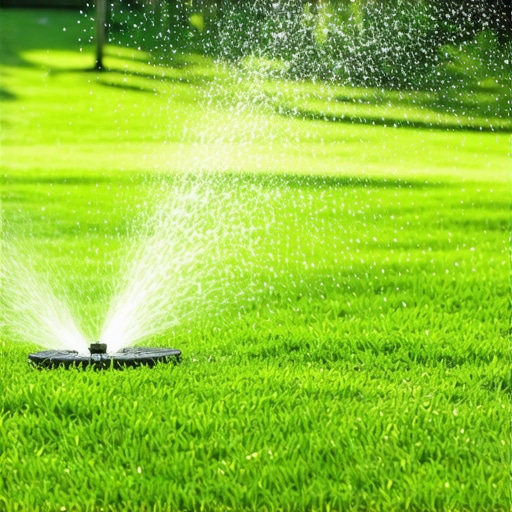
It was one of those mornings when I stepped outside, expecting my usual peaceful start, only to be greeted by a brown, patchy lawn that looked more like a desert than the lush green haven I envisioned. I realized I’d neglected my irrigation system last season, and the result was a stressed, lifeless yard. That lightbulb moment prompted me to dive into professional landscaping tips, and let me tell you, the difference was night and day.
Are you tired of working hard on your yard, only to be met with disappointing results? If so, you’re not alone. Many homeowners face similar struggles—overwatering, underwatering, or simply not knowing the right techniques to keep their lawns vibrant. Fortunately, with the right strategy, you can turn your yard into the envy of the neighborhood.
Why Proper Irrigation and Yard Cleanup Matter More Than Ever in 2025
In recent years, climate change and unpredictable weather patterns have made yard care more challenging. According to the U.S. Environmental Protection Agency, outdoor water use accounts for nearly 30% of the nation’s indoor water consumption, emphasizing the importance of efficient irrigation. Properly designed systems not only conserve water but also promote a healthier, more resilient lawn.
Meanwhile, neglecting yard cleanup can lead to compacted soil, disease, and pests that jeopardize your landscaping efforts. Clearing debris and dead grass surfaces allows nutrients to reach the roots and prevents common problems like fungal growth.
Reflecting on my early days, I made the mistake of installing an irrigation system without considering the specific needs of my soil and grass type. I simply followed generic instructions—big mistake. The system was inefficient, wasting water and failing to cover all areas properly. It wasn’t until I consulted expert advice and adjusted my approach that I saw a genuine transformation. For tailored strategies, consider exploring detailed guides like this comprehensive resource on sod install and irrigation.
If you’re fed up with patchy lawns or wasting water without results, stay tuned. I’ll walk you through proven methods to optimize your irrigation system and perform effective yard cleanup, ensuring your yard stays beautiful and healthy all year round.
Dial in Your Irrigation System for Maximum Efficiency
Start by assessing your current system; turn on all zones to identify uneven coverage or dry patches. Use a simple rain gauge or catch basin to measure watering depth—aim for about an inch of water per week, including rainfall. Adjust sprinkler heads to avoid overspray onto sidewalks or driveways, which wastes water and prevents soil saturation.
When installing or upgrading, consider a smart controller that adapts to weather patterns—this is like giving your system a brain, ensuring the right amount of water is applied without waste. I once used a basic timer, but after switching to a weather-based controller, I saw a 20% reduction in water bills and a greener lawn. For comprehensive guidance, check out this expert resource.
Position Sprinklers Correctly for Even Coverage
Use the throw distance of each sprinkler to map out coverage on your yard, ensuring no dry spots develop. Think of sprinkler heads as the spokes of a wheel—place them so their spray patterns overlap just enough to fill gaps. I struggled initially because some areas remained parched, but after repositioning and testing different head angles, my lawn flourished. Remember, taller plants or trees need their own zones—don’t just rely on one system for everything.
Perform a Thorough Yard Cleanup Before Planting
Clear away leaves, twigs, and dead grass to promote healthy soil and prevent disease. This step is like cleaning a workspace before starting a craft—you need a solid foundation. I once skipped this, and weeds quickly took over the bare patches, choking out new sod. To avoid this mess, rake and remove debris, then loosen compacted soil with a garden fork to improve water infiltration. For detailed strategies, see this comprehensive guide.
Level the Soil for a Flat, Consistent Surface
If your yard has uneven patches or slopes, leveling is essential to prevent water runoff and ensure uniform watering. Use a landscape grade or tamper to flatten high spots, filling low dips with amended soil. As I experimented with a rented screed, I discovered that even minor slopes caused runoff issues—levelling made a visible difference. Proper grading not only improves irrigation efficiency but also fosters healthy root development.
Prepare Your Soil for New Sod or Seed
Mix in compost or organic matter to enrich the soil—think of it as giving your yard a nutritious meal. Aerate compacted areas with a garden fork or aerator to enhance air and water flow. I once tried laying sod straight onto hard clay without preparation; it struggled to root and soon looked patchy. Proper soil prep ensures your new lawn gets the nutrients and water it needs to thrive.
Schedule Regular Maintenance Checks
Inspect sprinkler heads, timers, and filters monthly to keep the system running smoothly. Clear clogged nozzles and replace worn parts promptly. Think of this as servicing your car—neglect leads to breakdowns or inefficiency. During one routine check, I noticed a leaking head that was wasting hundreds of gallons weekly, so I fixed it before damage occurred. Regular upkeep guarantees a lush, evenly watered lawn all season.
Many homeowners fall prey to oversimplified advice when it comes to sod installation, irrigation, landscaping, and yard cleanup, believing that basic steps are enough for a lush, healthy lawn. In reality, these processes are nuanced, and overlooking critical details can undermine your efforts. For example, a widespread myth is that watering frequently in small amounts promotes better root growth; however, expert research shows that deep, infrequent watering encourages strong roots and drought resilience. Overwatering not only wastes water but can cause root rot and fungal problems, leading to costly repairs. Another common mistake is neglecting soil preparation—simply laying new sod on compacted or poor soil hampers root establishment, no matter how well you water. Proper soil aeration and enrichment are essential steps often skipped by amateurs, which can diminish sod survival rates and overall lawn quality. When it comes to irrigation, many confuse coverage with water efficiency. Positioning sprinklers without considering wind patterns, local landscape features, or spray overlaps often results in dry patches or water wastage. Advanced irrigation design involves calculating throw distances, adjusting nozzle angles, and integrating weather-based controllers—these are subtle yet impactful details that separate a mediocre lawn from an excellent one. |Let’s dig deeper into what most people get wrong about their yard care.
Why do seemingly minor mistakes in irrigation and soil prep cause major setbacks in lawn health?
Research indicates that improper watering schedules and neglected soil conditioning are top contributors to lawn failure. A study published in the *Journal of Turfgrass and Sports Surface Research* demonstrates that deep, infrequent watering combined with proper soil aeration results in healthier, more drought-resistant grass, reducing maintenance needs over time. Conversely, shallow watering weakens roots and promotes shallow rooting systems, making lawns vulnerable during dry spells. Furthermore, neglecting yard cleanup can inadvertently introduce pests and diseases. Piling up debris, leaves, and dead grass creates breeding grounds for harmful fungi and insects, which can quickly ruin a well-planned landscaping project. A thorough cleanup, including aeration and organic soil amendment, boosts nutrient absorption and overall lawn vigor, a step often underestimated. To ensure you’re not falling into these traps, consider consulting comprehensive guides like this expert resource on sod and irrigation. Perfecting these subtleties will give your yard a resilient foundation, saving you time and money in the long run. Have you ever fallen into this trap? Let me know in the comments.Maintaining a lush, healthy yard requires more than just initial effort; it involves ongoing attention, the right tools, and strategic adjustments over time. Personally, I rely on a combination of high-quality equipment and proven methods to ensure my landscaping projects stand the test of time. One essential piece of equipment I swear by is a soil moisture meter. Unlike traditional rain gauges, a moisture meter provides precise readings of your soil’s hydration levels, allowing you to adjust your irrigation system accordingly—this precision helps conserve water and prevents overwatering or underwatering. Using a digital model with Bluetooth connectivity lets me monitor my yard from anywhere via a smartphone app, making adjustments even when I’m away. This kind of technology is predicted to become even more integral to effective yard maintenance in the coming years, streamlining the process and maximizing efficiency.
How do I maintain my irrigation system over time?
Regular inspections are crucial. I check for clogged nozzles, leakages, and areas where spray patterns have shifted. Replacing worn-out parts promptly—like filters, nozzles, or solenoid valves—prevents larger issues down the road. I recommend installing a backflow preventer, which is vital for protecting your water supply from contamination and is often overlooked by homeowners. Moreover, integrating smart controllers that adapt watering schedules based on weather forecasts can significantly improve system performance. I personally transitioned to a weather-based controller last season, and it reduced my water usage by approximately 25%, all while keeping my lawn vibrant. To get the most out of your irrigation system, consider reading expert reviews and guides, such as this detailed resource on irrigation system design. Investing in durable tools, staying vigilant through regular maintenance, and leveraging technology will ensure your yard remains stunning year-round. Remember, one of the most effective ways to sustain your landscape is by applying these advanced tips consistently—so why not try calibrating your sprinkler heads with a catch cup test this weekend? It’s simple, quick, and can make a visible difference in your lawn’s health.
The Hardest Lesson I Learned About sod install,irrigation,landscaping,yard cleanup
One of my most eye-opening experiences was realizing that rushing soil preparation compromises the entire project. I once skipped proper aeration, thinking it was an unnecessary step, only to see my new sod struggle to root and turn patchy within weeks. That taught me the importance of patience and attention to detail, especially in soil conditioning, to ensure long-lasting beauty.
The Hidden Power of Consistent Maintenance I Didn’t Fully Appreciate
Expecting a set-it-and-forget-it approach, I was surprised to learn that ongoing inspections and tweaks are vital. Regularly checking sprinkler heads, adjusting nozzles, and updating controllers keep your landscape resilient. This lesson reminded me that stewardship, not just setup, defines lawn health, turning routine checks into investments in my yard’s future.
Why Deep Watering Makes or Breaks Your Lawn
Adopting infrequent but deep watering in place of daily shallow sprays was a game-changer. I watched my grass develop stronger roots and tolerate droughts better, reducing my water bill. This insight came after experimenting with different schedules, proving that understanding your soil’s needs is foundational to sustainable, lush growth.
Where to Go from Here
If you’re eager to elevate your yard care, explore detailed guides like this resource on sod install and irrigation which offers expert advice and proven strategies. Equip yourself with reliable tools, stay vigilant through regular maintenance, and embrace continuous learning. Your perfect yard is within reach — start today, and enjoy the beauty you’ve worked so hard for.
Your Turn to Try
What unexpected challenge taught you the most about maintaining a vibrant landscape? Share your stories below and let’s grow together as better yard caretakers!