
The Mechanical Filter Myth
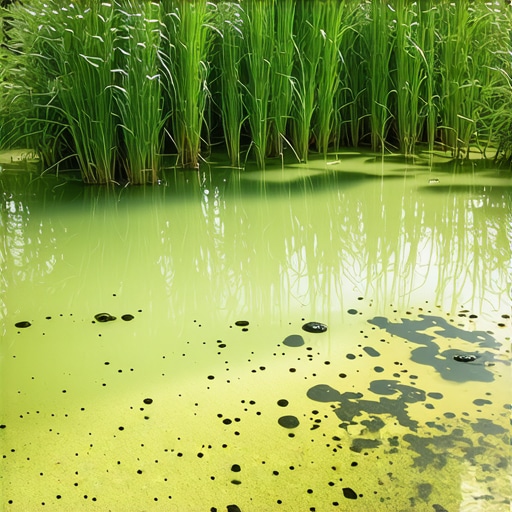
Murky pond water persists because filters only remove physical debris, while the true cause is often dissolved nutrients like nitrogen and phosphorus fueling microscopic algae growth. A mechanical filter cannot catch particles smaller than its micron rating, leaving biological and chemical imbalances completely unaddressed in your ecosystem.
I have spent twenty years hauling muck out of backyard basins. Most homeowners think a bigger pump is a magic wand. It is not. I recently walked onto a job where a guy had spent four grand on a high-end pressurized canister filter, yet his water looked like a bowl of pea soup. He was furious. I looked at his lawn, then his pond. He had just finished a massive sod install and was hitting it with high-nitrogen fertilizer twice a week. Every time his irrigation kicked on, those nitrates leached straight into the pond. He wasn’t running a water feature; he was running a liquid petri dish. The filter was working fine, but it was physically impossible for it to outpace the nutrient load he was dumping in. He didn’t need a new filter. He needed a yard cleanup to fix his drainage and a lesson in basic pond chemistry.
The Chemistry of Suspended Solids
Suspended solids in pond water are categorized by their particle size and buoyancy, ranging from heavy inorganic silt to microscopic organic phytoplankton. When water stays brown or grey despite filtration, it is typically due to colloidal clay particles that carry a negative electrical charge, causing them to repel each other and stay suspended indefinitely.
“Colloidal particles in pond water are so small that they are governed more by Brownian motion and electrostatic forces than by gravity, making traditional mechanical filtration ineffective without the use of chemical flocculants.” – Southern Regional Aquaculture Center (SRAC)
You have to understand the difference between mechanical, biological, and chemical filtration. Mechanical filtration is just a sieve. If your silt is 5 microns and your filter sponge is 50 microns, that silt is going to do laps around your pond forever. Biological filtration is the use of Nitrosomonas and Nitrobacter bacteria to convert toxic ammonia into nitrites and then nitrates. Even if your water is clear, it can be chemically toxic. Murkiness is often just a symptom of a deeper biological failure.
How do I fix green pond water?
To fix green pond water, you must install a UV-C clarifier to flocculate single-celled algae and establish a biological balance through beneficial bacteria colonization. Reducing nutrient inputs from lawn runoff and ensuring at least 50% of the pond surface is covered by aquatic plants will starve the algae of its food source.
| Filter Type | Target Pollutant | Primary Mechanism |
|---|---|---|
| Mechanical | Leaves, Fish Waste, Silt | Physical Straining |
| Biological | Ammonia, Nitrites | Bacterial Nitrification |
| Chemical | Tannins, Heavy Metals | Adsorption (Activated Carbon) |
| UV-C Clarifier | Planktonic Algae | DNA Irradiation/Clumping |
The Hydrostatic Pressure and Runoff Factor
Pond clarity is dictated by the watershed dynamics of your backyard, meaning any landscaping flaws that allow surface runoff to enter the basin will introduce silt and chemicals. If your pond coping is flush with the ground, every rainstorm turns your water into a mud pit, regardless of your filter’s size.
Check your irrigation heads. Are they spraying directly into the pond? That is a recipe for disaster. Most municipal water contains phosphates to prevent pipe corrosion. By spraying that water into your pond, you are literally fertilizing your algae. I see this constantly on yard cleanup jobs. We pull out the dead brush, but we realize the grade is sloping toward the water. If you don’t build a berm or install a French drain to divert that runoff, you are fighting a losing battle. It is simple civil engineering.
How much does a pond filtration system cost?
A professional pond filtration system costs between $1,500 and $5,000 depending on the total water volume and the required fish load capacity. High-end systems include a sequence of a mechanical skimmer, a biological waterfall filter, and an external UV-C pressure vessel to maintain crystal-clear water year-round.
“The effectiveness of a pond’s biological filter is directly proportional to the available surface area of the media and the oxygen saturation of the water passing through it.” – Hardscape Engineering Axiom
The Maintenance Checklist
Long-term clarity requires a consistent maintenance protocol that addresses the organic load before it breaks down into dissolved nutrients. Follow this technical checklist to keep your system ahead of the nitrogen cycle:
- Test Water Parameters: Check Ammonia, Nitrite, and Nitrate levels weekly using a liquid drop kit.
- Clean Pre-Filters: Rinse mechanical mats every 3-5 days during peak summer to prevent anaerobic pockets.
- Monitor Sludge: Use a pond vacuum to remove bottom muck that filters cannot reach.
- Check Pump Flow: Ensure your pump is turning over the total pond volume at least once every hour.
- Divert Runoff: Inspect the perimeter after rain to ensure no soil or mulch is washing into the basin.
Stop looking for a bigger filter. Start looking at the biology. Your pond is a living organism. If you treat it like a swimming pool, it will fail. If you treat it like a nitrogen processing plant, it will stay clear. It requires work. Don’t skip the basics.