
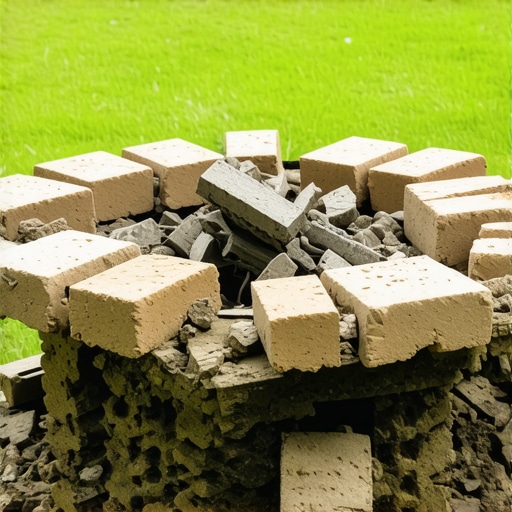
The Hardscape Autopsy: Why Your Fire Pit is Cracking
I recently got called out to tear up a $30,000 patio and fire pit assembly that was literally splitting down the middle because the previous contractor—a classic mow-and-blow outfit—skipped the 57 stone drainage layer and ignored the hydrostatic pressure building up in the subgrade. The homeowner thought they were saving money. Instead, they bought a pile of cracked masonry and a drainage nightmare. When you see a fire pit fail, it is rarely the stone’s fault. It is a failure of physics, engineering, and soil science. Most DIY fire pits fail within 12 months because of thermal expansion, poor drainage, and improper base compaction. Without a fire-rated inner liner and a compacted 21A modified stone base, heat cycles cause the outer masonry to crack while ground moisture induces frost heave or settling.
“A retaining wall doesn’t fail because of the stone; it fails because of the water trapped behind it.” – Hardscape Engineering Axiom
The Thermal Expansion Trap
Why do DIY fire pits crack in the first winter? Most people build fire pits out of standard concrete pavers from a big-box store. These are not rated for 1,200-degree temperatures. When concrete gets hot, the moisture trapped inside the pores expands. This is called spalling. If you do not have a steel fire ring or refractory fire bricks with a 2-inch air gap between the heat source and the decorative stone, your pit will explode. It is that simple. Don’t skip the liner.
The Engineering Behind the Base
Every failed project I inspect has one thing in common: a 2-inch base of