
The Reality of Thermal Expansion in Irrigation Systems
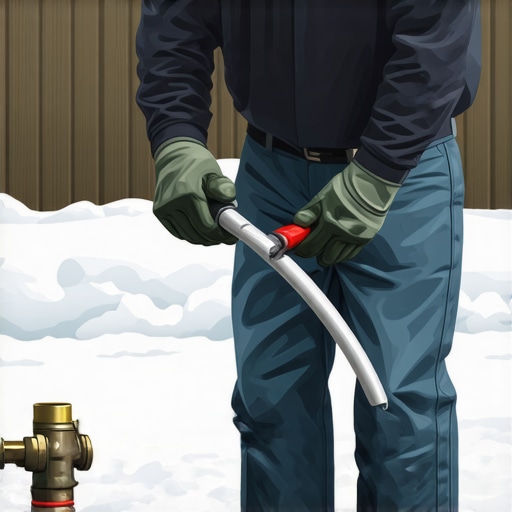
To prepare an irrigation system for a hard freeze, you must evacuate all water from the main and lateral lines using a high-volume air compressor to prevent thermal expansion from rupturing pipes. When water freezes, its volume increases by approximately 9 percent, creating internal pressures that exceed the burst rating of schedule 40 PVC and even ductile iron fittings.
I recently got called out to tear up a 30,000 dollar patio that was sinking because the previous contractor failed to winterize the underlying irrigation lines properly. The pipes burst directly beneath the pavers. As the ice melted in the spring, it created a subterranean cavern, washing away the modified gravel base and causing the entire hardscape to collapse into a mud pit. It was a forensic autopsy of negligence. The homeowner thought they had drained the system by gravity, but gravity is a fickle friend when you have low-head drainage points and undulating terrain. We had to excavate the entire area, replace the ruptured poly pipe, and rebuild the base from the subgrade up. It was an expensive lesson in hydrostatic pressure and thermal dynamics. Don’t be that homeowner. If you leave water in your lines, physics will find a way to escape, and it usually involves a jackhammer and a massive bill.
The Engineering Logic of Irrigation Blowouts
Professional winterization utilizes a high-volume air compressor (typically 185 CFM) to move large quantities of air at low pressure to purge water without damaging internal valve components. This process ensures that no pockets of water remain in low spots where they can freeze and create hairline fractures in the pipe walls.
| Method | Success Rate | Required Equipment | Primary Risk Factor |
|---|---|---|---|
| Manual Draining | 45% | None | Residual water in low sections |
| Auto-Drain Valves | 65% | Underground valves | Mechanical failure or clogging |
| Professional Blowout | 99% | 185 CFM Compressor | Excessive air friction heat |
The goal is not high pressure; it is high volume. Many DIYers try to use a small pancake compressor. It won’t work. You need the volume of air to push the ‘slug’ of water through the pipes. Using high PSI (over 80) is a recipe for disaster. It can literally melt the PVC from the inside out due to friction. We keep the pressure between 50 and 60 PSI for poly pipe and never exceed 80 PSI for PVC. It is about the cubic feet per minute, not the pounds per square inch. Slow and steady wins the race. Fast and high-pressure breaks the gear-driven rotors.
“Compressed air must be introduced at a high volume but regulated pressure to ensure water evacuation without melting the PVC pipe via friction heat.” – Agricultural Extension Service
How much air pressure is needed for an irrigation blowout?
For most residential systems, you should maintain air pressure between 50 and 80 PSI depending on the pipe material used. Polyethylene pipe is more flexible and should be kept on the lower end of that spectrum, while schedule 40 PVC can handle slightly higher pressures, provided the volume remains consistent to move water out of the heads.
Protecting the Backflow Preventer and Zone Valves
The backflow preventer is the most critical and expensive component to protect because it sits above the frost line and is directly exposed to ambient air temperatures. If the brass body of a Pressure Vacuum Breaker (PVB) or Reduced Pressure Zone (RPZ) assembly freezes, the internal poppets and springs will deform, rendering the unit illegal and non-functional.
- Shut off the main water supply in the basement or insulated crawlspace.
- Open all test cocks on the backflow preventer to a 45-degree angle.
- Drain the ‘stop and waste’ valve to clear the line between the shut-off and the backflow.
- Run each zone for 2 minutes via the controller to release residual pressure.
- Insulate the exposed portion of the riser with R-13 rated foam or fiberglass.
“A backflow preventer is the most vulnerable component of any irrigation system during a freeze event due to its exposure and the density of brass.” – Irrigation Association Technical Manual
How to drain an irrigation system manually?
To drain a system manually, you must locate the lowest points of the main line and lateral zones to open the manual drain valves. This method is only effective if the system was engineered with a consistent downward slope; otherwise, water will remain trapped in the middle of pipe runs, leading to freeze damage despite your efforts.
The Impact of Frozen Soil on New Sod and Landscaping
A hard freeze doesn’t just threaten the pipes; it threatens the root systems of new sod and landscape plants if the soil is not properly hydrated before the ground locks up. Moist soil acts as an insulator, holding more heat than dry soil, which protects the delicate root flares of newly installed nursery stock from desiccation.
During a yard cleanup, it is essential to ensure that mulch layers are at least 3 inches thick around new plantings. This acts as a thermal blanket. But don’t build mulch volcanoes against the trunk. It will rot the bark. We see this every year. Hacks come in, pile mulch 6 inches high against an oak tree, and then the freeze/thaw cycle traps moisture against the cambium layer. It kills the tree. Keep the mulch back 2 inches from the trunk. Focus on the drip line. This is where the roots are actually drinking and where the thermal protection is needed most. If you just did a sod install, the roots are shallow. They are incredibly susceptible to frost heave. You need that soil to stay put. Properly winterized irrigation ensures you can give the lawn one last deep soak before the hard freeze without worrying about your pipes exploding the next day.
Post-Freeze Maintenance and Spring Startup
Once the ground thaws, the transition back to an active irrigation schedule must be handled slowly to identify any minor leaks that occurred despite winterization. We always recommend a ‘slow fill’ of the main line to prevent water hammer, which can blow the heads right off the risers.
Check your 811 markings if you did any fall digging for new landscaping. Soil shifts. Frost heave can move rocks and debris into valve boxes. It is a messy business. But if you followed the blowout protocol, your system will be ready. If you didn’t, you’ll find out the moment you turn that main valve. The sound of rushing water where there shouldn’t be any is a sound no homeowner wants to hear. It sounds like money draining out of your bank account. Avoid it. Plan ahead. Hire a professional with a real compressor, not a toy. It is the cheapest insurance you will ever buy for your property.