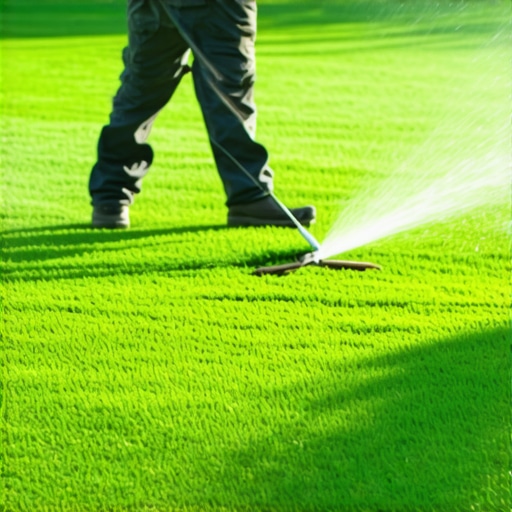
I vividly remember the day I ran outside after a heavy rain only to find my freshly laid sod already showing signs of stress—patchy spots and dull, brown edges. It was a harsh wake-up call that all the effort I poured into my yard might have been for nothing, or so I thought. That realization sparked a lightbulb moment: dirt and grass alone aren’t enough. To truly cultivate a vibrant, thriving lawn in 2025, I needed to understand the secrets of expert sod installation paired with the right irrigation strategies. If you’ve ever faced similar frustrations—watching your lush grass turn dull or dying—stick with me. Today, I’ll show you proven, practical techniques to turn your yard into the envy of the neighborhood.
Why Your Lawn’s Future Depends on Smart Sod and Water Strategies
Achieving a truly stunning yard isn’t just about laying down new sod; it’s about nurturing that grass with expert-level irrigation and ongoing care. The truth is, many homeowners underestimate how vital water management is during the critical establishment phase of sod. Early watering mistakes can sabotage what should be a lush haven. According to landscape professionals at Urban Landscaping X, improper irrigation can reduce sod survival rate by up to 50%. That’s a staggering figure, but it underscores how crucial it is to get it right from the outset. Have you experienced your new sod drying out too quickly or struggling to root? If so, you’re not alone—and the good news is, you can fix this with some insider tweaks.
Is Lush Lawn Hype or Reality? Here’s What I Messed Up Early On
One mistake I made early in my yard transformation was overwatering—thinking more water meant faster growth. Turns out, that’s a quick way to drown your new grass and promote disease. I learned the hard way that consistent, balanced watering is key. If you’re skeptical about whether expert irrigation strategies are worth the effort and expense, I get it. Trust me, I was in the same boat. But once I started applying targeted watering schedules and understanding the needs of my soil and grass type, my lawn started thriving. For detailed tips on getting your irrigation right, check out this guide. Overcoming these initial missteps made all the difference in my journey toward a perfect yard.
Start with Clean and Clear Soil
Before laying down new sod, remove all debris, weeds, and old grass. Use a rake or garden tiller to loosen compacted soil, ensuring good root contact. Think of this step as preparing a canvas; the foundation determines the entire masterpiece’s success. I once spent a Saturday peeling away stubborn weeds and leveling uneven patches, which made planting smoother and resulted in lush growth later.
Lay the Sod Effectively
Measure and cut your sod pieces precisely to fit your lawn’s shape. Start from one corner, unroll the sod without stretching, and stagger seams like bricks to prevent gaps. Use a sharp utility knife for tight spots. When I installed sod in my backyard, I made sure each piece was tightly fit, like fitting puzzle pieces, to minimize gaps and prevent weeds from sneaking through.
Water Immediately and Deeply
After installation, water your sod immediately—within 30 minutes if possible—to prevent it from drying out. Use a sprinkler to ensure even coverage—think of watering as giving your new grass its first hydration shot. I learned early on that shallow, frequent watering encourages shallow roots; instead, water deeply and less often to promote robust root systems. This approach is detailed in the expert guide.
Implement a Smart Watering Schedule
Create a consistent irrigation routine based on your soil type, grass variety, and weather. Water early in the morning to minimize evaporation, using a timer if possible. Aim for 1-1.5 inches of water per session—use rain gauges or tuna cans to measure. I once set up a simple hose timer, which took the guesswork out and kept my lawn evenly moist, leading to faster rooting and greening.
Adjust for Weather Conditions
On hot days, increase watering frequency, and during cooler or rainy periods, scale back. Watch the soil moisture—if it feels dry beneath the surface or the grass shows wilt, it’s a sign to water more. Using sensors or moisture meters can make this step precise, saving water and promoting healthy growth. Proper adjustment prevents overwatering, which can drown roots and invite disease, as I painfully realized when overwatering led to fungal issues.
Maintain and Monitor Regularly
Check your lawn weekly for dry patches, weeds, or pests. Mowing at the right height (generally 2.5-3 inches) encourages deep roots and shades out weeds—think of it as mowing a hedge to maintain density. Aerate annually to relieve soil compaction and allow water, air, and nutrients to penetrate deeply. I once aerated my yard in the fall, and the improved absorption made watering more effective and my grass greener.
Use Complementary Features
Consider adding a water feature or drip irrigation zones for specific areas—these can improve overall water efficiency. Properly designed landscaping not only conserves water but also enhances aesthetics. When I installed a small pond and targeted sprinklers, watering became more efficient, and the lawn’s health visibly improved, making my yard the envy of neighbors.
Many homeowners believe that yard cleanup, irrigation, landscaping, and sod installation are straightforward tasks that require minimal planning—simply clear debris, water regularly, plant some grass, and enjoy. However, this oversimplified view often leads to costly mistakes and subpar results. Let’s examine some of the most prevalent myths and advanced nuances that can make or break your yard’s success.
One widespread misconception is that more frequent watering always benefits your lawn. In reality, overwatering can drown roots, promote fungal diseases, and wash away essential nutrients. According to turfgrass expert Dr. Jim Brosnan, excessive watering leads to shallow root development, making your lawn vulnerable to drought and pests. Instead, deep and infrequent watering encourages stronger, drought-resistant roots. This is a nuanced approach that many overlook, thinking that constant moisture equates to health.
Another mistake involves assuming that the appearance of a tidy yard mirrors good health. While removing debris and unnecessary plants is essential, neglecting soil quality can sabotage your efforts. Healthy soil acts as the foundation for successful landscaping and sod installation. Experts recommend testing soil pH and nutrient levels regularly. If ignored, compacted or nutrient-poor soil can prevent grass roots from establishing, regardless of how much you water or fertilize. To learn more about boosting your soil health, visit this guide.
A particularly tricky nuance is the timing and method of sod installation. Many think laying sod is just unrolling grass and waiting. But the stages during installation—such as soil prep, precise cutting, and immediate watering—are critical. Overlooking these details can lead to poor root contact, increased weed invasion, and uneven growth. A common error is installing sod during extreme temperatures without adjusting watering schedules, which can cause stress or failure. Advanced installers recommend scheduling installation during optimal weather conditions and using soil amendments if necessary. For expert advice, I suggest reviewing these advanced strategies.
Have you ever fallen into this trap? Let me know in the comments.
Thinking beyond basic practices, understanding the importance of precise irrigation system design can dramatically improve your yard’s resilience. Many overlook factors like emitter placement, pressure regulation, and zone zoning, which are crucial for uniform watering and avoiding runoff or dry patches. Implementing a well-designed irrigation plan tailored to your landscape can prevent most common issues, saving time and water in the long run. For a deeper dive into expert irrigation techniques, visit this detailed resource.
Finally, neglecting regular maintenance and monitoring is a silent culprit behind many yard failures. Even a perfect initial installation and system will falter if not checked periodically. Look out for clogged emitters, uneven terrain, or shifts in plant health, and address issues promptly. Proactive management ensures your landscape remains lush and resilient year-round.
In conclusion, debunking myths and paying attention to nuanced details—like proper soil preparation, irrigation schedules, and installation timing—are vital for a thriving yard. Don’t settle for surface-level efforts; embrace the expert strategies that turn your yard from good to stunning in 2025.
Keep Your Yard Running Smoothly with the Right Tools
Maintaining a healthy, lush lawn over years requires more than just good intentions; it demands reliable equipment and smart technology. In my experience, selecting the right tools has made the difference between a yard that thrives and one that struggles. I rely heavily on a high-quality soil moisture meter, like the for precise watering adjustments, ensuring I don’t overdo or underdo my irrigation schedule. Additionally, I swear by a durable, adjustable rake, such as the which makes debris removal and soil aeration both efficient and less labor-intensive. As long-term results are the goal, investing in tools that offer accuracy and durability is crucial. Looking ahead, automation and smart tech integration will revolutionize yard care. Wi-Fi connected irrigation controllers like the smart sprinkler controllers will learn your lawn’s patterns and weather changes, adjusting watering precisely without your intervention. Software-based landscape design platforms are also gaining popularity, enabling homeowners to visualize upgrades and manage maintenance schedules seamlessly, saving time and resources over the long haul. Regular inspections are key. Check for clogged emitters, leaks, and pressure inconsistencies—think of it as giving your system a health check. I schedule a comprehensive system review at least twice a year, aligned with seasonal changes, to prevent minor issues from becoming costly repairs. Lubricating moving parts and updating software or firmware on smart controllers ensures everything runs efficiently. According to expert advice, proactive maintenance extends system lifespan and keeps your lawn’s hydration on point. Implement these tools and routines today, and you’ll enjoy a greener, healthier yard year after year. Try calibrating your moisture meter or scheduling that biannual system inspection — small actions that deliver lasting results. Remember, technology and proper care working together is the formula for a landscape that impresses long-term. One of the most eye-opening lessons I encountered was realizing that rushing the irrigation process can do more harm than good. I used to believe that frequent watering would speed up the grass’s establishment, but it led to fungal issues and shallow roots. Today, I understand that patience and strategic watering schedules are essential for long-term health. Embracing this mindset transformed my yard into a resilient, lush landscape that requires less maintenance over time. Investing in quality tools, such as a reliable moisture meter like the XLUX T10 Digital Moisture Meter, has been a game-changer for me. It removes guesswork from watering and helps me maintain optimal soil moisture levels. Additionally, tools like a sturdy adjustable rake, e.g., the True Temper Rake, make debris removal and aeration effortless, ensuring my turf stays healthy and vigorous. Trusting these tools has improved my yard’s consistency and appearance significantly. The future of yard care is exciting, especially with emerging smart irrigation controllers like those discussed in this resource. These devices learn your lawn’s unique needs and adapt watering schedules automatically, saving water and money while promoting lush growth. Taking action now by integrating such technology can lead to a yard that not only looks stunning but also functions efficiently year-round. What specific step are you planning to implement next to elevate your yard’s health? Share your thoughts below, and let’s grow together.Future of Yard Maintenance Technology
How do I maintain my irrigation system over time?
The Hardest Lesson I Learned About Yard Revival
Tools That Turn Ordinary Gardening Into Art
Picture Your Dream Yard and Make It Happen