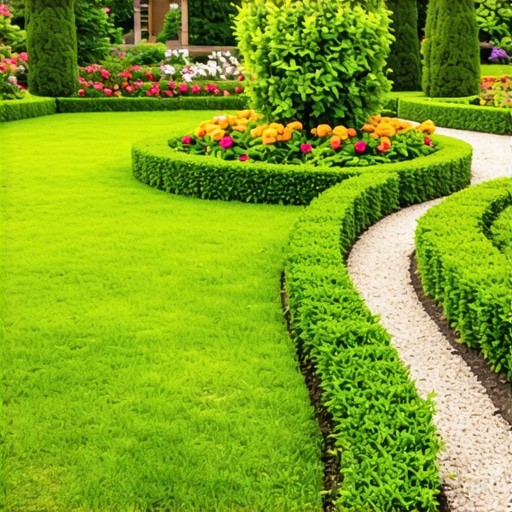
I remember the first time I realized that neglecting my yard was much like ignoring my own backyard—messy, overwhelming, and honestly, a bit embarrassing. One spring morning, as I stepped outside, I was greeted not by the vibrant greenery I envisioned but by a jungle of weeds, fallen leaves, and patchy grass. That’s when it hit me—my garden was suffering because I had overlooked some simple yet crucial maintenance steps. Have you ever faced that frustrating moment where your yard just doesn’t reflect the effort you wish you could put into it? Well, you’re not alone, and the good news is, there’s a way to turn things around.
Why Proper Yard Cleanup and Landscaping Are Game-Changers for 2025
Everyone dreams of a lush, inviting garden—an oasis that beckons friends, family, and even just your own peaceful retreat. But here’s the catch: without regular, expert-level yard cleanup and strategic landscaping, those dreams often remain out of reach. A study published by the National Association of Landscape Professionals highlights that well-maintained yards can boost your home’s value by up to 15%. That’s a tangible benefit that shouldn’t be overlooked, especially as we head into 2025 and consider the investment in our properties.
The key to transforming your outdoor space doesn’t just lie in occasional planting or mowing. It’s about adopting a comprehensive approach that includes meticulous yard cleanup, smart landscaping, and efficient irrigation strategies. When I initially skipped the cleanup phase and went straight to planting, I encountered issues like uneven growth and weed invasions. Early mistakes like this are common—most folks overlook the importance of a clean slate before upgrading their landscape.
To truly elevate your yard, you’ll want to incorporate expert tips that streamline the process and maximize your results. In the sections ahead, I’ll guide you through proven methods that I’ve personally tested, ensuring your garden will be the envy of neighbors in 2025. From mastering yard cleanup to selecting the right irrigation solutions, this is your pathway to a picture-perfect garden.
Are you tired of battling weeds and patchy lawns and ready to see real progress? If so, let’s dive into the essentials that will set you up for success this year and beyond.
Start with a Clear Plan and Clear the Clutter
Before planting or installing new sod, picture your ideal garden. Draw a rough map marking zones for grass, flower beds, and pathways. Then, gather your tools and clear away debris, dead plants, and weeds. Think of yard cleanup as resetting the canvas. During one project, I started by raking and removing years of overgrowth, which felt overwhelming at first. However, the spotless baseline made subsequent steps much smoother, and I saw immediate progress. For detailed yard cleanup techniques, visit this guide.
Prepare the Soil for Growth and Vitality
Loosen compacted ground with a heavy-duty rake or tiller, and mix in compost or organic fertilizers. Imagine your soil as a foundation; the healthier it is, the better your plants will thrive. Once, I used a garden fork to aerate the soil in sections, which allowed water and nutrients to penetrate deep. This step is crucial whether you’re planting new grass or improving existing lawns. For expert tips, check this resource.
Install Efficient Irrigation Systems Early
Proper irrigation is the backbone of a lush yard. Think of irrigation like a series of veins distributing vital fluids; if it’s clogged or uneven, your garden suffers. I opted for a programmable sprinkler system connected to drip lines for flower beds, which ensured consistent watering without waste. Start with a detailed layout, marking where water will flow, then install valves, timers, and emitters accordingly. For specific guidance, see this expert advice.
Lay Down Healthy, Vibrant Sod with Precision
When installing sod, prepare your soil with care—remove rocks, level out humps, and ensure moisture retention. Think of sod like laying down a new carpet: it needs to sit evenly for a smooth appearance. I learned this firsthand when I tried to rush the process; uneven edges and gaps resulted. Instead, I watered heavily after laying and used a rolling pin to press the sod into contact with the soil, promoting root growth. For optimal sodding techniques, read this detailed guide.
Combine Landscaping Elements for Maximum Impact
Integrate shrubs, trees, and pathways thoughtfully to create visual interest. Imagine your yard as a balanced composition—each element complements the other. For instance, planting evergreens along a fence provides privacy and greenery year-round. When I added a meandering stone pathway through flower beds, the garden looked pulled together instantly. Use layered planting to add depth, and space trees appropriately to avoid overcrowding. For inspiring ideas, explore this resource.
Maintain with Routine Checks and Adjustments
Regularly inspect your irrigation, prune overgrown plants, and replace worn mulch. Think of this as regular health check-ups for your yard; early detection prevents bigger problems. I scheduled monthly evaluations, which kept my garden vibrant and pest-free. Keeping a detailed calendar for maintenance tasks ensures nothing gets overlooked. For expert advice on ongoing yard care, look at this article.
Many homeowners believe that watering their yard daily guarantees lush growth, but in reality, overwatering can promote fungal diseases and waste water, undermining your efforts. Proper irrigation design, including understanding the soil’s needs and drainage patterns, is critical; as expert landscapers note, uneven watering can cause patchy growth and increase weed problems. Additionally, there’s a widespread myth that yard cleanup involves only removing leaves; instead, neglecting soil aeration and root health during cleanup can impair plant vitality. When it comes to sod installation, many rush the process, but without ensuring soil is properly prepared and level, the lawn will struggle to establish truly, leading to uneven coverage and future patchiness. Regarding landscaping, the mistake is choosing plants solely based on appearance without considering their growth habits or compatibility with local climate—this can result in added maintenance and plant failure. Let’s also address this question: How can advanced irrigation systems prevent water waste and improve lawn health? The answer lies in integrating zone-specific watering and smart controllers, which research from the University of California highlights as efficient ways to conserve water while maintaining lush landscapes. Have you ever fallen into this trap? Let me know in the comments.Maintaining a thriving yard requires the right equipment and techniques, especially as technology advances and garden demands become more sophisticated. Over the years, I’ve tested a variety of tools—some worth their weight in gold, others best left on the shelf. Today, I want to share the specific tools I rely on to keep my garden in top shape, and how they can make your maintenance routine more effective and less time-consuming.
First up is a high-quality cordless hedge trimmer. I personally prefer models with lithium-ion batteries that provide plenty of runtime without the cords tangling or limiting movement. The Makita XHU07Z, for example, offers powerful dual blades and a comfortable grip, making pruning large shrubs a breeze. Using reliable equipment like this means I can tackle overgrown bushes quickly, ensuring my landscape remains neat and inviting.
Another essential is a digital soil tester. Accurate soil testing allows me to adjust my fertilization and watering schedules precisely, preventing over- or under-watering. I’ve found handheld electronic testers from brands like La Crosse Technology to be particularly effective; they provide instant readings of pH, moisture, and temperature. This data enables me to identify areas that need aeration or additional nutrients, promoting healthier grass and plants.
For lawn mowing, I swear by a robotic mower. The Husqvarna Automower, for instance, automates regular mowing, maintaining an even, lush lawn with minimal effort on my part. It’s especially advantageous during the growing season, and I can schedule it to operate overnight, keeping my yard pristine without disturbing my busy days.
I also rely on a pressure washer for yard cleanup, deck maintenance, and even prepping surfaces before sod installation. A model with adjustable pressure settings gives me control to clean without damaging delicate plants or surfaces. Regular use keeps dirt, moss, and algae at bay, preserving the aesthetic appeal of my outdoor spaces.
Looking ahead, I predict that smart irrigation systems integrated with weather data will become standard in effective garden maintenance. These systems can adjust watering schedules based on rainfall forecasts, conserving water and reducing bills. As an example, the Rachio Smart Sprinkler Controller connects to weather services, ensuring your yard gets exactly what it needs.
How do I keep my tools functioning over the long haul?
Regular maintenance is key. Sharpen blades on trimmers and mowers to ensure clean cuts, replace batteries as they degrade, and keep your equipment clean and dry to prevent rust. Scheduling routine checks—at least once a season—keeps everything performing at peak levels. For detailed guidance on tool maintenance, visit this resource.
To truly maximize your yard’s potential, I encourage you to try integrating a smart irrigation controller. It’s a game-changer for water efficiency and plant health. With the array of tools available today, maintaining a beautiful garden in 2025 is more manageable—and more rewarding—than ever before.
The Hidden Truths That Changed My Approach to Yard Care
One of the most surprising insights I gained was realizing that neglect often stems from overlooking the foundational steps. Proper preparation, especially soil health and thorough cleanup, sets the stage for everything else. I once jumped into planting without clearing the old debris, leading to patchy growth and weed invasions—an avoidable mistake that taught me the importance of building a solid groundwork.
Another lesson was recognizing the myth that more water equals a better lawn. Overwatering destroyed some of my early efforts, emphasizing the significance of tailored irrigation based on soil type and plant needs. Installing a smart irrigation system was a game-changer, conserving water and promoting healthier growth without waste.
Finally, I learned that integrating landscaping elements intentionally—like selecting plants suitable for my climate and designing pathways—creates harmony and reduces maintenance. Insights like these transformed my yard from a chore into a personal sanctuary, and I believe they can do the same for you.
Tools and Resources That Made the Difference
My essential toolkit includes a high-quality soil tester—I trust models from La Crosse Technology for accurate readings, helping me fine-tune watering and fertilizing. A cordless hedge trimmer from Makita simplifies pruning, making quick work of overgrown bushes. For lawn maintenance, the Husqvarna Automower keeps my grass even and lush, freeing me from constant mowing chores. I’ve also found that the Rachio Smart Sprinkler Controller introduces efficiency by adjusting watering schedules based on real-time weather data, saving water and promoting healthy lawn growth. These tools have consistently enhanced my yard care routine, and I recommend them wholeheartedly to anyone aiming for a thriving outdoor space.
Time to Transform Your Space and Enjoy the Fruits of Your Labor
Embarking on your yard transformation might seem daunting, but with the right mindset and tools, your garden can become the oasis you’ve envisioned. Each step, from cleanup to planting, is an investment in beauty and peace of mind. Don’t wait for the perfect moment—start today, experiment with new techniques, and watch your outdoor space flourish. Remember, a well-maintained yard isn’t just about aesthetics; it’s about creating a sanctuary where memories grow and relaxation blooms. Now, tell me—what’s the first change you’ll make to elevate your yard this season? Let’s chat below and inspire each other to cultivate the garden of our dreams.