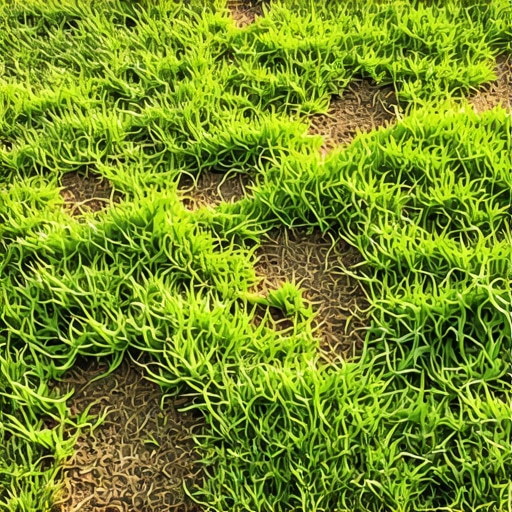
I remember the first time I laid down fresh sod in my yard—hopeful, excited, dreaming of a lush green lawn that would be the envy of my neighborhood. But just weeks later, I found myself staring at a patchy, brown mess, wondering what went wrong. It was a lightbulb moment for me, realizing that despite following basic instructions, I had overlooked some critical planting errors that could turn my dream yard into a stressful project.
If you’ve recently installed new sod and are now questioning why your grass isn’t thriving, you’re not alone. Many homeowners face the frustrating reality of brown, unhealthy patches after planting, often because of avoidable mistakes. The good news? Most of these issues are fixable with a little know-how and some practical adjustments.
Today, we’re going to zero in on the common planting errors that could be causing your new sod to turn brown and how to fix them. Whether you’re aiming for a vibrant lawn this year or planning ahead for 2026, understanding these pitfalls can save you time, money, and unnecessary stress.
How to Prevent Your Sod from Browning After Planting
One mistake I made early on was overwatering my sod—thinking more water would help it establish faster. However, this led to root rot and fungal issues, which only worsened the browning. I learned that proper irrigation is critical, and knowing how to balance watering is essential. For expert advice on irrigation strategies that promote healthy sod, check out [top-sod-install-irrigation-tips-for-a-lush-lawn-in-2025](https://urbanlandscapingx.com/top-sod-install-irrigation-tips-for-a-lush-lawn-in-2025). Understanding these principles can be the difference between a thriving lawn and a soggy, dying patch.
Are you currently battling browning patches in your new lawn? If so, identifying the root cause early can help you decide on the right fix. Let’s dive into the four biggest planting errors and how to address them effectively.
Assess Your Soil and Light Conditions Immediately
When I first noticed brown patches after planting my sod, I realized I overlooked the importance of soil quality and sunlight exposure. Use a soil testing kit to check pH and nutrient levels—poor soil can hinder root growth. If soil is too acidic or lacks nutrients, amend it with appropriate fertilizers or lime, and consider aerating to improve drainage. Examine your yard’s sunlight—sod needs at least 6 hours of direct sun daily. If shaded, opt for shade-tolerant grass varieties and trim back overhanging branches to enhance light exposure.
Refine Your Watering Technique to Prevent Overwatering
I used to believe that more water meant faster establishment, but overwatering my new sod led to root rot. To get it right, water deeply but infrequently—about 1 to 1.5 inches per week—allowing roots to grow deeper and stronger. Use a rain gauge or empty tuna can to measure water from sprinklers, ensuring uniform coverage. Avoid watering late in the day to prevent fungal diseases. A good practice is to water until the soil is moist a few inches down, then pause until it dries out slightly, mimicking natural rain patterns.
Implement Core Aeration and Proper Soil Preparation
Early on, I skipped aerating my compacted soil, which hampered root penetration. Aeration creates tiny holes that improve airflow, water absorption, and nutrient access for roots. Use a core aerator, pulling plugs out of the soil; it’s like punching tiny holes in a sponge to let water and air circulate. Before installing sod, till the top 2-3 inches and mix in compost or high-quality topsoil to enhance fertility. This step ensures the roots can anchor effectively and access essential nutrients, preventing browning caused by poor soil conditions.
Choose the Right Fertilizer and Application Schedule
Applying fertilizer too early or in wrong amounts burned my grass, causing further damage. Opt for a starter fertilizer high in phosphorus during the first few weeks post-installation—this encourages root development. Follow the recommended application rates meticulously, spreading it evenly with a broadcast spreader. Water immediately after fertilizing to help nutrients penetrate the soil. Regularly monitor your lawn’s response; if patches persist, a supplemental feeding with balanced nitrogen can promote lush growth, but avoid over-fertilizing, which can stress the roots.
Maintain a Consistent Mowing and Trimming Routine
I learned that irregular mowing stressed my sod, making it more susceptible to browning. Set your mower blades to cut at about 2.5 to 3 inches—the ideal height for most grass types—and mow regularly, removing no more than a third of the grass blade at a time. Keep blades sharp to prevent tearing, which can lead to fungal infections. Proper mowing helps the grass develop a denser canopy, outcompeting weeds and preventing patchiness. It also encourages the turf to become more resilient against environmental stresses.
While many homeowners focus on the obvious aspects of yard care, such as trimming or installing new sod, there’s a tangled web of misconceptions that can undermine even the best intentions. One common myth is that more aggressive yard cleanup, like removing every leaf and twig indiscriminately, always leads to a healthier yard. In reality, gentle, strategic cleanup preserves beneficial soil organisms and mulch layers that protect roots and retain moisture. Overzealous cleanup can expose fragile roots to the elements and disturb the ecosystem, leading to unintended consequences. For expert insights on optimal yard cleanup strategies that benefit your landscape, check out [pro yard cleanup landscaping tips for a stunning 2025 garden](https://urbanlandscapingx.com/pro-yard-cleanup-landscaping-tips-2025).
Invest in Reliable Equipment and Digital Tools to Keep Your Yard in Top Shape
Having the right tools is the backbone of effective yard maintenance. Personally, I swear by a high-quality handheld soil tester because it allows me to quickly assess soil pH and nutrient levels, helping me make informed decisions about fertilization and soil amendments. For example, after noticing persistent brown patches, I used the tester to confirm pH imbalance, which was a game-changer in restoring my turf’s health. Incorporating precision tools like this minimizes guesswork and ensures your efforts are targeted and cost-effective.
Beyond soil testing, a durable electric dethatcher has revolutionized my approach to long-term yard care. Regular dethatching removes built-up organic matter that can suffocate grass roots, improving air, water, and nutrient penetration—crucial for maintaining lush, green lawns. I opt for a model with adjustable depth control, which I set according to the season and grass type, ensuring I don’t damage the roots while enhancing overall turf resilience. These tools have become indispensable in my landscaping arsenal, especially when managing larger areas or recovering from overwatering damage.
In today’s tech-driven landscape, software like landscaping management apps helps track maintenance schedules, fertilizer applications, and watering routines. Such digital solutions make it easier to maintain consistency, which is vital for long-term results. I personally use a weather integration feature that adjusts watering schedules based on forecast data, preventing overwatering or drought stress—an increasingly important feature as climate patterns shift.
Trend prediction suggests a growing advancement in automated irrigation systems integrated with smart sensors. Imagine a system that detects soil moisture levels and adjusts watering automatically—saving water, reducing manual oversight, and promoting healthier lawns. These systems, when properly calibrated and maintained, can last for several seasons and drastically improve yard sustainability. For detailed guidance, check out this resource on irrigation strategies.
How Do I Maintain My Yard Tools Over Time?
Keeping your equipment functioning effectively requires regular maintenance—cleaning, sharpening blades, and lubricating moving parts. For instance, I sharpen my dethatcher’s tines quarterly to ensure it performs efficiently without damaging the grass. Additionally, storing tools in a dry, organized space prevents rust and extends their lifespan. Investing in a small, handheld engine oiling spray has saved me time and money, as it prevents corrosion and keeps my power tools running smoothly.
Starting with sharp blades and properly calibrated systems is crucial. A well-maintained tool performs with less effort and achieves better results, ultimately saving you time and reducing frustration. According to field experts like Purdue Extension, routine equipment checks are vital for sustainable landscape management. Establish a seasonal maintenance schedule, and resist the temptation to postpone or skip these tasks—your yard will thank you with consistent, beautiful growth.
Finally, consider upgrading to smarter tools as technology evolves. For example, robotic mowbots now offer programmable options that can operate unattended, maintaining a neat appearance without manual effort. Experimenting with this technology might just be the leap you need toward more efficient, scalable maintenance routines.
The Hardest Lesson I Learned About Yard Cleanup and Sod Installation
One of the most valuable lessons I discovered was the importance of gentle yard cleanup. Stripping away every leaf or twig indiscriminately might seem cleanup, but it can do more harm than good by disturbing beneficial soil organisms and exposing roots to harsh elements, ultimately hindering sod health. Learning to balance debris removal with preservation fostered a more resilient lawn.
My Surprising Revelation About Overwatering and Irrigation Strategies
Overwatering was a common trap I fell into early on, believing that generously watering would speed up sod establishment. It instead led to root rot and fungal issues. Connecting with expert tips revealed that deep, infrequent watering—about once a week—encourages stronger roots. Incorporating smart irrigation systems that monitor soil moisture has transformed my approach, reducing waste and promoting vibrant growth, as explained in this guide to smart irrigation.
Why Pretending Turf Problems Will Fix Themselves Is a Mistake
I used to think that patchy, brown sod would recover on its own, but neglect only worsened the situation. Recognizing the need for proactive maintenance, such as aeration and soil amendments, proved crucial. Sometimes, a little effort—like core aeration or targeted fertilization—can turn a failing patch into a lush, healthy area. For insights on rejuvenating struggling lawns, I recommend checking this resource on sod revival.
Getting Real About Yard Equipment and Digital Tools That Save Time
Regularly maintaining my tools—sharpening blades, lubricating parts, and proper storage—has kept my equipment performing well and extended their lifespan. Technology has also played a big role; using soil testers and digital scheduling apps helps me stay consistent and informed. For example, I rely on weather-integrated watering plans to prevent overwatering, making my yard care more efficient and effective, as outlined in this expert advice.
What I Wish I Had Known Before Starting My Yard Overhaul
Looking back, I wish I had prioritized soil testing and chosen the right grass variety for my yard’s sunlight and moisture conditions. These foundational steps set the tone for success. Investing time up front in soil amendments and selecting compatible turf, as detailed in top strategies for sod installation, can save countless frustrations later. Embracing professional guidance maximizing results and minimizing setbacks.