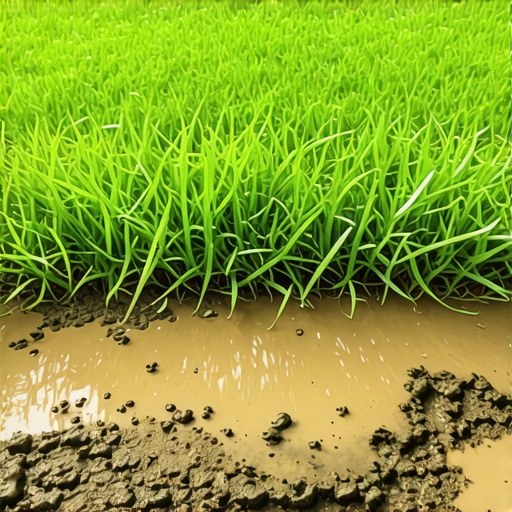
I remember the day I laid down my first patch of fresh sod. The excitement was palpable — a lush green carpet transforming my yard into a personal paradise. But within weeks, that vibrant color started dulling. Then, patches of grass began browning, and no matter how much I watered, it only seemed to worsen. It was a discouraging realization that I was unintentionally drowning my new lawn.
That lightbulb moment hit hard: I was overwatering. It seemed logical—more water, healthier grass, right? But turns out, excess water can do more harm than good. Over time, I learned that too much water can suffocate roots, promote disease, and even lead to your sod dying off faster than you expected.
If you’ve recently installed sod or are planning to, understanding the signs of overwatering is crucial. Today, I’ll share personal insights and practical tips to help you recognize these signs early, so your lawn can thrive instead of fend for survival. Trust me, catching these issues before they take hold can save you both time and money.
Let’s explore the top four overwatering signs that might be silently destroying your lush new sod and how you can stop it in its tracks.
Why Overwatering Can Kill Your Lawn, Not Save It
Overwatering might seem beneficial at first, but it actually deprives your grass of essential air and causes root rot. According to the University of Arizona Cooperative Extension, too much water can lead to shallow roots, making your lawn more susceptible to drought stress and pests. Plus, standing water invites fungal diseases, which further weaken your grass.
In my early days of lawn care, I made the mistake of watering based on a set schedule without checking the soil moisture. That was a costly error. The soil stayed saturated, roots couldn’t breathe, and I ended up with a patchy, sickly yard.
Have you experienced similar struggles with overwatering? If so, know you’re not alone—many new lawn owners fall into this trap. The good news is, with a few simple tactics, you can identify and correct overwatering before it causes permanent damage.
Ready to dive into the signs and solutions? You’ll find that understanding your lawn’s watering needs is easier than you think, especially when you know what to watch for. Let’s get into the specific symptoms that reveal overwatering, so you can act swiftly to protect your investment and enjoy a thriving, healthy lawn.
Check Soil Moisture Effectively
Start by inserting a soil moisture probe or using a screwdriver to test different areas of your lawn. If the soil feels soggy or the tool penetrates easily without resistance, overwatering is likely. I once pushed a screwdriver into my yard and watched it sink like a hot knife through butter. That messily confirmed my waterlogged ground, prompting me to adjust my watering schedule.
Monitor Watering Timing and Frequency
Set a strict watering routine based on the season and weather. For example, early mornings are best—avoiding midday evaporation. Initially, I watered every day, thinking my new sod needed constant hydration. After reading a pro landscaping article (see this guide), I halved the frequency, which allowed the roots to deepen and my grass to strengthen.
Observe Visual Signs and Lawn Texture
Your lawn should be firm and resilient, not squishy or overly wet. Spongy areas indicate water accumulation. I recall walking barefoot during a rainless morning and feeling the grass give way beneath me—clear evidence I needed to reduce my watering.
Implement Proper Drainage Solutions
If puddles persist, consider grading your yard or installing gutters and drainage pipes. I once demoed a small section of my yard to regrade and installed a French drain (see how) that significantly improved water runoff, preventing saturation and root rot.
Adjust Your Irrigation System
If using sprinklers, set timers carefully to prevent overwatering. Regularly inspect spray patterns to avoid overlap and excessive coverage. I tested different zones and reduced run times after noticing puddles forming, which boosted lawn health—making my investment in proper irrigation pay off.
Utilize Rain Gauges and Smart Controls
Attach rain gauges to your system or use smart irrigation controllers that adapt to actual weather conditions. I added a rain sensor to my controller, which automatically paused watering during rainfall, conserving water and preventing overwatering. This simple tweak made a visible difference quickly.
Evaluate and Modify Regularly
Consistently check soil moisture and lawn appearance weekly. Remember, overwatering isn’t just about watering less—it’s about watering smarter. I kept a lawn journal and after a few adjustments, my sod thrived, with deep roots and vibrant green patches, versus the dull, patchy waste of overwatering.
Many homeowners and even seasoned landscapers often fall prey to misconceptions that can undermine the health and beauty of their lawns. One pervasive myth is that more frequent or heavier watering will always yield a lusher yard. While this might seem intuitive, overwatering can lead to root rot and fungal diseases, ultimately harming your grass. Contrary to popular belief, proper irrigation involves not just quantity but timing, soil type, and plant needs, which many overlook. For advanced landscapers, understanding soil microbiome interactions reveals that excessive water disrupts beneficial organisms, impairing soil health and plant vitality — a fact supported by recent studies in soil ecology. When planning yard cleanup or landscaping, it’s essential to recognize that neglecting proper drainage solutions—like grading or installing French drains—can trap water, exacerbating root issues and delaying grass establishment. An often-overlooked detail is that sod installation isn’t just about laying grass; it requires meticulous preparation, including soil testing and aeration, to ensure roots establish quickly. Many get this step wrong, leading to poor sod adhesion or shallow rooting. I learned this the hard way after my initial install, which resulted in patchy results and a fragile lawn that struggled during dry spells. If you’re seeking to truly optimize your yard’s health, consider integrating smart irrigation controllers that adapt watering schedules based on weather patterns. These devices can dramatically reduce water waste and prevent accidental overwatering, which is a common mistake. Moreover, understanding the nuances of landscape design—such as selecting native plants that require less water and maintenance—can provide long-term sustainability benefits. The key is to balance aesthetic desires with ecological responsibility, a sophisticated approach many beginners aren’t aware of. Want to avoid common pitfalls? Regularly monitoring soil moisture and adjusting your strategies accordingly can save you money, time, and frustration. For in-depth guides on irrigation or sod installation, check out our comprehensive resources linked throughout this discussion. Have you ever fallen into this trap? Let me know in the comments.Maintaining a thriving lawn over time requires not just knowledge but also the right equipment and software. Choosing the appropriate tools can significantly reduce effort, prevent common issues like overwatering, and keep your landscape looking lush year-round. One of my go-to products is the **XL Pro Soil Moisture Meter**—I personally rely on it daily to gauge soil moisture levels accurately and avoid unnecessary watering. It provides instant digital readings, making it easier to make informed watering decisions, especially during unpredictable weather patterns. Regularly checking soil moisture helps prevent overwatering, which can lead to root rot and fungal diseases, saving both time and resources.
Another essential device is a programmable **Smart Irrigation Controller**. I use the **RainMachine Touch HD**, which integrates weather forecasts and soil data to automate watering schedules precisely. This system ensures I only water when necessary, reducing waste and promoting deeper roots. As watering technology advances, these controllers are becoming more accessible and user-friendly, indicating a trend toward smarter, eco-friendly yard management.
When it comes to maintenance routines, software such as **Landscaper Pro** has been transformative. It allows me to plan fertilization, aeration, and overseeding schedules, ensuring each task aligns with seasonal needs. These tools not only streamline garden care but also provide reminders and progress tracking, which help sustain long-term results.
For those eager to embrace future trends, integrating **drone technology** for yard inspection is on the rise. Drones equipped with NDVI sensors can assess plant health over vast areas quickly, detecting issues like nutrient deficiencies or pests before they become visible to the naked eye. While this may sound advanced, entry-level drones are becoming more affordable, making preventative care accessible.
How do I maintain my yard tools and systems over time?
Regular cleaning, calibration, and software updates are critical. I schedule monthly maintenance checks—cleaning soil probes after each use, updating irrigation controllers with the latest firmware, and inspecting drones for mechanical issues. This proactive approach extends equipment lifespan and ensures consistent performance. Remember, investing in quality tools and keeping them in optimal condition is vital for long-term success. For practical steps on integrating these tools into your routine, review our guide on effective irrigation system design, which offers detailed tips on selecting and maintaining your watering infrastructure. Don’t hesitate to try out an advanced soil moisture sensor or automation system—small upgrades can make a significant difference in your landscape’s health and appearance.
What the Lawn Taught Me About Overwatering
One unexpected lesson I learned was that despite my best intentions, my obsession with keeping the grass lush was actually harming it. The biggest insight? Overwatering creates a false sense of security while slowly inviting root rot and disease. This lightbulb moment pushed me to observe my yard more critically, and I realized that balancing water was an art I needed to master—not just a routine task.
The Power of Simplicity in Yard Care
Sometimes, I get caught up chasing the latest gadgets or complex watering schedules. But the real game-changer? Keeping things straightforward—using soil moisture meters, setting timers carefully, and doing weekly checks. These simple practices ensured I wasn’t overloading the roots with water, leading to stronger, deeper roots and a healthier lawn overall. Trusting basic tools and routines often beats overcomplication, especially for DIY enthusiasts.
My Surprise Revelation: Nature Knows Best
Monitoring weather patterns and listening to my yard’s signals taught me that nature often provides the best guidance. When I integrated rain sensors and smart controllers, I learned that letting the weather dictate watering reduces waste and prevents drowning the grass. It’s a reminder that working with nature rather than against it leads to more sustainable and beautiful yards. This approach also minimizes the guesswork and keeps your lawn resilient through changing seasons.
Crunching the Data: The Secret Weapon
Using soil moisture probes was a revelation—an investment that paid off by revealing exactly when and how much to water. I found that constant data collection helped me fine-tune my schedule, avoiding the pitfalls of overwatering. When I paired these tools with a regular lawn journal, I could spot trends and adjust proactively, saving time and resources while nurturing a lush, healthy lawn. If you want to go beyond guesswork, embracing data-driven techniques makes all the difference.
Curated Resources for Yard Success
Over the years, I’ve found that reliable tools and expert advice elevate my yard care routine. For starters, I trust the top irrigation and yard cleanup strategies for 2025—it’s packed with insights on smart watering practices and maintenance tips. My favorite soil moisture meter is the XL Pro Soil Moisture Meter, which provides quick, accurate readings. Moreover, the pro resources on sod installation and irrigation have guided me through complex projects with confidence. These tools and knowledge bases continually empower me to keep my lawn thriving.
Your Next Step Toward a Lush Lawn
Remember, the journey to a healthy, vibrant yard is about consistency, learning, and adapting. Embrace smart watering techniques, leverage reliable tools, and tune into your yard’s signals. Every season offers new lessons—so don’t hesitate to experiment and improve. With patience and the right strategies, your lawn can become a lush paradise that reflects your dedication and care. Ready to make your yard the envy of the neighborhood? Step out, observe, and take action today!
What tips or tools have you tried to prevent overwatering? Share your experiences below—I’d love to hear what worked for you!