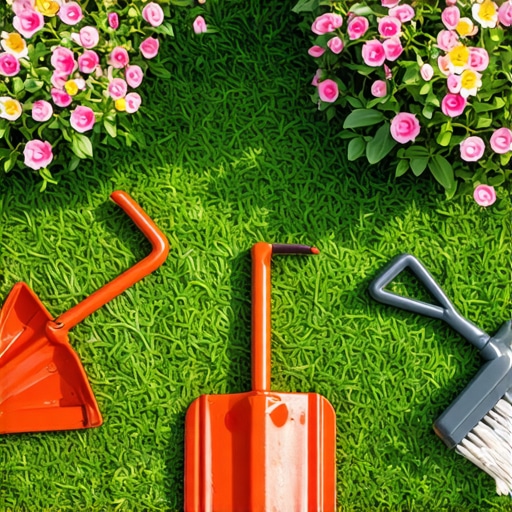
I remember the first year I decided to skip spring yard cleanup. What was supposed to be a quick sweep turned into a tangled mess of leaves, dead grass, and stubborn weeds by mid-May. It was like my yard had a mind of its own—unruly, unkempt, and definitely not show-ready. That lightbulb moment taught me a crucial lesson: a little effort early on saves a mountain of work later. If you’re anything like me, facing a yard that feels more jungle than lawn, stick around. Today, I promise to share practical steps to clean up your yard efficiently, ensuring it’s pristine and lush for the upcoming season.
Why a Proper Spring Cleanup Sets the Stage for an Enviable Lawn
Spring isn’t just about planting flowers or mowing the grass; it’s the foundation for your lawn’s health all year. A thorough yard cleanup clears away debris and dead foliage that can harbor pests and disease, giving your grass and plants a healthy start. Plus, it makes mowing, watering, and other maintenance tasks much easier. I’ve learned that skipping this step can lead to overgrowth, patchy areas, and even backyard pests—things that can turn your dream yard into a nightmare.
The good news? You don’t need to be a landscaping pro. Simple, strategic actions can produce fantastic results. If you’ve ever wondered whether tackling yard cleanup is worth the time, consider this: a well-maintained lawn boosts curb appeal, increases property value, and can even improve your mood. A study from the Journal of Environmental Psychology highlights how beautiful outdoor spaces reduce stress and promote well-being. So, the effort you put into this spring’s cleanup isn’t just aesthetic—it’s healthful.
Are you tired of battling a yard that refuses to cooperate each spring? Do you feel overwhelmed at the idea of starting from scratch? You’re not alone. Early missteps, like overestimating how much work is needed or neglecting to free your yard of built-up debris, often lead to frustration. Believe me, I’ve been there. I once tried to skip the weed removal phase, only to see those stubborn weeds comeback even stronger. For reliable, step-by-step advice, you might want to check out some expert tips on [yard cleanup strategies](https://urbanlandscapingx.com/expert-yard-cleanup-landscaping-tips-for-a-pristine-2025-garden). Now, let’s dive into actionable tips that will make your yard look stunning in no time.
Start with a Clear Plan for Your Yard Cleanup
When I tackled my overgrown backyard last spring, I began by breaking the task into manageable sections—like peeling an onion, one layer at a time. First, I removed all debris—fallen branches, leaves, and trash—with a rake and wheelbarrow. A key tip is to identify areas where debris piles up, similar to clearing a clogged drain before fixing the pipe. This initial step ensures a clean slate, making subsequent work more effective.
Target Dead Growth and Weeds
Next, I focused on removing dead grass and weeds, which act like weeds choking a garden. Pulling weeds by hand is often best, especially with stubborn species. Use a weed eliminator or apply a targeted herbicide to prevent regrowth. I learned that neglecting this step can allow weeds to spread rapidly, undermining your efforts. For a cleaner yard, consider using a hoe or a professional weed removal tool—think of it as a surgical instrument for your lawn.
Level and Prepare Soil for New Sod
Once the yard was cleared, I loosened the soil with a rake or tiller, breaking up compacted patches—much like aerating a compacted sponge. Leveling the ground with a rake ensures water drains appropriately and creates an even surface. Think of planting a new garden bed: you want your soil to be loose yet firm enough to support roots. If installing sod, this preparation is critical. For detailed steps on sod installation, check out the best sod and irrigation tips.
Lay Down the Sod Correctly
Rolling out the sod is like laying a puzzle—each piece must fit snugly to avoid gaps. Start along a straight edge or border, then work your way inward, staggering seams like bricks—this technique prevents wrinkles and creates a natural look. Use a sharp knife to trim edges, and avoid stretching or overlapping pieces. After installation, lightly roll the sod with a tamper or your feet to ensure contact with soil, which promotes rooting. Remember, proper watering immediately after installation is vital; for expert advice, visit water-saving irrigation tips.
Set Up an Efficiency-Focused Irrigation System
An irrigation system is like the bloodstream of your lawn—delivering life-giving water evenly and efficiently. For best results, consider a combined approach: install a timer-controlled sprinkler system with adjustable zones. This setup ensures each section of your yard gets the right amount of water without waste. During installation, think of plumbing as constructing a network of veins—precision matters. Properly spaced and angled sprinklers prevent dry patches and overwatering. To fine-tune your setup, explore irrigation design strategies for a thriving yard.
Monitor and Adjust for Long-Term Success
After initial setup, keep an eye on your yard’s response. Check soil moisture regularly—think of it as checking your garden’s pulse. Adjust sprinkler timers based on weather—more watering during hot spells and less during rainy periods. Consider installing rain sensors; they act like a smart brain, preventing overwatering. Also, periodically aerate your soil to maintain permeability, allowing water and nutrients to reach roots effectively. This ongoing attention is key to transforming your yard into a lush, healthy space that endures throughout the seasons. For detailed maintenance routines, review the top irrigation tips.
Many homeowners believe that perfecting a yard is straightforward—lay some sod, install sprinklers, and keep it tidy. However, there are subtle pitfalls and misconceptions that can derail your efforts even if you follow basic steps. Let’s dig deeper into these overlooked nuances that can make or break your landscape project.
**Why Cutting Corners Often Backfires** many assume that skipping detailed soil preparation or neglecting proper irrigation design won’t impact long-term results. In reality, these are the silent factors influencing your lawn’s vitality. For example, failing to aerate adequately before sod installation can lead to root choking and poor growth, despite premium sod being laid down. Experts emphasize that soil health is the foundation for lush lawns—without it, even the best seeds or sod can struggle. You can learn more about avoiding common pitfalls by exploring expert sod and irrigation strategies.
**Myth: All Irrigation Systems Are Equal** many believe that any sprinkler setup will suffice. But this misconception overlooks the importance of tailored zones, pressure regulation, and smart controls. An inefficient irrigation system not only wastes water but can also cause uneven growth and disease. The reality is that investing time in designing your irrigation to match your yard’s unique landscape results in healthier grass and significant water savings—water is a precious resource, after all. For instance, installing rain sensors can prevent overwatering during rain spells, conserving both water and money. For insights into smarter watering habits, consider top irrigation system design tips.
**Beware of Over-Dependency on Generic Tips** many DIY enthusiasts follow online advice verbatim, but landscapes are rarely one-size-fits-all. For optimal results, understanding your soil type, sun exposure, and local climate is essential. Overwatering, for example, might seem beneficial, yet it can drown roots and promote fungi. Similarly, planting sod without considering drainage can lead to pooling and rot. Advanced landscapers test soil moisture with probes or conduct drainage tests before planting—simple steps that pay off. If you want to elevate your yard game, read about professional landscaping and sod installation ideas.
**How Does One Avoid Common Lawn Mistakes?** the key is a strategic approach that integrates soil health, proper watering, and tailored landscaping. For example, many mistakenly believe that peat moss or turf builders can fix foundational issues—though these can sometimes mask deeper problems like compacted soil or poor drainage. The best move is to perform soil tests and adjust accordingly. Regular monitoring of moisture levels, adjusting watering schedules, and ensuring proper soil aeration prevents most pitfalls. Remember, consistency is crucial.
**Make Your Yard Thrive: Small Changes, Big Results** your landscape is an ecosystem; neglecting even one component can compromise the whole. Take the time to understand the nuanced science behind sod health and irrigation efficiency. This knowledge empowers you to make smarter decisions and avoid costly mistakes. Want a lush, vibrant yard that stays healthy year-round? Dive into detailed expert advice on ultimate sod and irrigation tips.
Have you ever fallen into this trap? Let me know in the comments, and share your experiences. Remember, a well-informed gardener is the one who reaps the most stunning results.
Keep Your Yard in Top Shape with the Right Tools
Maintaining a lush, healthy yard over the years requires more than just effort—it demands precision and the right equipment. My personal favorite is a high-quality oscillating sprinkler with adjustable zones; it ensures even water distribution, which I have found to be crucial when managing larger lawns. For soil aeration, I rely on a rental core aerator instead of manual tools, as it speeds up the process and provides deeper penetration, promoting better root growth. Expert recommendations highlight how proper aeration improves turf resilience and reduces water waste.
To keep everything running smoothly, I dubbed my cordless cordless leaf blower as my secret weapon during yard cleanup sessions. Its portability makes debris removal quick and less tiring, especially after a storm or fall cleanup. For ongoing lawn health, I invest in a digital soil moisture meter; it helps me fine-tune watering schedules, avoiding both underwatering and overwatering. This kind of device is a smart investment, supported by research indicating improved water efficiency when using soil moisture sensors.
How do I maintain irrigation systems long-term?
Regular inspections are key. I check for leaks, clogs, and pressure issues every spring and after heavy storms. Replacing worn-out sprinkler heads and recalibrating timers ensure my system remains efficient. For those serious about water conservation and yard health, integrating smart irrigation controllers that adapt to weather patterns can enhance results, making watering truly hands-off. Consider consulting expert resources like top irrigation tips for ongoing success.
As the trend toward eco-friendly landscaping advances, increasingly sophisticated tools that monitor watering and soil health are becoming affordable and accessible. I recommend trying a smart controller with weather data integration—it’s a game-changer for sustainable yard management. With these tools, you’ll not only keep your yard looking gorgeous but also contribute to conservation efforts.
Embrace these tools and methods, and watch your yard transform into the oasis you’ve envisioned. Experiment with a smart irrigation controller this season to level up your maintenance game, and you’ll be surprised at how much easier sustainable gardening becomes.
What I Learned the Hard Way About Yard Transformations
The most valuable lessons often come from mistakes. I once rushed into installing new sod without preparing my soil properly, only to see it struggle and turn patchy. The realization hit me—foundation matters. Soil health, proper watering, and patience are the real keys to a lush lawn, not just the flashy new grass. Embracing these insights transformed my approach and saved me time and frustration in the long run.
Tools That Changed My Lawn Game
Investing in a quality soil moisture meter was a game-changer. It removed guesswork from watering, helping me apply just the right amount of water. A professional-grade aerator, borrowed from a neighbor, revived my compacted soil more effectively than any DIY solution. These tools, supported by trusted sources like expert sod and irrigation tips, ensured my efforts yielded vibrant, healthy grass.
Your Yard Can Be a Reflection of Your Care
Creating a stunning yard isn’t about perfection but about deliberate choices and consistency. When I tailored my irrigation schedule with smart controllers that responded to weather, I noticed my grass thriving without waste. Each small adjustment built upon the last, culminating in a space that feels welcoming and proud. Remember, a beautiful yard invites you to enjoy nature and relax—don’t wait for a perfect moment to start; your best landscape is just a decision away.