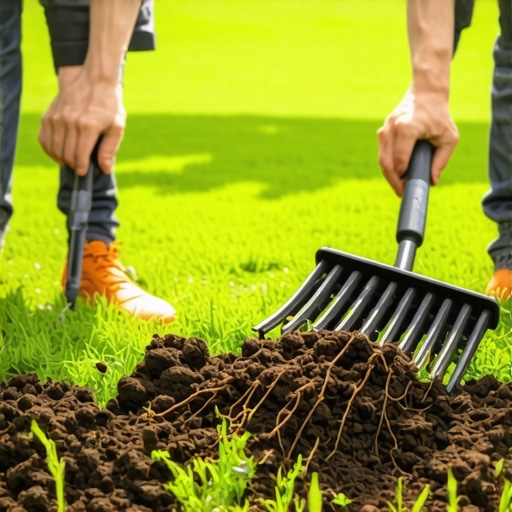
It was a damp early morning when I finally looked out my window and realized my yard resembled a mini jungle more than the inviting lawn I envisioned. The weeds had taken over, fallen leaves were tangled in the grass, and the dirt looked compacted from months of neglect. That’s when it hit me—before I could even think about laying new sod for 2026, I needed to get my soil right. If you’ve ever faced that moment of realization, you’re not alone. Many homeowners skip the crucial step of preparing their yard properly, only to face patchy grass, weeds, or a failed sod installation down the line.
Understanding the importance of a thorough yard cleanup can make or break your sod project. In this post, I’ll guide you through six essential yard cleanup steps that will set your soil up for success and ensure that your new lawn thrives for years to come. Trust me, taking the time now can save you a mountain of frustration—and money—in the future.
Why a Yard Cleanup is a Game Changer for Your Sod Installation
When I first started my lawn renovation, I thought I could simply lay the sod over the existing ground. I was eager and impatient. But I quickly learned that neglecting proper preparatory work leads to uneven growth, weed invasion, and root problems that are tough to fix later. Early on, I made the mistake of ignoring debris and compacted soil. That mistake cost me extra work and a less vibrant lawn. Since then, I’ve seen firsthand how a comprehensive cleanup—removing debris, loosening soil, and addressing problem areas—creates the perfect foundation for sod.
Research shows that soil health and proper preparation significantly influence sod success. In fact, neglecting soil conditioning can reduce the lifespan of your grass by years. For detailed tips on yard cleanup ideas, I recommend checking out expert yard cleanup landscaping ideas. Now, let’s explore the steps that will transform your yard from an overgrown mess into a lush, thriving lawn.
Have you ever skipped yard cleanup and regretted it later?
Remember, the goal isn’t just to clear the surface but to prepare your soil for long-term health. Trust me, a little extra effort now can pay off big time. Ready to dive into these six yard cleanup steps? Let’s get started and make 2026 your best lawn year yet.
Clear Debris Before Anything Else
Start by removing all fallen leaves, sticks, and trash. It’s like decluttering a workspace—nothing should interfere with your progress. Personally, I used a garden rake and garbage bags, spending a Saturday afternoon on my overgrown yard. The result was a much cleaner surface that allowed me to see problem areas clearly.
Loosen the Soil for Better Root Growth
Next, aerate or till the soil to break up compacted dirt—think of it as giving your yard a breath of fresh air. I rented a tiller for my backyard and worked in sections, which helped water penetrate better and made soil nutrients more accessible. This step is critical because soil that’s too compacted hinders sod establishment and growth.
Identify and Fix Problem Spots
Look for patches of weeds, holes, or uneven terrain. I found stubborn patches of turfgrass that I had to remove completely. Filling holes with native soil creates a level bed, preventing puddles or uneven growth. Addressing these issues early ensures your new sod has a stable foundation to take root.
Address Weeds and Prepare Soil Nutrition
Apply a targeted weed killer or manually remove invasive plants to prevent competition. Then, enrich the soil with compost or slow-release fertilizer—think of it as vitamins for your yard. I spread compost evenly and raked it in, boosting soil fertility. Healthy soil means healthier grass, which translates into a lush lawn for years.
Ensure Proper Drainage to Avoid Waterlogging
Check drainage patterns by observing how water flows during a rainstorm or using a hose test. If you notice standing water, consider creating a gentle slope or installing drainage solutions. Effective drainage is like a highway—directing excess water away prevents root rot and fungal diseases, giving your sod a fighting chance to flourish.
Final Check Before Laying Sod
Walk across the prepared area, pressing down to compact the soil slightly—similar to packing down a snowball to give it stability. Remove any remaining large rocks or debris. This final pass ensures your surface is even, firm, and ready to host your new grass. Remember, the smoother and cleaner your yard, the better your sod will establish and thrive.
Looking for professional insights on these steps? Consult expert yard cleanup landscaping tips for detailed guidance. Taking these actionable steps now will give your sod the best chance to grow into a vibrant, healthy lawn that lasts.
While many homeowners assume that basic tasks like watering or clearing debris are straightforward, they often overlook the intricate nuances that determine success in lawn transformation projects. One common myth is that more watering always results in healthier grass, but in reality, overwatering can suffocate roots and promote fungal diseases, ultimately damaging your lawn. Experts emphasize that irrigation should be carefully calibrated to soil type and weather conditions; for instance, deep, infrequent watering encourages deep root growth, which enhances drought resilience, according to studies from the University of California Agricultural Extensions. Misconceptions like this can lead to wasted water and poor lawn health. Additionally, many believe yard cleanup is solely about removing visible debris, yet the real benefit lies in properly aerating and adjusting soil composition to optimize nutrient uptake—an advanced step often skipped yet vital to long-term turf vitality. The societal tendency to treat sod installation as a simple laying process ignores the fact that failing to prepare the soil adequately results in patchy growth or early die-off. In fact, common mistakes include neglecting to address soil compaction or not ensuring proper drainage, which can create conditions unsuitable for new grass to establish root systems. For experienced landscapers, understanding that all these elements are interconnected is crucial. Installing sod on compacted or poorly drained soil can be a recipe for failure, regardless of how well the sod itself is handled. If you’re curious about refining your approach, check out the in-depth tips provided in this guide on common sod installation mistakes. Remember, mastering these nuances can significantly accelerate your lawn’s transformation and health. Have you ever fallen into this trap? Let me know in the comments.Maintaining a lush, thriving lawn requires not only initial effort but also consistent care and the right equipment. Over the years, I’ve refined my toolkit, selecting specific tools that deliver precision and durability, helping me ensure my yard’s ongoing health. High-quality lawn aerators like the Agri-Fab 45-0299 Stand-up Tow Aerator have been invaluable for my soil aeration, promoting better water and nutrient penetration. I prefer gas-powered dethatchers such as the Earthquake 13108 Mantis Tiller for breaking up compacted layers without damaging delicate roots, making aeration more effective. When it comes to watering, I rely on smart irrigation controllers like the Rachio 3, which adapt watering schedules based on weather data, conserving water while keeping the turf hydrated. Regular soil testing with a reliable kit, such as the LaMotte Soil Test Kit, guides my fertilization and pH adjustments, preventing nutrient deficiencies and pH imbalances that can weaken grass. For long-term health, I schedule annual overseeding using quality seed blends suited for my climate, which helps patch thin areas and introduce disease-resistant varieties. Looking ahead, I predict smart irrigation systems and soil sensors will become even more sophisticated, allowing for real-time yard adjustments and further water savings.
How do I maintain lawn equipment over time?
Consistent maintenance means cleaning mower blades after each use, sharpening edges annually, and changing oil as recommended by the manufacturer. Proper storage during winter—cleaning, draining fuel, and keeping tools in a dry place—prevents rust and breakdowns. Investing in quality tools initially might seem costly but saves money and effort in the long run. I also recommend subscribing to maintenance alerts from your equipment’s app if available, to stay ahead of service needs. For detailed guidance, check out pro tips on irrigation and tool maintenance. Making these small but critical efforts ensures your tools function at peak performance year-round, helping your lawn remain vibrant and healthy over many seasons. Don’t forget, upgrading to smarter tools, like soil sensors, can also give you a competitive edge in yard care, allowing for precise adjustments and resource optimization. Give one of these advanced maintenance tips a try today—your lawn will thank you!
What I Wish I Knew When Starting Out
One of the most eye-opening lessons I learned about yard cleanup and sod installation was how neglecting soil health from the outset can sabotage your entire project. I used to think that simply removing debris and laying sod was enough, but I soon discovered that soil compaction and poor drainage are silent killers of a lush lawn. This realization pushed me to invest more time in proper soil preparation, aeration, and nutrient enrichment, which dramatically improved my results.
Lessons the Pros Don’t Always Share
Many professional landscapers emphasize the importance of soil amendments and drainage, yet I found that patience and observing your yard’s unique flow are equally vital. For example, waiting to install sod until after a thorough yard assessment prevents wasted effort and ensures roots can establish. Sharing these insights with fellow homeowners has helped them avoid costly mistakes and achieve a garden they love.
Insights That Changed My Approach
Above all, I realized that yard cleanup isn’t a one-and-done task. Regular maintenance, seasonal aeration, and monitoring soil pH are essential to sustain a vibrant lawn. The biggest lightbulb moment was understanding that a healthy yard is a living system requiring ongoing attention — not just initial work. Applying this mindset transformed my approach from reactive to proactive, leading to more beautiful, resilient grass.
Tools and Resources That Make a Difference
Having the right tools accelerates progress and enhances quality. I rely on durable aerators like the Agri-Fab 45-0299, which makes breaking up compacted soil effortless. For soil testing, the LaMotte Soil Test Kit provides reliable insights that guide fertilization. When it comes to watering, smart controllers such as the Rachio 3 help me conserve water while keeping my lawn healthy. These tools, combined with expert guidance available at pro tips for sod and irrigation, elevate my yard care routine and deliver consistent results.
Embracing the Lawn Care Adventure
Remember, creating a beautiful lawn is a journey filled with learning, experimentation, and persistence. Your effort today lays the foundation for a thriving, envy-worthy yard tomorrow. Don’t hesitate to dive into these practices—your future self will thank you for the lush, healthy landscape you’ll enjoy for years to come. Ready to turn your yard into a lush paradise? Share your experiences or questions below, and let’s grow together!
Reading this detailed guide really highlights how much steps are involved in achieving a successful sod installation. I remember my own experience when I neglected soil preparation last year; my lawn ended up patchy and weed-infested, which was frustrating. It’s true—comprehensive cleanup and proper soil aeration make all the difference. I especially found the tip about checking drainage quite insightful, as poor drainage can often go unnoticed until it’s too late. Has anyone found an easy way to assess drainage issues before starting the cleanup process? Also, I wonder if anyone has used organic fertilizers instead of compost, and what results they’ve seen. I’m curious how these choices impact soil health and long-term lawn vibrancy. Thanks for emphasizing these critical steps; I feel more confident tackling my upcoming project now. Proper preparation really seems to be the key to a lush, resilient lawn that lasts for years.
Reading through this post really made me reflect on my own lawn renovation journey. I used to underestimate how vital soil preparation is before laying new sod, often rushing to seed or lay sod over existing issues. My last project was a reminder that soil compaction and poor drainage can undermine the best quality sod. I found that adding a layer of compost and mixing it into the soil before installation significantly improved root establishment and growth. I’m curious, has anyone tried using organic-based soil amendments as an alternative to traditional compost? I’ve heard it enhances soil microbiome health, which might lead to more vigorous, disease-resistant grass. Also, I wonder about the best way to identify hidden drainage problems in a new yard—do you think a simple water test during varying weather conditions is enough? Would love to hear others’ approaches to these challenges. Proper soil prep truly is the foundation for a luscious lawn, and it’s great to see more homeowners prioritizing this step.