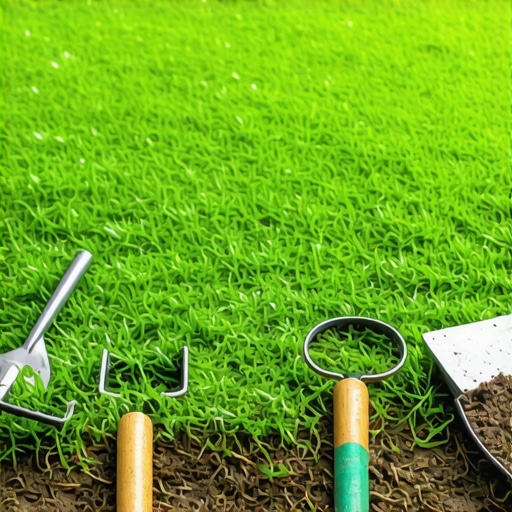
It was a bright Saturday afternoon when I finally laid down that lush new sod I’d been dreaming of for weeks. I followed all the expert advice, watered diligently, and eagerly waited for that perfect green carpet to transform my yard. But a few weeks later, I couldn’t believe my eyes—large patches of that beautiful grass turned brown, wilted, and looked absolutely lifeless. Not what I imagined when I started this project. If you’ve ever experienced something similar, you know how frustrating it can be to invest time and money into lawn improvements only to see them fail.
Understanding Why Your New Sod Might Be Dying in 2026
Many homeowners face the same dilemma: their freshly installed sod starts to struggle or outright die just a season after planting. It’s tempting to blame bad weather or poor soil, but often the root cause goes deeper. Early mistakes, overlooked conditions, or insufficient post-installation care can spell disaster for your grass. The good news is, with some straightforward fixes, you can turn this around before it’s too late. In fact, adhering to proven strategies can make all the difference, ensuring your lush lawn thrives through the coming seasons.
Have you noticed your new sod yellowing or browning unexpectedly? If so, you’re not alone, and I’ve been there too. When I first faced this problem, I realized I had made a crucial mistake—skipping proper irrigation checks. That mistake nearly doomed my entire project. Since then, I’ve learned essential lessons that I’ll share to help you avoid the same pitfalls.
For example, many new lawn owners forget that proper watering is critical immediately after sod installation. Underwatering or overwatering can both cause root problems, leading to patchy, unhealthy grass. In fact, a recent study pointed out that improper watering is the leading cause of sod failure—yet it’s so often overlooked (source: effective sod installation strategies for a lush lawn in 2025). Lucky for us, correcting watering habits is simple once you understand the right balance.
This post will walk you through four fail-proof fixes for your failing sod, focusing on practical, proven methods that I’ve tested myself. Whether it’s irrigation, soil prep, or maintenance routines, these are the steps that will help you rescue your yard and set it up for long-term success. Ready to get your lawn back to its vibrant, healthy state? Let’s dive into the first fix, which might just be the game-changer your yard needs.
Adjust Your Watering Routine Immediately
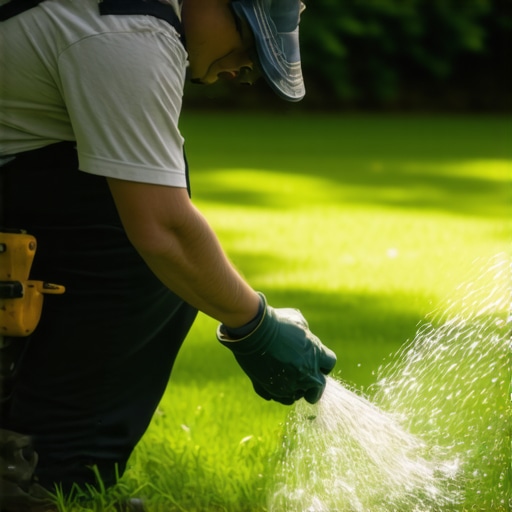
Think of irrigation like feeding a plant; too little water stunts growth, while too much drowns the roots. Last summer, I experienced this firsthand. I had been watering my new sod twice daily, assuming more was better. But the patches turned brown and brittle. I stopped, checked the soil moisture with a simple handheld meter, and adjusted my schedule to watering deeply once daily, ensuring the water penetrated several inches into the soil. This change revitalized my grass within a week. For optimal results, visit top sod install irrigation tips for a lush lawn in 2025 and implement the recommended watering depths and frequencies.
Improve Soil Condition to Encourage Root Development
Healthy soil acts as a foundation, much like a strong base for a building. I discovered this when several patches refused to thrive despite proper watering. I performed a quick soil test—using kits from a local nursery—to check pH and nutrient levels. The results showed deficiencies. I aerated the soil to improve oxygen flow, then mixed in organic compost to enhance nutrient content. These efforts stimulated root growth and turned my struggling patches into vibrant green. For detailed soil improvement techniques, check ditch the rake 4 tools for a faster yard cleanup and adapt some practices for soil conditioning.
Address Excessive Thatch and Debris
Thatch is like a sponge between grass and soil, preventing water and nutrients from reaching roots. I noticed my sod’s surface was thick with dead grass and compacted debris—signs of thatch accumulation. Using a dethatcher or power rake, I carefully removed this layer, exposing fresh soil to help roots expand. This process also improves water absorption and prevents disease. Don’t overlook this step, especially when recovering from patchy growth. Visit top yard cleanup tips for a pristine lawn in 2025 for comprehensive cleanup methods and incorporate them into your maintenance routine.
Revamp Your Irrigation System for Efficiency
Outdated sprinklers or uneven coverage can cause dry patches. I replaced my old sprinkler heads with adjustable rotors, ensuring even watering across my yard. Installing a timer helped regulate watering schedules, saving water and preventing overwatering. For expert advice on optimizing your setup, visit pro sod install irrigation tips for lush lawns 2025. Properly designed irrigation prevents stress and encourages even root development, crucial for a thriving sod.
Many homeowners believe that following basic guidelines guarantees a perfect lawn, but in reality, some widely accepted practices can lead to unexpected failures. One myth I often hear is that more watering always results in healthier sod—however, overwatering can suffocate roots and promote disease, a nuance highlighted by recent studies emphasizing proper soil moisture management (see detailed strategies here). Another common misconception is that soil preparation ends once the sod is laid; in truth, neglecting soil health—such as ignoring pH levels and nutrient deficiencies—can stall root development and cause patchy growth (soil improvement tips). Many believe yard debris removal is optional, but residual thatch and organic matter can prevent water infiltration and aeration, leading to root stress and disease susceptibility (yard cleanup insights). Now, for those seeking an advanced insight, consider: How can I optimize irrigation timing to account for climate variability and soil type? The answer involves understanding evapotranspiration rates and scheduling watering during cooler parts of the day, which research shows significantly enhances water efficiency and root health (more here). Remember, tiny details like these can make or break your lawn success. Do you still believe more water is better? Or are you ready to challenge other garden myths?
Have you ever fallen into this trap? Let me know in the comments.Maintaining a lush, healthy yard requires more than just initial setup; it demands consistent care, the right tools, and strategic adjustments over time. One of the most valuable investments I made was upgrading to a professional-grade soil moisture meter. Unlike basic handheld testers, a digital moisture sensor with multiple probes gives me precise readings across different zones, helping me tailor watering schedules more effectively and prevent issues like overwatering or drought stress. For example, during peak summer, I used this tool to monitor soil conditions and adjusted my irrigation timer accordingly, which significantly improved grass health and reduced water waste. Looking ahead, I predict that smart irrigation systems integrated with soil sensors will become standard, providing real-time data and autonomous adjustments for optimal watering.
How do I keep my irrigation system in top shape over time?
Regular maintenance is key. I recommend flushing out sprinkler heads monthly to prevent clogs and ensuring adjustable nozzles are properly aligned to cover all areas uniformly. Additionally, inspecting the system for leaks or broken parts early prevents costly repairs and uneven watering. Investing in a weather-based controller that syncs with local forecasts can also optimize watering schedules, conserving water and supporting healthy root development. For comprehensive tips, check out top sod install irrigation tips for a lush lawn in 2025.Beyond irrigation, tools for yard cleanup play a vital role in long-term maintenance. A durable leaf blower with adjustable speeds makes clearing debris quick and minimizes soil compaction, which can impair root growth. Pair this with a garden rake designed specifically for aerating the soil surface gently, and you’re set for seasonal turnover. Moreover, a sturdy dethatcher can remove thatch buildup, allowing water and nutrients to reach roots effectively. Incorporating these tools into your routine not only keeps the yard tidy but also fosters a thriving environment for grass to flourish.
Looking forward, I see the trend of integrating smart technology into lawn care expanding. Devices that combine soil sensors, weather data, and automated watering will become more affordable and user-friendly, enabling homeowners to maintain optimal conditions with minimal effort. Concrete small-scale upgrades, like installing a rain sensor or updating your sprinkler heads, can make a noticeable difference. I encourage you to try one advanced tip from this list—such as replacing old sprinkler heads with adjustable, low-flow models—to start transforming your yard into a sustainable, vibrant landscape. Proper maintenance and smart tools are investments that will pay off through healthier turf, water savings, and more enjoyable outdoor spaces.
Over the years, I’ve realized that achieving a vibrant, healthy lawn isn’t just about initial effort; it’s a continuous journey filled with valuable lessons. One of the most profound insights I’ve gained is the importance of paying close attention to soil health. Just like building a strong foundation for a house, nurturing your soil ensures your sod has the perfect environment to thrive. Ignoring this can lead to patchy growth despite all other efforts.
Another key lesson is the myth of overwatering. It might seem counterintuitive, but excessive watering can suffocate roots and invite diseases. Instead, precise moisture management—using tools like a digital soil moisture sensor—has transformed my lawn care approach. It’s a game-changer that saves water and promotes lush growth.
Lastly, I learned that yard debris isn’t just unsightly—it hampers water penetration and air circulation. Regular cleanup using the right tools makes a noticeable difference in turf vitality. Embracing these deeper insights has empowered me to create a lawn that not only looks stunning but remains resilient year after year.
Unearthing My Biggest Lawn Secrets
- Soil Matters More Than You Think: Addressing soil pH and nutrient deficiencies early on prevents common patchy problems. Regular soil tests guide targeted amendments for optimal root development.
- Water Smart, Not Hard: Precision watering based on real-time soil moisture readings outperforms routine schedules—leading to healthier grass and significant water savings.
- Consistent Cleanup Is Key: Regularly removing thatch and debris enhances water absorption, prevents disease, and stimulates root growth—making your efforts pay off in the long run.
Tools and Resources That Changed My Yard
- Digital Soil Moisture Meters—Trustworthy sensors that provide accurate readings, helping me fine-tune watering times for maximum efficiency.
- Power Rakes and Aerators—Efficient tools for removing thatch and aerating compacted soil, making space for roots to expand.
- Quality Soil Amendments and Organic Compost—I’ve seen real results by enriching the soil, giving my sod a nutrient-rich base to establish itself.
- Sprinkler Systems with Smart Controllers—Automated setups that adapt watering schedules based on weather, saving time and water.
Get Out There and Make a Difference
Your lawn is more than just grass; it’s a reflection of your care and effort. With the right knowledge, tools, and consistent attention, you can turn patchy, struggling sod into a lush, inviting landscape. Remember, every small adjustment adds up—so don’t wait to start applying these insider tips today. Your dream yard is within reach, and each step you take brings it closer to reality.
What’s one lawn care tip that transformed your yard? Share your experiences or questions below—I’d love to hear your story and help you achieve your best lawn yet!
,