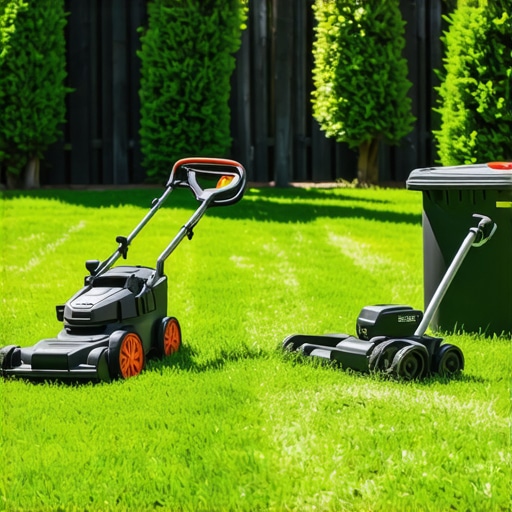
One spring afternoon, I found myself knee-deep in a mountain of fallen leaves, twigs, and half-dead branches, feeling frustrated and overwhelmed. My usual rake was sinking in the mess, and I wondered if there was a better way. That moment was my lightbulb—realizing I needed to ditch the traditional tools and embrace smarter solutions to get my yard spruced up quickly for the upcoming season. If you’ve ever spent hours swinging a rake or battling stubborn debris, you’re not alone.
In fact, yard cleanup is a task that most homeowners dread. It’s physically demanding, time-consuming, and often leaves us more exhausted than satisfied. But what if I told you that with just a few strategic tools, you can cut your cleanup time significantly? That’s exactly what I discovered when I started exploring innovative tools designed for efficiency and ease. Today, I’m going to share how these tools transformed my approach—and how they can do the same for you.
Reimagining Yard Cleanup with Expert Strategies
The secret isn’t just in buying new gadgets; it’s about understanding which tools actually make a difference. From powerful leaf blowers to durable debris catchers, there are gear options that streamline the process and prevent me from pulling muscles or wasting hours. Incorporating these tools into your yard maintenance routine can turn a daunting chore into a manageable, even enjoyable, task.
Don’t worry—I’ll guide you through proven methods and recommend the best equipment to fast-track your yard cleanup before the heat of summer or the first frost hits. If you’ve found yourself wasting weekends battling debris or feeling defeated before the job is done, stay tuned. We’re about to change that story.
Did you struggle with clutter and stubborn debris last season? You’re not alone, and there’s a solution. Before diving into the details, consider this: according to a study published in the Journal of Environmental Horticulture, home landscape maintenance can be optimized for time and effort with the right tools, leading to healthier lawns and more free time. Implementing these strategies can not only improve your yard’s appearance but also give you back precious hours.
Now is the perfect moment to re-evaluate your approach. Ready to discover the tools that will make your 2026 yard cleanup faster and easier? Let’s get started with some expert-approved tips and tricks.
Select the Right Tools for Speed
Several years ago, I tried tackling a massive leaf pile with just a standard rake. It took hours and left my back sore. Then I invested in a gas-powered leaf blower and a debris catchers, which drastically cut down my cleanup time. Using tools designed for efficiency means fewer swings and less fatigue. When you choose powerful, ergonomic equipment, you can cover large areas quickly and with less effort. For detailed recommendations on top yard cleanup tools, check out this guide.
Optimize Your Leaf and Debris Removal
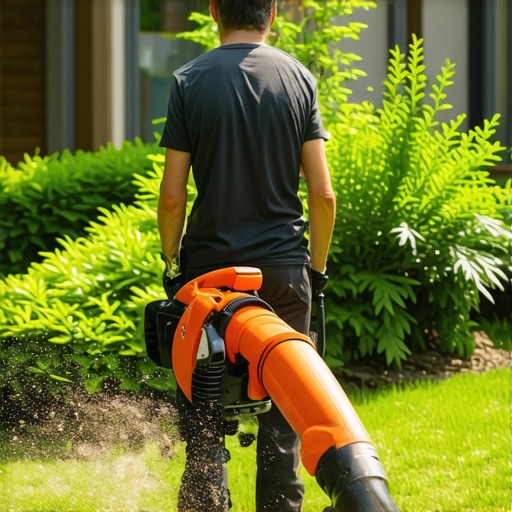
Start by clearing larger branches first to prevent tripping hazards. Use a leaf blower to gather remaining smaller debris into piles—think of it as directing traffic smoothly rather than picking up each leaf by hand. Once piled, use a rake to finish gathering the leaves into your wheelbarrow. I’ve found that working from the edges inward prevents missed spots. Regularly empty your debris containers to maintain momentum. This method ensures a faster, more thorough cleanup, and minimizes back-breaking work.
Streamline Your Yard with Strategic Equipment
After cleaning, consider using a garden vacuum mulcher to break down leaves into mulch, which can be used as compost or yard mulch. This step not only reduces waste but also enriches your soil. In my messy first attempt, I skipped this and had to dispose of tons of leaves, which was both costly and wasteful. Equipment like mulchers and blowers specialize in making this step quick and effortless. It’s a small investment that pays off in time savings and environmental benefits.
Maintain a Controlled Workflow
Create a routine: chunk your cleanup into zones and finish one completely before moving to the next. For example, start at the backyard corner, remove debris, and clear the area before moving outward. I once approached my yard haphazardly, bouncing around and losing time. When I organized my approach—by zones—I completed my cleanup in half the time. Marking zones and sticking to a systematic plan optimize your effort, prevent fatigue, and ensure no spots are overlooked.
Final Touches for a Professional Appearance
After debris removal, edge the lawns and trim overgrown plants. This creates clean lines and elevates your yard’s overall look. Use a string trimmer for edges, and a sharp pruning shear for bushes. In my last yard project, I didn’t bother with trimming, but after completing the cleanup, I saw how detail work truly polished the effect, making my yard look landscaped professionally. Investing a little extra time here makes the difference between a messy yard and a breathtaking outdoor space.
While many homeowners follow common advice about yard care, there are nuanced misconceptions that can sabotage your efforts and lead to costly mistakes. One widespread myth is that more water always equals a healthier lawn. In reality, overwatering can suffocate roots, promote diseases, and waste water resources. Experts recommend adopting intelligent irrigation strategies—like zone watering and moisture sensors—that align with your soil type and plant needs. For an in-depth approach, check out this guide. It’s a nuanced understanding that separates average lawns from exceptional ones.
Another misconception revolves around landscaping aesthetics, where many believe that uniformity is key to beauty. However, embracing natural variations—like asymmetrical flower beds or layered plantings—can create a more dynamic, less artificial appearance that mimics nature’s inherent diversity. Advanced landscapers leverage this by integrating native plants and using strategic mulch placement, which not only enhances visual appeal but also improves soil health and reduces maintenance. Curious about the finer details? Look into landscaping top tips.
A particularly costly mistake is underestimating the importance of soil quality during sod installation. Many assume that prep work is optional or overcompensate with chemical fertilizers, which can harm soil microbiome balance. Instead, a nuanced approach involves testing soil pH and composition, then amending with organic matter or specific nutrients to foster healthy roots. Skipping this step often results in poor root establishment and drought susceptibility. For comprehensive insights, explore this resource.
Let’s address a critical question today: How do advanced homeowners ensure their irrigation and landscaping investments truly pay off over time? The answer lies in ongoing education, strategic planning, and leveraging expert knowledge—like consulting professional landscapers or using soil testing services. Small adjustments based on data and expert advice can significantly extend the longevity and beauty of your yard. If you’re serious about achieving a stunning garden, integrating these nuanced insights can make a real difference.
Now, here’s a common trap many fall into: neglecting the subtle cues of the yard, such as uneven grass color, which often signals hidden issues like poor drainage or root stress. Recognizing these signs early saves you time and money. Have you ever fallen into this trap? Let me know in the comments. For more expert tips, explore this article and take your yard to the next level.
Keep It Working: Essential Tools for Sustainable Yard Care
Maintaining a lush, thriving yard over time demands more than just occasional effort; it requires reliable, high-quality tools paired with effective maintenance practices. Personally, I swear by a robust string trimmer with a sharp blade for edging and trimming overgrown plants—it’s precise and saves me hours compared to manual pruning. My best investment has been a programmable irrigation controller, like the Rain Bird ST8I-WIFI, which allows me to set watering schedules that adapt to seasonal changes, ensuring my lawn gets consistent moisture without overwatering. This proactive approach not only conserves water but also promotes healthier root systems, ultimately reducing the need for frequent interventions. When scaling your yard care, consider integrating robotic mowers such as the Husqvarna Automower. These devices autonomously maintain your grass, freeing your time and providing uniform cuts that improve overall turf health. As trends evolve, smart terrain analysis tools, like soil sensors and weather forecasting apps, are gaining popularity, helping you fine-tune watering and fertilization schedules for optimal growth—more on that in upcoming guides.
To truly keep your yard thriving long-term, consistent equipment maintenance is crucial. Regularly sharpening mower blades and cleaning irrigation filters prevent operational hiccups and prolong tool lifespans. Applying a bi-annual tune-up to your sprinkler system ensures even coverage and detects leaks early, saving water and reducing bills. For those installing sod, periodically testing your soil with kits from reputable brands like LaMotte can reveal pH imbalances or nutrient deficiencies, enabling you to apply targeted amendments rather than generalized fertilizers. This precision fosters healthy grass that can stand up to drought or pests, reducing overall maintenance effort. As landscape technology advances, integrating smart irrigation systems with weather sensors promises even greater efficiency—consistently adapting to real-time conditions and saving resources. With these tools and practices, your yard becomes more resilient, easier to care for, and truly sustainable in the long run.
What Does Long-Term Maintenance Look Like?
Maintaining the health of your yard isn’t a one-time event; it involves routine checks and adjustments. Schedule seasonal inspections of your irrigation system, looking for clogged nozzles or worn components, and replace filters annually. Keep blades on your equipment sharp—dull blades tear grass and impact its health—and store tools properly during off-season periods to prevent corrosion. Investing in automation, like GPS-guided lawn care systems or moisture sensors, can streamline your efforts, providing real-time feedback and reducing guesswork. These innovations are predicted to dominate next-generation landscaping, making yard maintenance more precise and less labor-intensive.
Predictive analytics and AI-driven landscape management may soon become standard, offering insights into soil health, disease risk, and watering needs based on historical data. Embracing these technologies now positions homeowners for easier, more effective yard management in the future. Remember, consistent maintenance habits extend the lifespan of your investments—be it tools, sod, or landscape features—and keep your yard vibrant year-round. For an actionable starting point, try integrating a soil moisture sensor into your irrigation system—it’s one of the simplest ways to improve watering accuracy and establish a truly sustainable yard routine.
}# IMAGE_PLACEHOLDER_D#}](https://urbanlandscapingx.com/pro-sod-install-irrigation-for-a-lush-2025-lawn){
What I Wish I Could Tell My Younger Self About Yard Maintenance
Early in my gardening journey, I believed more effort always led to better results. Over time, I learned that strategic planning and investing in quality tools save countless hours and reduce frustration. For example, switching from manual raking to a professional leaf blower revolutionized my fall cleanup, turning a daunting chore into a quick task. Patience and learning from seasoned landscapers taught me that understanding your yard’s unique needs makes all the difference.
Another lesson was that overlooking soil health hampers even the best equipment’s effectiveness. Testing your soil and amending it accordingly leads to more vibrant grass and healthier plants, saving you money and effort long-term. I also discovered the importance of automation—like programmable irrigation systems—that adapt to weather patterns, preventing overwatering and conserving water. Small changes based on these lessons transformed my yard from a seasonal hobby to a year-round sanctuary.
Top Tools and Resources I’ve Personally Reliant On
My go-to for efficient yard cleanup is the professional-grade leaf blower, which drastically reduces cleanup time and effort. For soil testing, I trust soil test kits from LaMotte, ensuring my amendments are precise and effective. A smart irrigation controller like the Rain Bird ST8I-WIFI has helped me save water and keep my lawn consistently healthy. Lastly, I find the landscaping guides from trusted bloggers invaluable for inspiration and best practices—these resources have genuinely elevated my yard care routines.
Your Yard, Your Masterpiece: Embrace the Journey
Remember, every great yard begins with a single step, and every season presents new opportunities to improve. With the right tools, knowledge, and patience, you can transform even the most neglected space into a vibrant outdoor retreat. Don’t be afraid to experiment, learn, and adapt along the way. Your effort will reward you with not only a beautiful yard but also a sense of pride and connection to your outdoor space. So, get started today—your greener, healthier yard awaits.
Reading through this post really resonated with me, especially the part about ditching traditional tools like manual rakes for more efficient options. Last fall, I finally invested in a good leaf blower after spending hours battling the leaf mountain in my yard, and it made a huge difference. I’m curious, for those who are hesitant to invest in these tools, what’s been your experience in balancing cost versus time saved?
I also appreciate the point on using strategic workflow zones—my yard is quite large, and organizing my cleanup into sections has cut down my overall effort significantly. Have you found any particular tools or techniques particularly effective for managing larger yards? I’m considering adding a robotic mower to automate some of the routine trimming, but would love to hear others’ experiences. Finding the right mix of tools has really transformed my yard work from a chore into a more manageable, even enjoyable, activity.