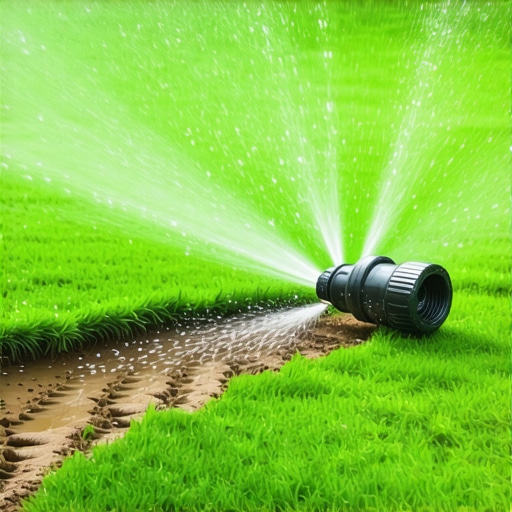
I’ll never forget the morning I stepped outside to a squishy, soggy yard that hadn’t been this way before. The freshly laid sod was drowning in a sea of water, and I realized my irrigation system had betrayed me. It was one of those lightbulb moments—when you finally understand that neglecting a small problem early on can turn into a major disaster later.
Having dealt with muddy patches and wilted grass, I knew I wasn’t alone. Many homeowners face the frustrating cycle of overwatering, water wastage, and soggy lawns, especially as systems age or if repairs aren’t addressed promptly. That’s why I want to share a proven approach that can save you both time and money: fixing those sneaky irrigation valves before they cause even more chaos.
Today, we’ll tackle the vital repairs needed to prevent your yard from turning into a swamp. From identifying faulty valves to restoring proper water flow, these tips are rooted in practical experience and aimed at helping you reclaim your outdoor space.
Why Fixing Your Irrigation Valves Is Crucial Right Now
An efficient sprinkler system isn’t just about watering your lawn; it’s about maintaining a healthy, vibrant landscape while conserving water. As we approach 2026, water prices are predicted to rise, and environmental concerns are more pressing than ever. According to a recent study, wasted water from irrigation leaks can account for up to 15% of residential water consumption, translating to significant waste and higher bills (source: Urban Landscaping X).
Ignoring faulty valves only worsens the problem—causing uneven watering, plant stress, or disease. Early repairs not only keep your yard lush but also contribute to sustainability efforts.
Have you noticed patches that stay dry while others drown? Or perhaps your water bill spikes unexpectedly? These signs point to potential valve issues. The good news is, most repairs are straightforward once you know what to look for.
Before diving into the repair process, I want to share a mistake I made early on: assuming that leaks only happen at the visible connections. It turns out that submerged or buried valves often develop small cracks or blockages that are easy to overlook but hard to ignore once water starts pooling in your yard.
Is It Really Worth the Hassle or Just a Waste of Time?
I get it—some might think, “Is fixing my irrigation valves that important?” Well, considering that the average homeowner wastes hundreds of gallons of water annually due to leaks or broken valves, skipping repairs can be costly and damaging over time. Plus, a well-maintained system reduces the risk of sudden breakdowns during peak watering seasons.
In the end, the effort pays off. Not only will your lawn look healthier and more attractive, but you’ll also be doing your part to save water and money. If you’re keen to get started, I’ll guide you through simple steps to troubleshoot and repair those essential irrigation components. Ready to turn your soggy dilemma into a lush, thriving yard? Let’s begin.
Identify and Locate Faulty Valves Quickly
Recall the time I noticed the water pooling unevenly in my yard after a rain, suspecting a leak. To find the faulty valve, turn on your system and observe the spray patterns. Listen for hissing sounds or watch for inconsistent watering. Use your hands to feel for drips or wetness around valves. If you spot a leak, mark that zone for repair. This process is like diagnosing a clogged pipe in plumbing—precision saves time and frustration. For detailed troubleshooting techniques, visit https://urbanlandscapingx.com/4-signs-your-2026-sprinklers-are-failing-and-how-to-fix-it/.
Shut Off Water Supply and Prepare Your Workspace
Before diving into repairs, switch off the main water supply to prevent additional leaks. Gather necessary tools: adjustable wrench, screwdriver, replacement parts like valves or seals, and a bucket for draining residual water. Think of this as turning off a car before fixing a flat tire—safety and preparedness ease the process. Remember, wearing gloves protects your hands from sharp edges and dirt. I once skipped this step, leading to a minor flood in my yard—lesson learned. Proper preparation prevents messes and prolongs the lifespan of your repair efforts.
Disassemble and Inspect the Valve Components
Carefully remove the affected valve using the adjustable wrench. Keep track of all parts—sometimes a small cracked seal is the culprit. Examine the valve body, diaphragms, and seals for cracks, corrosion, or dirt buildup. Cleaning the parts with a brush can often restore function if damage isn’t severe. When I fixed a stubborn valve, I found mineral deposits clogging the nozzle, similar to plaque in arteries. Clear blockages and replace damaged seals to restore optimal water flow. For complex cases, consult https://urbanlandscapingx.com/pro-sod-installation-irrigation-for-lush-lawns-in-2025/ to understand proper maintenance techniques.
Replace or Repair Damaged Parts with Precision
Match new seals or valves exactly to your existing parts for a seamless fit. Apply plumber’s tape to threaded connections to prevent leaks—think of it like wrapping a gift securely. Reassemble the valve, ensuring all components are snug but not overtightened. I once overtightened and cracked the plastic housing, leading to a larger repair. Careful adjustment saves time and money. After reassembly, turn on the water slowly to test for leaks and proper operation. Once confirmed, mark the zone as repaired. This hands-on approach ensures your system functions smoothly and conserves water.
Test the System and Fine-Tune Water Coverage
Restore power to your system and turn on the zone connected to the repaired valve. Observe the spray patterns—ensure even coverage and adjust nozzles if necessary. Use zones’ control panel to run multiple cycles, mimicking peak watering times. Address any remaining issues like uneven watering or pressure fluctuations. Think of this step as fine-tuning a musical instrument—small adjustments lead to harmonious operation. Regular testing prevents future mishaps and keeps your lawn thriving. For advanced irrigation design tips, visit https://urbanlandscapingx.com/effective-irrigation-system-design-for-a-lush-lawn-in-2025.
Implement Preventative Maintenance to Avoid Future Leaks
Schedule periodic inspections and replace worn-out components proactively. Clearing debris from filters and checking pressure levels keeps your system in top shape. Think of this like regular health check-ups—preventive care saves you money and headaches. I set a quarterly reminder to inspect my valves, which helped catch small issues before they became major problems, like the soggy yard I previously described. Proper preventative steps prolong system life and ensure lush, healthy grass without wastage. Remember, a little effort now can prevent big headaches later, making your yard the envy of neighbors.
While it’s common to view landscaping, yard cleanup, irrigation, and sod installation as straightforward tasks, many homeowners overlook subtle yet critical nuances that can make or break the success of their projects. In my experience working with turf and landscape professionals, the biggest misconception is the idea that following standard instructions guarantees a lush, healthy lawn without considering site-specific factors. For example, the assumption that all soils are created equal leads many to neglect important soil tests, risking poor root development and eventual failure. Experts advise conducting comprehensive soil analyses before planting or installing sod, as outlined in alternative advice I found at https://urbanlandscapingx.com/is-your-soil-ready-6-yard-cleanup-steps-for-2026-sod-install, which can significantly improve the chances of successful establishment.
Many people think that watering more equals better growth, but overwatering can cause root rot and disrupt soil aeration. Advanced landscapers recommend precise irrigation scheduling based on scientific evapotranspiration data and real-time soil moisture monitoring, rather than relying solely on timers or visual cues. This approach does more than save water; it promotes healthier root systems and more resilient lawns—something I discuss in depth at https://urbanlandscapingx.com/4-signs-your-2026-sprinklers-are-failing-and-how-to-fix-it.
Another common myth is that sod should be laid regardless of soil conditions or timing. However, planting during unsuitable weather or on poorly prepared soil often results in patchy growth or disease issues. A meticulous preparation process—including soil amending, proper grading, and timing — is crucial for sod success. For instance, understanding the importance of soil temperature and moisture content can dramatically increase survival rates, as elaborated in https://urbanlandscapingx.com/why-your-2026-sod-wont-root-and-4-fixes-that-actually-work.
On the topic of yard cleanup, many homeowners underestimate the importance of debris removal and topsoil proper grading. Leaving organic matter or uneven surfaces can hinder drainage and seed germination, leading to future costly fixes. Experts highlight that effective cleanup isn’t just tidiness; it’s a vital step to prevent common issues like standing water or pest infestation. For detailed strategies, see https://urbanlandscapingx.com/5-yard-cleanup-tips-for-a-show-ready-lawn-this-spring-2026.
A question I often get from seasoned landscapers pertains to the trade-offs between organic and synthetic fertilizers, especially when considering lawn health and environmental impact. The nuanced answer depends on soil health, grass type, and local climate, but recent research indicates that integrated nutrient management combining organic amendments with targeted synthetic nutrients yields the best results for durable, vibrant turf. You can explore more about this advanced topic at https://urbanlandscapingx.com/expert-sod-installation-irrigation-strategies-for-a-lush-2025-lawn.
In conclusion, understanding and applying these less obvious but vital details can dramatically improve your landscaping success. The next time you plan a yard project, ask yourself if you’re considering all site-specific factors or just the general steps. Have you ever fallen into this trap? Let me know in the comments.
How do I keep my landscaping tools and systems functioning reliably over time?
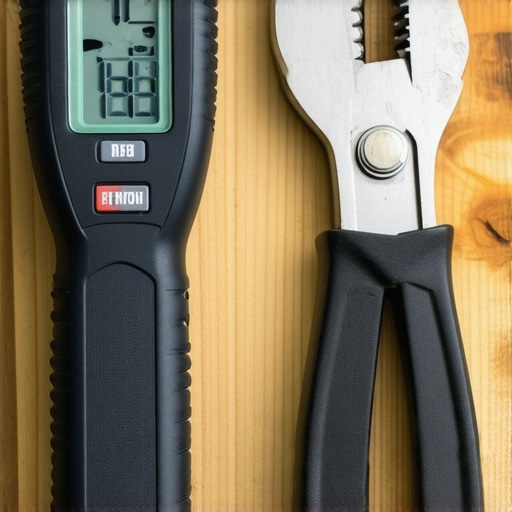
Consistency in yard care requires more than just knowing what to do; it demands the right equipment and maintenance routines. I personally rely heavily on a few select tools that have proven their worth through countless projects. For example, a high-quality adjustable wrench is indispensable for valve repair, enabling precise tightening without damaging plastic components. I prefer the Klein Tools adjustable wrench because of its durability and smooth adjustment mechanism, which saves me time during repairs.
Another essential is a digital soil moisture meter, like the Sonkir MS02. This device provides instant readings of moisture levels at different soil depths, helping me determine precisely when and where to water. This practice is rooted in science; accurate moisture data ensures your irrigation system operates efficiently, conserving water while promoting healthy root growth. In the near future, I believe these tools will become more integrated with smart gardening systems, allowing for real-time data collection and remote management.
When it comes to irrigation, investing in a smart controller, such as Rain Bird’s Wi-Fi-enabled models, has transformed my approach. They allow me to fine-tune watering schedules remotely based on weather forecasts and moisture readings. This proactive management prevents overwatering and under-watering, which I discuss extensively at https://urbanlandscapingx.com/effective-irrigation-system-design-for-a-lush-lawn-in-2025.
Regular maintenance of these systems is crucial. I recommend performing a quick annual check-up, cleaning filters, inspecting nozzles, and testing sensor accuracy. For example, cleaning sprinkler heads of mineral deposits maintains even coverage and prevents pressure buildup. Keep in mind, a small investment in quality tools and routine upkeep leads to long-term savings and a healthier landscape.
To make this process more manageable, I use detailed maintenance checklists and scheduling apps like Trello or Asana. These digital tools help me stay on top of regular inspections and repairs, ensuring my system remains reliable throughout the growing season. As technology advances, expect to see smarter, self-diagnosing systems that can alert you to issues before they affect your yard’s health.
If you’re serious about maintaining lush lawns without wasting water or time, I recommend incorporating a soil moisture meter and a smart irrigation controller into your toolkit. These investments not only streamline your upkeep routine but also give you peace of mind knowing your yard is receiving exactly what it needs. For comprehensive maintenance tips, you might find it helpful to review https://urbanlandscapingx.com/pro-landscaping-expert-irrigation-lawn-cleanup-tips-2025.
Ready to boost your yard’s long-term health and sustainability?
Try upgrading your irrigation system with a smart controller and pairing it with a reliable moisture meter. This duo ensures your garden’s needs are met precisely, reducing waste and promoting vigorous growth. Implementing these tools has revolutionized my approach; I encourage you to give them a shot for your next project. Staying proactive with your tools and system checks is the key to a thriving landscape that stands the test of time.
Lessons the Hard Way I Learned About Lawn Care
One major insight I gathered was that ignoring the small signs of irrigation troubles can lead to costly repairs and a soggy yard disaster. Early detection and routine checks could have saved me a ton of stress and money. Additionally, I realized that not every DIY repair is straightforward; some components require precise compatibility and patience, especially when replacing valves or seals. The most surprising lesson was how soil conditions and timing dramatically influence sod success; rushing the process without proper prep almost always results in failure. Lastly, I learned that integrating smart tools like moisture meters and Wi-Fi controllers isn’t just trendy—it’s a game-changer that prevents guesswork and conserves water. These lessons came from trial, error, and a determination to do better, and now, I want to help you avoid the same pitfalls.