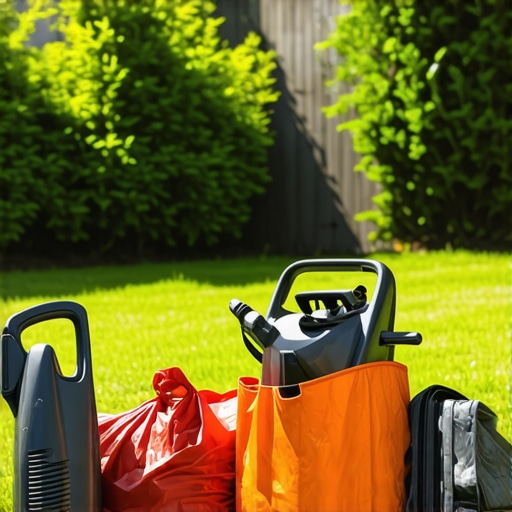
Saturdays should be for relaxing, not battling the chaos of yard work that seems to multiply every weekend. I remember one particular Saturday when I stepped outside, only to be overwhelmed by a mountain of tangled weeds, fallen branches, and soggy patches from last week’s rain. It hit me—I’d been delaying my yard cleanup for so long that it was now a full-blown monster. That lightbulb moment spurred me to seek faster, smarter ways to get my yard in shape without sacrificing my entire day.
Why Wasting Your Saturday on Yard Work Isn’t Foolproof
If you’ve ever looked at your yard and felt the dread of another endless cleaning session, you’re not alone. The truth is, traditional yard cleanup methods can eat up your precious weekend and leave you exhausted. But what if I told you there’s a way to cut down your cleanup time drastically? As a seasoned gardener and gardener, I’ve learned that the secret is not working harder but working smarter—leveraging quick hacks that maximize efficiency. Investing just a few hours with these tactics can unlock a stunning yard without turning your Saturday into a marathon of sweat and frustration. Did you know that some homeowners manage to save an extra 2 hours in their gardening routine just by adopting a couple of strategic tricks? For example, efficient yard cleanup tactics can improve your workflow and save time worth celebrating. You can check out some of these proven techniques in this comprehensive guide to yard cleanup tactics that save hours.
Is It Really Possible to Transform My Yard in a Flash?
I used to think that yard cleanup would always require an entire weekend and a toolbox of tools I barely knew how to use. I made my share of mistakes early on—like neglecting to clear the gutters prior to leaf season or trying to tackle overgrown bushes with blunt tools— which only prolonged the process. Trust me, I learned the hard way that rushing in without proper planning leads to wasted effort. Now, I focus on targeted, time-saving maneuvers that get the job done quickly and effectively. For more on quick, impactful yard enhancements, look into general landscaping tips for a stunning garden.
If you’ve faced the frustration of endless yard chores or just want to reclaim your weekends, stick around. In the upcoming sections, I’ll reveal five fast yard cleanup hacks that will not only save you time but leave your yard looking amazing in no time. Ready to turn your yard into a weekend victory instead of a Sunday sinkhole? Let’s dive in!
End of section.
Start with a Clear Plan
Before grabbing your tools, map out your yard sections. Break the yard into manageable zones, like dividing a meal into bites. This approach prevents overwhelm and keeps your momentum steady. I recall a time when I sketched an outline on my phone, which kept me focused and cut my cleanup time by half. Use a notebook or digital map to prioritize tasks, and tackle the most cluttered areas first.
Choose the Right Tools for Speed
Invest in a lightweight leaf blower, sharp pruning shears, and a sturdy rake. Think of your tools as extensions of your body—sharp blades make trimming faster, while a blower reduces manual raking. I once tried to clear my driveway with a broom, but switching to a blower shaved 15 minutes off my routine. Keep tools well-maintained; dull blades and clogged blowers slow you down.
Efficient Raking and Debris Removal
Use a raking pattern that follows the yard’s natural contours—side to side, leaning forward slightly. For large leaf piles, gather debris into a wheelbarrow for quick disposal. When I cleaned my backyard, I created a staging area for debris, which prevented me from wasting time walking back and forth. Regularly cleaning your tools ensures they work optimally and save you effort.
Handle Weeds and Overgrowth Strategically
Target weeds with a weed puller or manual hand tools—these are faster and more precise than herbicides. For overgrown bushes, prune with sharp shears, and remove dead branches first. I once spent an hour trimming a bush with dull scissors—after switching to sharp pruners, I finished in 20 minutes. Always dispose of cuttings promptly to avoid re-trapping debris and to maintain a tidy yard.
Use Mulch to Suppress Future Weeds
Apply a 2-3 inch layer of mulch around flower beds and garden areas. Mulch acts like a blanket, preventing weeds from poking through and reducing future cleanup effort. I learned this trick after battling persistent weeds in my vegetable garden, which made my next cleanup exponentially faster.
Leverage Smart Irrigation to Keep Yard Tidy
Install drip lines or adjustable sprinklers to water precisely where needed, eliminating excess runoff and muddy patches. Think of irrigation as watering only the roots, not the entire yard, which conserves water and minimizes muddy areas that require extra cleanup. During a dry season, I adjusted my system to focus on dry patches, reducing watering time and cleanup frequency.
Prevent Overwatering and Muddy Areas
Regularly inspect and repair irrigation valves and pipes—leaks cause soggy spots. I traced a leak after noticing pooling water, then fixed it with minimal effort, turning my soggy yard into a dry one. For recurring issues, consider mapping your system to zone-tune watering and avoid waste.
Quick-Disposal and Maintenance
Have designated containers for yard waste nearby. After clearing, bag or compost debris immediately to keep your yard organized. I kept a dedicated bin in my garage—a small step that prevented re-cluttering and sped up the entire process.
By implementing these targeted tactics, you can slash cleanup time and enjoy a pristine yard with less effort. For more detailed insights, check out these fast yard cleanup hacks and refine your routine further.
Many homeowners fall prey to misconceptions about sod installation, landscaping, and yard cleanup that can lead to costly mistakes and subpar results. Let’s dig deeper into some of the most widespread myths and reveal the hidden nuances that can make or break your yard’s health and appearance. One common belief is that choosing the most expensive sod or materials guarantees success. In reality, improper soil prep, watering, or timing often have a far greater impact than cost. For example, installing sod on poorly drained clay soil without proper amendments is a recipe for failure, regardless of price, as explained in expert guides on soil preparation. A frequent mistake is assuming all irrigation systems are created equal. Many overlook the importance of zone tuning and pressure regulation, which can cause overwatering or dry spots, undermining your entire landscape. For advanced enthusiasts, understanding the specific needs of different zones—like shaded vs. sunny areas—is crucial. This is why, in 2026, many top landscapers emphasize systematic zone management and precise irrigation calibration, backed by studies from turfgrass research institutions. Have you ever fallen into this trap? Let me know in the comments. Moving to landscaping myths, there’s a misconception that mature trees and shrubs will thrive without proper root space or soil conditioning. This oversight often results in stunted growth or disease. Instead, professional landscaping tips suggest that soil health, aeration, and appropriate plant selection are key to ensuring longevity. Don’t forget that plants’ roots need oxygen and nutrients, especially in compacted or poor soils, which is why aeration and organic amendments are critical steps often skipped by DIYers. Furthermore, many believe yard cleanup is a one-time effort, but I’ve seen experienced landscapers advocate for ongoing maintenance routines, including regular aeration, mulching, and debris management, to keep the landscape healthy and vibrant throughout the year. For instance, neglecting to address drainage issues can quickly turn a beautiful yard into a soggy mess, illustrating how complexity creeps into seemingly simple tasks. When it comes to sod, one major misconception is that all grass varieties are equally suitable for every climate. Selecting the right type—whether Kentucky bluegrass, Bermuda, or St. Augustine—depends on detailed climate and soil analysis. Misjudging this can lead to persistent yellow patches or drought stress, which is why expert recommendations include soil and climate tests prior to sod installation. To master these nuances, I recommend reviewing resources like top sod installation and irrigation tips, which offer insights into choosing compatible grass for your region. So, next time you’re planning your yard project, remember that success hinges on understanding these layered details. For more advanced tactics, check out our comprehensive guides linked throughout. Have you ever encountered unexpected issues because of a common misconception? Share your story below, and let’s learn from each other.
Maintaining Your Yard with Precision and Confidence
Keeping your lawn lush and your landscape pristine requires more than just sporadic attention. Investing in the right tools and establishing a streamlined maintenance routine is key to long-term success. Personally, I rely on a combination of high-quality equipment and smart practices that I’ve refined over years of landscaping experience. One essential tool I swear by is the Cordless Electric Leaf Blower. Unlike gasoline-powered models, these blowers are lightweight, produce zero emissions, and offer instant startup. I use a model with variable speed settings, which allows me to handle delicate shrubbery or heavy leaf piles with ease. Additionally, I’ve integrated a smart irrigation controller into my system, enabling me to fine-tune watering schedules based on weather forecasts and soil moisture data, reducing water waste and preventing soggy patches.
Beyond equipment, regular system checks are vital. I dedicate time monthly to inspect and calibrate my irrigation zoning and pressure, preventing issues like overwatering or dry spots that can compromise lawn health. To make this process effortless, I use a digital pressure gauge, which provides quick, accurate readings—saving me hours of trial and error. As irrigation systems evolve, I predict that automation and AI-driven management will become standard, making yard maintenance even more straightforward. For now, embracing zone tuning—this technique will drastically improve efficiency—is a game-changer.
How do I keep my irrigation system performing over time?
Consistent maintenance of irrigation components is crucial. I schedule quarterly cleanouts of emitters and valves to prevent clogging. Additionally, I check for leaks or pressure drops that might indicate worn-out parts. Using high-quality replacement parts from reputable brands ensures durability and optimal performance. Technology like moisture sensors and smart timers, which I’ve integrated into my setup, can adapt watering schedules based on real-time conditions, extending the lifespan of your system and promoting healthier grass. For more insights on avoiding irrigation pitfalls, consider consulting resources like these hidden signs of leaks.
Remember, the key is consistency. With the right tools and periodic checks, your yard will not only look great but also stay healthy with minimal effort. To elevate your maintenance game further, challenge yourself to try advanced zone calibration this month—it’s a small step that pays big dividends in yard health. As industry experts predict, smarter, sensor-driven irrigation management will dominate the scene by 2026, making yard care more automated and efficient. Dive into this trend now to stay ahead.
Over the years, one thing I’ve learned is that the journey to a beautiful yard isn’t just about quick fixes; it’s about embracing smart, strategic approaches that yield lasting beauty and health. My personal experiences have shown me the importance of patience, continuous learning, and leveraging the right resources. For instance, I once tried a DIY sod installation without proper soil prep, which led to uneven growth and frustration. That taught me the crucial lesson of thorough groundwork. Similarly, I discovered that regular irrigation system checks saved me hours of troubleshooting and kept my lawn vibrant year-round. These lessons have reshaped my approach, turning yard care from a dreaded chore into a rewarding hobby. Ultimately, investing time in understanding nuanced techniques and trusted tools transforms routine maintenance into a crafting process—bringing your ideal outdoor space within reach faster and more reliably than you ever imagined.