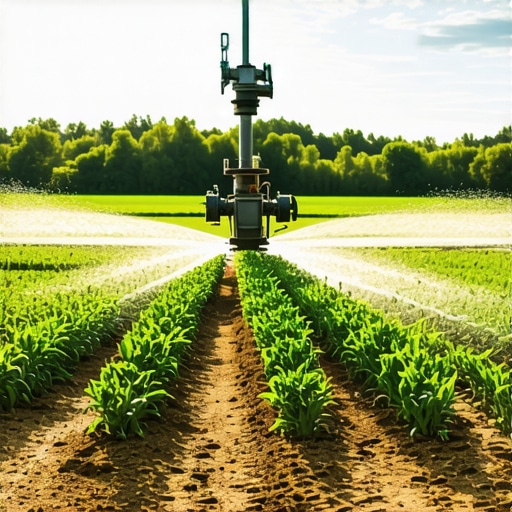
It was a sweltering July afternoon when I finally cracked. I stood by my irrigation controller, drenched in sweat, staring at the endless loop of my old sprinkler system. Despite watering every day, my lawn looked worse than ever—patchy, yellow, and thirsty-looking. That’s when the lightbulb went off: my watering system was quietly draining my wallet and wasting precious water.
I realized I wasn’t alone. Many homeowners are unknowingly throwing away hundreds of gallons every week because their irrigation systems aren’t optimized. The good news? There are a handful of smart fixes I discovered that can slash your water bills by up to 30% in 2026, without sacrificing a lush yard. Today, I’m going to share these game-changing tricks—saving you money and making your yard the envy of the neighborhood.
Why Your Old Irrigation System Is Costing You More Than You Think
Old, failing sprinkler systems are often silent money wasters. They leak, over-spray, and fail to deliver water efficiently, leading to higher bills and an unhealthy yard. According to the Environmental Protection Agency, residential sprinkler systems can account for up to 50% of outdoor water use—much of it wasteful. That’s a staggering number when you consider how much water (and money) can be saved with just a few updates.
In my early days, I made a critical mistake—assuming that a sprinkler is simply a set-it-and-forget-it device. I ignored signs of leaks and uneven coverage. That oversight cost me hundreds of dollars and dozens of dead patches before I realized the importance of system tuning. Now, I make sure to actively maintain and upgrade my irrigation, and I want to help you avoid that costly learning curve.
Start by turning on your sprinkler system and walking through your yard to look for pooled water, soggy spots, or visibly leaking pipes. I remember a summer afternoon when I noticed a small puddle beneath a hidden valve—quickly patching it saved me hundreds of gallons monthly. Use soapy water on connections and hoses; bubbles will reveal hidden leaks. Fixing leaks promptly prevents water wastage and maintains consistent watering coverage, essential for lush lawns. For a comprehensive guide, check out 5 smart irrigation fixes. Next, set the irrigation controller to match your landscape’s needs. I once mistakenly left mine on a default schedule, leading to overwatering on windy days. Adjust your timers to water early in the morning or late at night, reducing evaporation. Many controllers offer zone-specific settings; use them to customize watering based on plant type and soil moisture. Regular calibration ensures each zone receives the right amount of water, preventing waste and promoting healthy growth. For detailed calibration tips, visit zone tuning techniques. Invest in weather-based controllers or rain sensors that automatically adjust watering schedules based on real-time conditions. I installed a smart sensor last year; during a rainy week, it shut off my system, saving thousands of gallons. These technologies prevent overwatering during rain and drought periods, conserving water and reducing bills. While the upfront cost might seem high, the long-term savings are substantial. Read more about the best upgrades around in top irrigation upgrades. Effective zone zoning ensures each part of your yard gets the right amount of water without overlap or dry patches. I once duplicated zones without considering plant placement, leading to overwatering in some areas and dryness in others. Use a map to label zones by sun exposure, plant type, and soil type, then readjust your zone boundaries accordingly. Additionally, stagger watering times so that zones with high water needs are not competing for resources. Proper zoning and timing improve efficiency and keep plants healthy. For expert tips, visit mapping your irrigation plan. Finally, schedule routine maintenance—clean filters, check spray heads, and ensure no obstructions block water flow. I once ignored clogged filters, which caused uneven watering and dry patches. Clearing debris and replacing damaged parts maintains system performance and prevents wastage. A quick monthly check can extend the lifespan of your equipment and keep your yard thriving. For maintenance checklists, see yard cleanup tips. Many homeowners believe that achieving a lush lawn or a tidy yard simply depends on using the right equipment or following basic routines. However, this mindset often overlooks critical nuances that can make or break your landscaping success. For instance, a widespread misconception is that more watering always results in a healthier lawn. In reality, overwatering can lead to root rot, disease, and even watering waste, especially if your soil retains too much moisture. To avoid this, understanding soil drainage and moisture retention is vital; research shows that proper soil management reduces water use and promotes healthier grass, according to turfgrass expert Dr. James Murphy. Another common trap is relying solely on timers without considering weather variations. Many assume that setting a schedule once is enough, but unexpected rain or drought conditions require you to adjust your irrigation dynamically. Installing weather-based controllers or rain sensors can prevent overwatering, saving you money and resources. Remember, a system that adapts to environmental conditions outperforms fixed schedules, as highlighted in a study by the Environmental Protection Agency. When it comes to lawn installation and sod, a frequent mistake is neglecting soil preparation. Some think that laying sod directly onto existing soil will suffice, but poor soil conditions drastically reduce root establishment. Ensuring proper soil testing and amendments enhances sod survival. For targeted soil improvements, consider the soil temperature and nutrient profile, which influence root growth—more info is available in gardening literature and expert guides. A crucial yet often overlooked detail is the importance of correct zone design in irrigation. Many underestimate how overlapping zones or mismatched watering times can waste water and unevenly irrigate your yard. Mapping zones based on sun exposure, plant types, and soil characteristics ensures efficient use of water and promotes uniform growth. In fact, proper zone setup can cut water bills significantly, as seen in professional landscaping strategies. Finally, regular maintenance is vital but sometimes underestimated. Clogged filters, misaligned spray heads, or damaged valves silently reduce system efficiency. Routine checks—cleaning filters, inspecting heads, and fixing leaks—prevent costly repairs and water wastage. Many successful landscapers recommend scheduling these tasks monthly. Have you ever fallen into this trap of assumptions or overlooked these nuances? Let me know in the comments. Digging into these details might seem small, but mastering them can elevate your yard from average to outstanding, all while saving water and money.Maintaining a lush, healthy yard requires not just setup but ongoing care using the right tools and methods. Personally, I rely on a combination of professional-grade equipment and smart technology to ensure my landscaping remains vibrant year-round. For irrigation, I swear by a smart weather-based controller, which I programmed to adjust watering schedules automatically. This device uses local weather data to prevent overwatering—saving water and money—and its intuitive app allows me to tweak settings easily from anywhere, making long-term maintenance manageable and efficient. When inspecting or repairing components, I turn to high-quality diagnostic tools like pressure gauges and leak detection dye, which help identify issues swiftly before they escalate. Incorporating these tools into a regular schedule ensures that small problems don’t become costly disasters. Just as with any complex system, regular monitoring and preventive maintenance are crucial. I recommend setting a monthly checklist: inspecting sprinkler heads for clogs or misalignment, testing controller calibrations, and checking for leaks with a pressure gauge. Upgrading to durable, weather-resistant components extends your system’s lifespan; for example, replacing older spray heads with adjustable, low-volume models can significantly improve coverage and reduce waste. Additionally, keeping a log of repairs and adjustments helps track recurring issues, so you can invest in preventive measures rather than reactive fixes. Looking ahead, the trend in landscaping maintenance is moving toward automation and smart diagnostics. As technology advances, I predict that more homeowners will adopt AI-powered systems that continuously monitor water usage, soil moisture, and system performance, alerting them instantly when intervention is needed. To stay ahead, I suggest trying a smart irrigation upgrade—like a rain sensor or zone-specific controller—since these investments pay off quickly through water savings and system longevity. For detailed guidance on these upgrades, check out top irrigation upgrades. Regularly using diagnostic tools and staying proactive with maintenance will keep your systems functioning perfectly for years to come—making your yard the envy of the neighborhood. One of the most pivotal moments in my landscaping journey was realizing that not all irrigation practices are created equal—small adjustments in zone calibration or watering times can drastically reduce water waste. Another insight came from understanding soil health—poor soil preparation can undermine days of effort and cause sod to fail, no matter how much water you give it. Proper soil testing and amendments are game changers. I also learned that technology isn’t just a luxury but a necessity—smart controllers and rain sensors can save hundreds of gallons of water annually, yet many overlook their potential until it’s too late. Investing in these upgrades pays off quickly. Finally, routine maintenance and system checks are often underestimated. Regularly inspecting heads for clogs, leaks, and misalignments keeps your watering system performing at its best and prevents costly repairs down the line. In my experience, a quality soil moisture meter transformed how I scheduled watering, preventing over- and under-watering alike. It’s a simple yet powerful tool that provides real-time data, ensuring each zone gets just the right amount of water. The sprinkler head cleaning kit became my go-to for quick repairs—eliminating clogs and reducing water runoff. Trustworthy products like Rain Bird’s Rain Sensor and Hunter’s Pro-Spray nozzles have also been invaluable for efficient watering. For planning and design, I rely on GPS mapping apps that help me visualize zone boundaries and sun exposure, making zone setup more precise and reducing waste. These tools collectively boosted my confidence and results. Thinking back, the biggest leap in my landscaping success was shifting from reactive fixes to proactive systems. Making small tweaks—like upgrading to a weather-based controller or scheduling routine system checks—created lasting improvements. Remember, landscaping isn’t just about aesthetic appeal; it’s about nurturing a resilient, water-efficient yard that thrives through smart choices. So, take the first step today—your lush, healthy yard is worth it. Have you ever struggled with adjusting your irrigation schedule or system maintenance? Share your experiences below and let’s learn together!
Calibrate and Program Your Controller
Upgrade to Smart Technology
Optimize Your Zone Setup and Watering Times
Regular Maintenance to Keep Systems Running Smoothly
How do I keep my irrigation system running smoothly over time?
Lessons I Wish Someone Had Told Me About Landscaping and Irrigation
Tools That Elevated My Landscaping Game
Embrace the Changes and Watch Your Yard Flourish