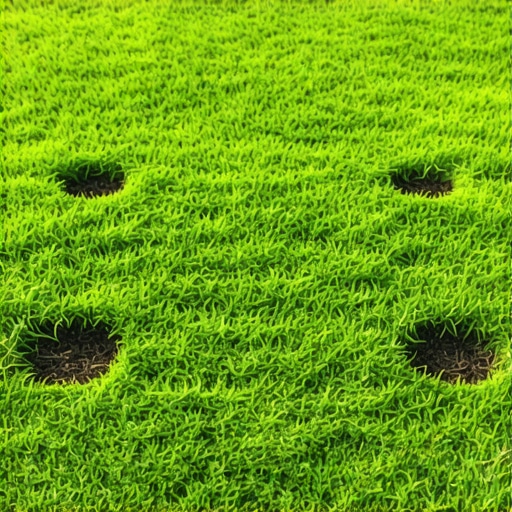
I remember the first hot day of spring, standing in my yard, perplexed by the uneven patches of brown amid lush green. My freshly laid sod was supposed to be the star of my backyard, but instead, it looked like a patchwork quilt—patchy, patchier, and downright frustrating. That lightbulb moment hit me: I needed to understand what my soil was missing and how to fix it before my disappointment turned into full-blown lawn failure.
Why Soil Matters More Than You Think
Soil health is the foundation of a vibrant, resilient lawn. Without proper aeration and soil management, your sod isn’t just struggling; it’s fighting a losing battle against compacted earth, poor drainage, and nutrient deficiencies. Did you know that compacted soil can reduce root growth by up to 50%, making turf more susceptible to drought and disease? (Source: USGA Study)
If you’ve experienced stubborn patches, persistent water runoff, or your lawn just refuses to fill in, chances are your soil needs some serious love. And honestly, one of the biggest mistakes I made early on was ignoring soil quality. I just assumed watering and fertilizing were enough—but that’s like trying to decorate a house with a weak foundation underneath.
What I discovered is that soil aeration can dramatically improve the health of your sod. Properly aerated soil allows water, nutrients, and air to reach the roots more effectively. And the good news? There are simple, proven fixes that can turn your patchy disaster into a lush paradise. Today, I’ll walk you through four smart soil aeration strategies that worked wonders for me and can do the same for your 2026 sod.
Got tired of fixing patchy spots and wondering if it’s worth the effort? You’re not alone. Many homeowners hesitate because they fear it’s complex or temporary. Trust me, I’ve been there—mistakenly believing that quick fixes would do the trick. But learning from my mistakes, I’ve found that addressing soil compaction and drainage issues head-on transforms lawns fast.
Ready to dive into the actual fixes? Let’s get your yard thriving again with these straightforward soil aeration methods. But first, have you battled uneven patches that seem to refuse to go away? If so, keep reading—you might be surprised how simple solutions can revive your turf and save your summer!
Start by using a spike or plug aerator to perforate the soil, creating tiny openings that allow roots to breathe. I rented a manual aerator, and the first pass was a muddy mess—I tripped, soil spilled everywhere, but the next day, I noticed a visible difference in soil looseness. This step is crucial for compacted soil, especially in high-traffic areas or clay-heavy ground.
If your yard is small, a manual tool might suffice, but for larger sections, investing in a powered aerator saves time and effort. Look for models with tines designed for your soil type. For clay soils, deeper tines work better to break through dense layers; for sandy soils, shallower penetration suffices.
Poor drainage causes waterlogging and root rot. I used to think that simply raking the surface was enough—then I realized water runoff was pooling in certain spots. To fix this, I installed a simple French drain system, which involved digging a trench, lining it with landscape fabric, and filling it with gravel and a perforated pipe. This approach channels excess water away from the sod roots.
Identify depressions by observing water pooling after rain. Fill these areas with a mix of topsoil and compost to elevate the level. I did this in my backyard, filling low spots with a rich mixture, which drastically improved surface runoff and soil aeration.
Test your soil’s pH and nutrient levels using affordable soil testing kits or professional services. My tests revealed acidic conditions, so I applied lime in the recommended amounts. Correcting soil pH enhances mineral availability, helping turf roots absorb nutrients efficiently. Regular testing guides future fertilization efforts, preventing nutrient deficiencies that cause patchiness.
Mix compost or aged manure into the topsoil before planting new sod. The organic material improves soil structure, boosts microbial activity, and increases aeration—making it easier for roots to establish. I spread a thin layer of compost over my prepared soil, then used a rake to blend it thoroughly, which resulted in quicker rooting and healthier grass coverage.
If your soil feels sticky or heavy, incorporate coarse sand or perlite to increase porosity. In my case, mixing a few bags of horticultural sand with existing soil helped create better air pockets. This step reduces compaction over time and promotes root penetration.
Don’t over-aggregate the soil; adding too much sand can lead to drainage issues. Balance organic and inorganic amendments carefully, following soil test recommendations. This fine-tuning made my lawn’s roots grow faster and more uniformly, leaving fewer patchy spots.
Regular aeration coupled with proper watering and fertilization maintains soil vitality. Remember, soil management is ongoing. I scheduled biannual aerations and periodically checked soil health to ensure long-term lushness. This consistent approach prevents soil from reverting to its compacted, unhealthy state, safeguarding against future patchiness.
Implementing these steps transformed my yard from a patchwork quilt into a green oasis. Each technique builds on the previous one, creating a cycle of improvement that sustains healthy root systems and lush grass coverage—proving that tackling soil issues directly is the best route to a vibrant lawn.
Many homeowners believe they know the ins and outs of landscaping and lawn care, but in reality, some widely accepted practices can be misleading or incomplete. Let’s unravel these misconceptions and explore the hidden nuances that can make or break your yard’s success. One common myth is that more lawn fertilizer equals a greener, healthier lawn. In truth, over-fertilizing can lead to nutrient runoff, soil imbalance, and even pest problems—it’s a delicate balance that requires proper soil testing and targeted amendments, as discussed in expert soil management articles. Additionally, many people think that watering frequently in small amounts benefits sod health, but consistent deep watering encourages robust root growth and drought resilience. For advanced gardeners, understanding soil moisture levels through sensors can optimize irrigation scheduling and prevent water waste, as highlighted in recent studies on smart irrigation solutions. A significant trap is neglecting soil structure; compacted soil hampers root penetration regardless of fertilizer use or watering, which is why aeration and soil amendments are crucial steps many overlook. When installing sod, novices often underestimate the importance of soil preparation—failing to address drainage issues or pH imbalance can lead to patchiness and root rot, despite proper planting techniques. Regarding fertilizers, relying solely on synthetic options might seem convenient, but integrating organic matter enhances soil microbiology and long-term vitality, a nuance often missed in quick-fix approaches. Have you ever fallen into this trap? Let me know in the comments. For those seeking to elevate their landscaping game, understanding these hidden factors and avoiding common pitfalls can transform your yard from average to extraordinary. Remember, a successful lawn is rooted in soil health, proper irrigation, and strategic land management—investing time in these areas yields the most stunning, resilient results.
Investing in the Right Equipment For Long-Term Success
To maintain a healthy, lush lawn over time, having the right tools is crucial. I personally swear by a high-quality, walk-behind rotary mower with adjustable cutting heights. It allows me to fine-tune the grass length, which promotes denser growth and reduces pests. For soil aeration, I recommend renting a commercial-grade plugin aerator, especially for compacted or clay-heavy soils, as it creates the necessary channels for air, water, and nutrients to penetrate deeper into the soil profile. Using a dethatching rake helps remove thatch buildup, preventing layer compaction that can suffocate roots.
Why I Rely on Soil Moisture Sensors
Besides manual tools, integrating smart irrigation technology like soil moisture sensors has revolutionized my watering routine. These devices monitor real-time moisture levels and adjust watering schedules automatically, preventing overwatering or underwatering. The trend in landscape maintenance is shifting towards smart solutions because they not only conserve water but also extend the lifespan of your irrigation system, reducing repair costs over time.
How do I keep my irrigation system in top shape?
Regular maintenance involves flushing the system annually, checking for leaks, and calibrating timers to match seasonal needs. I inspect sprinkler heads for clogs and uniform spray patterns, aiming for efficient coverage. Installing rain sensors or smart controllers can further optimize watering schedules, especially in variable weather conditions. For an in-depth guide, check out this article on smart irrigation fixes. Upgrading to drip or micro-spray systems in flower beds can also reduce water waste and target moisture precisely where needed.
Future Trend: Automation and Data-Driven Landscape Care
Looking ahead, landscape maintenance will increasingly leverage automation and data analytics. AI-powered systems will personalize watering, fertilizing, and mowing schedules based on soil health, weather forecasts, and grass species. This proactive approach minimizes manual adjustments and enhances your yard’s resilience. Embracing these technologies now gives you a competitive edge, ensuring your outdoor space remains spectacular with less effort.
How do I maintain my tools and methods over time?
Consistent care of your equipment, like cleaning and sharpening blades regularly, is vital for optimal performance. Keep soil testers calibrated, and update software on smart irrigation devices to benefit from firmware improvements. Setting a seasonal maintenance schedule helps prevent costly repairs and keeps your landscape strategies effective. Remember, a well-maintained toolkit directly translates to a healthier yard and long-lasting results.
If you’re serious about elevating your yard care, I urge you to try integrating soil moisture sensors into your irrigation routines. These tools are game-changers and one of the smartest investments you can make for a sustainable, thriving landscape. For more tips on soil health, visit this comprehensive guide.
Lessons I Wish I Learned Sooner About Lawn Mastery
- One of the toughest truths I faced was realizing that just throwing fertilizer on my lawn didn’t fix patchiness—it was a sign that my soil health was neglected. Soil testing revealed deficiencies, and addressing those made all the difference. Don’t fall into the trap of quick fixes; understand your soil first.
- I underestimated the importance of proper drainage in my yard until waterlogged patches kept killing my sod. Installing a French drain transformed my lawn; sometimes, investing in the right drainage can save months of frustration.
- Initially, I thought more watering meant faster grass growth. Yet, deep, infrequent watering promoted healthier roots and drought resilience. Smart irrigation, especially when combined with soil moisture sensors, took my lawn from patchy to plush—and saved water too.
- Ignoring soil pH was a costly mistake. Regular soil tests and pH adjustments helped my sod absorb nutrients effectively, preventing stubborn yellow patches. Tailoring soil amendments is a game changer.
- Finally, I learned that consistent aeration and organic soil amendments built a foundation for lushness. These practices are investments in your yard’s future—don’t skip them for the sake of convenience.
Gear That Grew My Lawn’s Resilience
- Investing in a high-quality powered aerator was pivotal. It made soil loosening efficient, especially in compacted clay, leading to vigorous root growth. Renting professional-grade equipment pays off.
- Soil moisture sensors revolutionized my watering routine, ensuring I didn’t over- or under-water. Affordable and reliable, they are essential for any serious gardener looking for water efficiency.
- A comprehensive soil testing kit helped me identify pH imbalances and nutrient deficiencies before issues like patchy patches appeared. Trusting science rather than guesswork makes a tangible difference.
- Using organic compost and soil conditioners, I saw faster establishment and healthier turf. Simply put, quality soil amendments are the backbone of a resilient lawn.
Your Turn to Thrive
Embarking on a soil-centric approach to lawn care can seem daunting at first, but the rewards are undeniable. When you focus on understanding and nurturing your soil, your yard becomes an inviting oasis that requires less maintenance over time. Remember, a thriving lawn starts beneath the surface—so dig in, stay patient, and enjoy the journey.
Have you ever faced unexpected surprises with your soil or irrigation system? Share your experiences below—your story might inspire someone to give their lawn the love it deserves.