
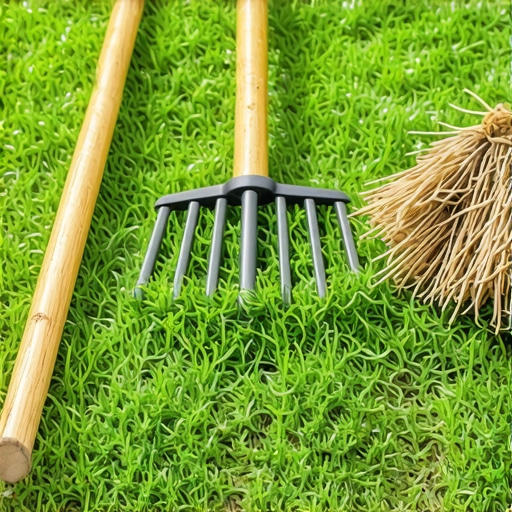
A homeowner called me in a panic after they completely torched their front lawn by applying three times the recommended rate of high-nitrogen fertilizer on top of a three-inch thatch layer. The result was a chemical nightmare. The grass wasn’t just dead; it was chemically mummified. Because the thatch was so thick, the fertilizer stayed trapped in the organic debris, never reaching the soil, and essentially cooked the root crowns from the top down. This is the reality of neglect. If you think your yard cleanup is just about raking leaves, you are fundamentally misunderstanding the biology of your turf. For 2026, we are looking at a year where moisture cycles will be erratic, and a thick thatch layer is a death sentence for your investment.
The Autopsy of a Smothered Lawn
Dethatching for the 2026 season involves the mechanical removal of accumulated organic matter, specifically lignin-heavy debris, located between the green vegetation and the soil surface. This process ensures that irrigation and nutrients reach the root zone, preventing hydrophobic soil conditions and fungal pathogens from destroying your turf grass health.
Thatch is not just grass clippings. Grass clippings are 90% water and break down quickly. Thatch is a tightly interwoven layer of living and dead stems, leaves, and roots. When this layer exceeds half an inch, it becomes a barrier. I have seen 20-year-old lawns in high-end landscaping projects fail because the owner thought a lush look meant a healthy lawn. It didn’t. Underneath, the roots were actually growing into the thatch rather than the soil. This is called root girdling at the surface level. It makes the lawn incredibly susceptible to drought and heat stress. The physics of the matter are simple: thatch acts like a sponge that absorbs water but never lets it go deep enough to reach the actual dirt. You are essentially growing a hydroponic lawn on a bed of rotting straw.
“Thatch accumulation occurs when the rate of organic matter production exceeds the rate of decomposition by soil microorganisms.” – Agricultural Extension Agronomy Manual
How much thatch is too much for my yard?
Take a trowel and cut a 4-inch deep wedge out of your lawn. Look at the cross-section. If the spongy brown layer between the blades and the soil is thicker than a finger’s width, you have a structural failure. You don’t need a new sod install yet; you need a mechanical intervention. I tell my crew every day: you can’t fix a drainage issue with more water. You fix it by removing the blockage.
Step 1: The Diagnostic Probe and Soil pH Calibration
The first step in a professional 2026 lawn restoration is measuring the thatch depth and testing the soil pH levels to determine the rate of microbial activity. Accurate diagnostics allow for precision yard cleanup that targets the root cause of organic buildup rather than just the surface symptoms.
Microbes are the janitors of your lawn. They eat thatch. But they only work if the pH is between 6.0 and 7.0. If your soil is too acidic, those microbes go on strike. The thatch builds up. This is where most DIYers fail. They go out and rent a power rake without checking why the thatch is there in the first place. You need to understand the nitrogen cycle. Excessive nitrogen fertilization, which I see in almost every ‘mow-and-blow’ contract, stimulates rapid growth that the soil biology cannot keep up with. It’s like trying to shove a Thanksgiving dinner down a sink drain. It will clog.
| Method | Equipment Used | Impact Level | Best For |
|---|---|---|---|
| Manual Raking | Thatch Rake | Low | Small areas, minor buildup |
| Power Raking | Mechanical Flail Mower | Medium | Standard 2026 maintenance |
| Vertical Mowing | Verticutter / Slicing Blades | High | Severe neglect, major restoration |
Step 2: Aggressive Mechanical Removal (The Surgery)
Mechanical dethatching utilizes specialized equipment like verticutters or power rakes to physically pull the lignin-rich thatch to the surface for removal. This process is essential for landscaping health, as it opens up the soil canopy to allow for gas exchange and improved irrigation efficiency across the entire property.
When you run a power rake, it should look like a war zone. If you aren’t pulling up mountains of debris, you aren’t doing it right. I’ve had clients fire me mid-job because they thought I was killing their grass. Two weeks later, they call back to apologize because the lawn has never looked better. The blades of a verticutter should be set to just graze the soil surface. This vertical slicing also severs the rhizomes and stolons of the grass, which actually stimulates new, aggressive growth. It’s a biological reset button. Don’t skip this. The 2026 weather patterns are predicted to have higher humidity peaks, and thick thatch is a breeding ground for Pythium blight and Brown Patch. You remove the thatch, you remove the habitat for the fungus. It’s that simple.
How do I know if I need a sod install instead?
If your thatch layer is over 3 inches, the grass roots have likely abandoned the soil entirely. In this case, dethatching will leave you with bare dirt. If more than 50% of the lawn is composed of thatch-dwelling roots, a full sod install is your only engineering solution. Anything else is just putting a bandage on a gunshot wound.
“A retaining wall doesn’t fail because of the stone; it fails because of the water trapped behind it. Similarly, a lawn fails because of the interface between the air and the root.” – Hardscape Engineering Axiom
Step 3: Soil Remediation and Irrigation Synchronization
The final phase of dethatching involves core aeration and top-dressing with organic compost to reintegrate soil microbiology. This step ensures that your irrigation system delivers moisture directly to the rhizosphere, fostering a resilient lawn capable of surviving the 2026 summer heat through deep-root establishment.
After the debris is hauled away—and we are talking about cubic yards of waste for a standard lot—you must feed the soil, not just the plant. We use a 70/30 mix of sand and organic compost. The sand provides drainage and prevents compaction; the compost provides the microbial life needed to prevent future thatch buildup. Then, you must recalibrate your irrigation. Most people water for 10 minutes every day. That is the mark of an amateur. You want deep, infrequent watering. One inch, once a week. This forces the roots to chase the water down into the soil. If you water every day, the roots stay in the top half-inch, right where the thatch will start to form again. You are training your grass to be weak. Stop it.
- Check 811 before any deep aeration to mark utility lines.
- Apply a high-phosphorus ‘starter’ fertilizer to encourage root repair.
- Ensure mower blades are sharpened to avoid tearing the stressed grass.
- Maintain a 3-inch height of cut for the first three weeks post-treatment.
- Monitor irrigation heads for clogged nozzles after the cleanup process.
The 2026 season will be won or lost in the dirt. If you focus on the biological engineering of your soil rather than just the cosmetic appearance of the green blades, you will have a lawn that survives while your neighbor’s ‘mow-and-blow’ special turns to dust. It takes work. It takes calloused hands. But a healthy soil profile is the only thing standing between a professional landscape and a weed patch.