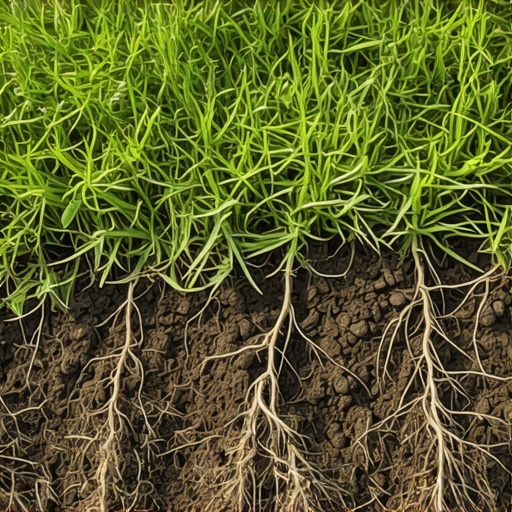
It was a scorching July afternoon when I finally looked out my window and realized my brand-new sod looked, well, less than lively. Instead of lush, emerald green, I saw patches of dull brown and a few slices of yellow. I had just spent a good chunk of my weekend laying down that sod, and now it was struggling to survive. That moment hit me—was I watering enough? Or was I overdoing it?
As a curious homeowner, I dove into the world of lawn care, quickly discovering that sod stress isn’t always about watering too little or too much but often a tricky balance. My initial mistake was assuming I’d get away with neglecting the early signs of root stress. Trust me, that’s a mistake many of us make, and it can turn a promising lawn into a patchy nightmare.
Today, I’m here to share what I’ve learned about recognizing the early signs of root stress in your 2026 sod. Because if you catch these signs early, you can revive your lawn without resorting to drastic measures—or worse, patching up dead patches later on.
So, how do you know if your lawn is silently crying out for help? That’s what we’ll uncover together—no scare tactics, just practical advice rooted in real experience. Ready to save your sod before it’s too late?
Why Your Sod’s Survival Depend on More Than Just Water
Growing a vibrant, resilient lawn isn’t just about watering on schedule or deleting weeds; it’s a delicate dance with your soil, your watering system, and your plant’s root health. Early signs of root stress are often subtle—dry patches, uneven growth, or a slightly wilted look. Recognizing these signs can be a game changer.
In fact, a study published by the University of California emphasizes that proper root health is pivotal for drought resistance and overall lawn vigor, especially in the face of changing climate patterns (source: universityfac.org). This means your watering approach isn’t just about quantity but about timing, quality, and sensing your lawn’s needs.
Early on, I learned that neglecting these signs could lead to rapid turf decline, pests, and disease. It’s a trap I almost fell into—mistaking dry patches for mere dryness when they were actually symptoms of stress deeper in the roots.
So, have you faced trouble with your sod turning dull or patchy despite regular watering? If so, you’re not alone—and understanding these signals could be your first step toward a healthier lawn.
In the next section, I’ll walk you through the five key signs that indicate your sod is under root stress and how to respond before it’s too late.
Check Your Soil First
Before watering or fertilizing, test your soil moisture by digging a small, two-inch hole in your lawn, then feel the soil. If it feels dry at that depth, your roots might be dehydrated, signaling a need for watering. Avoid guessing—use a soil moisture meter for accuracy, which helps prevent overwatering that can drown roots or underwater stress. When you confirm dryness, proceed with irrigation, aiming for deep, infrequent watering that encourages roots to grow downward, improving drought resilience. Learn more about effective watering techniques at this expert guide.
Improve Your Irrigation System
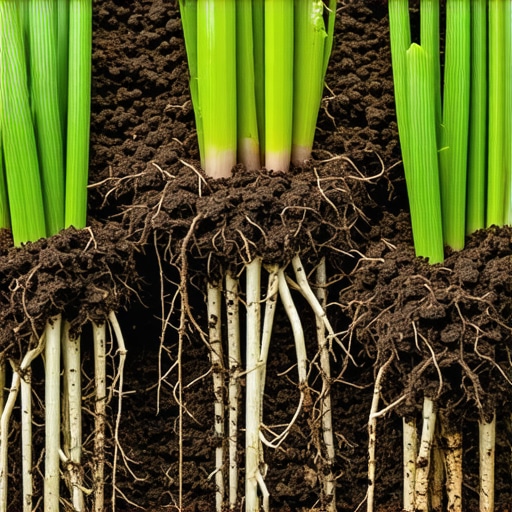
Next, evaluate your irrigation system’s coverage. Imagine your sprinkler as a painter splashing the lawn evenly—if parts are skipped or overly soaked, roots won’t develop uniformly. Turn on your system and observe the spray pattern, noting dry patches or pooling zones. Adjust head positions or add emitters to ensure even distribution, especially in areas prone to drought stress. Calibration is key; check out this calibration guide for step-by-step instructions. Properly calibrated sprinklers sustain consistent moisture levels, promoting healthy root growth.
Air Out the Soil with Aeration
Compacted soil acts like a stubborn sock that prevents roots from breathing. To loosen it, rent or buy an aerator and systematically puncture the soil, creating small holes that allow air, water, and nutrients to reach roots more efficiently. I recall struggling with this—my first aeration session was a messy affair, with clumps of soil flying everywhere, but the result was a revitalized lawn. After aeration, apply a light layer of compost or lawn topdress to enhance soil fertility. Aeration is especially beneficial if your soil is clay-heavy or has been heavily trafficked. Learn from this expert advice for optimal soil management.
Feed Roots with Proper Fertilization
Roots require nutrients to recover from stress. Use a slow-release, nitrogen-rich fertilizer designed for sod, ensuring it promotes deep root growth. Apply fertilizer after aeration so nutrients can penetrate deeper—think of it as delivering a vitamin shot directly to the roots. Follow the recommended application rates; over-fertilizing can burn roots, while under-fertilizing stunts recovery. For tailored suggestions, see this fertilization guide. Keep in mind, fertilization with the right timing boosts resilience against drought and pests.
Manage Traffic and Footprint
If your lawn sees a lot of foot traffic, those areas compact faster. Create pathways or stepping stones to divert activity and give grass a break. During recovery, limit heavy use in stressed zones—think of your lawn as a patient resting in recovery; too much stress can exacerbate root damage. Consider installing a temporary mulch layer over severely affected patches to protect roots and retain moisture. Regularly monitor these zones for improvement, and adjust your activities accordingly. For ideas on yard layout, explore professional landscaping tips.
While most people focus on watering schedules and proper soil preparation, there’s a wealth of nuanced mistakes that can sabotage your lawn’s success. One common myth is that overseeding or fertilizing excessively will speed up recovery; in reality, overdoing it can lead to nutrient burn and root stress, especially if your soil isn’t properly tested beforehand. Experts emphasize that understanding your soil’s specific nutrient profile is crucial—without this knowledge, you risk applying the wrong amendments and worsening turf health. Moreover, many homeowners underestimate the importance of soil compaction; compacted soil reduces aeration and water penetration, which are vital for root growth. Regular aeration, properly timed and executed, can dramatically improve sod establishment, yet many skip this step altogether. An advanced mistake involves ignoring soil pH levels; alkaline or acidic soils can hinder nutrient uptake, causing subsurface deficiencies that manifest as yellowing or patchiness. According to soil scientists, maintaining an optimal pH tailored to your turf type boosts root vitality. Have you ever fallen into this trap? Let me know in the comments. To dig even deeper into proper sod installation techniques, check out [this comprehensive guide](https://urbanlandscapingx.com/effective-sod-install-irrigation-strategies-for-lush-lawns-2025). Additionally, avoiding quick fixes like excessive topdressing without addressing underlying soil issues can lead to long-term problems, including water runoff and diseased turf. Remember, a thriving lawn is rooted in understanding these often-overlooked nuances—skipping them might seem minor now but could cost you an entire season of lush greenery.Maintaining a lush and healthy lawn over time requires more than just initial setup; it demands reliable tools and a strategic approach. One of my go-to investments has been a high-quality soil moisture meter, which offers instant readings at various depths. I personally use the [XLUX Digital Soil Moisture Meter](https://urbanlandscapingx.com/effective-sod-install-irrigation-strategies-for-lush-lawns-2025) because it provides quick, accurate data—helping me avoid overwatering or underwatering. Regular soil testing, combined with precise irrigation adjustments, drastically reduces water waste and promotes healthier root development. Future trends point towards smart irrigation systems integrated with soil sensors, enabling real-time adjustments that optimize water use and lawn health without constant manual oversight. In fact, experts like those from the University of California emphasize that adaptive watering technologies heal lawns faster and sustainably.
Beyond soil moisture tools, I rely on a robust, adjustable sprinkler system with zone control—ensuring even coverage and easy management as your landscape evolves. I recommend systems that allow zone calibration, such as the [Rain Bird Smart Meter](https://urbanlandscapingx.com/dry-spots-3-zone-calibration-steps-for-2026-irrigation-systems), which can help fine-tune watering schedules based on real-time data, preventing issues like dry patches or water runoff.
To keep your irrigation system functioning optimally, periodic hardware inspections are vital. Check sprinkler heads for clogs, leaks, or misalignment; small investments in nozzles and repair kits can save extensive water bills and turf stress over time. Furthermore, maintaining a simple yet effective manual tool kit with pruners, rakes, and shovels makes yard cleanup more efficient and less time-consuming.
In the realm of soil health, I advocate for periodic aeration—using a core aerator, preferably rental models with adjustable depth—that significantly enhances water penetration and root oxygenation. After aerating, applying compost or organic amendments enriches the soil, promoting long-term fertility. This is especially crucial if your soil is clay-heavy or compacted, factors that can undermine irrigation efforts. For step-by-step guidance, check out [this comprehensive aeration guide](https://urbanlandscapingx.com/top-yard-cleanup-landscaping-tips-for-a-stunning-2025-garden), which walks through best practices.
Finally, I suggest embracing automation where possible. Installing a smart timer, calibrated accurately, ensures that your lawn receives consistent watering, even when life gets hectic. Regular calibration using soil moisture readings and sensor data is essential to prevent overwatering—a common mistake that wastes resources and stresses your turf.
Why not try setting up a sensor-guided irrigation schedule this month? It’s a game-changer that combines technology with practical yard management, leading to a resilient and vibrant lawn all year round. For detailed steps on calibrating your smart timer, take a look at [this calibration tutorial](https://urbanlandscapingx.com/does-your-2026-smart-irrigation-timer-need-a-calibration). With these tools and approaches, you’ll be well-equipped to keep your lawn healthy and thriving, season after season.
What I Wish I Knew Before Overwatering Was the Secret Enemy
One of the toughest lessons I learned was that more water isn’t always better; sometimes, it’s the hidden culprit behind sod stress. Overwatering can suffocate roots, leading to rot and dull patches. Trusting the soil moisture meter over my gut feeling saved me from future disappointment.
Then There Was the Myth of Spot-Checking
I used to think that turning on sprinklers and visually inspecting the lawn was enough. Turns out, soil moisture varies with depth—and roots need that moisture for sustained health. Deep testing revealed dry zones I’d overlooked, prompting me to adjust my irrigation accordingly.
The Surprisingly Critical Role of Soil pH
I ignored soil pH for too long, assuming it was just a gardening concern for flowers. But sod thrives only within a narrow pH window. Investing in a simple test kit made me realize that balancing my soil’s acidity improved nutrient uptake and root vigor more than any fertilizer ever could.
The Hidden Power of Aeration Badly Underestimated
Many homeowners skip aeration, but I found it transformative. Loosening compacted soil created pathways for water and nutrients, giving my roots room to breathe. My at-home aerator saved thousands compared to professional services and rejuvenated my lawn faster than I imagined.
Mini-Tools That Changed My Yard Game
From soil testers to adjustable sprinklers, small investments made a big difference. These tools didn’t just make tasks easier; they taught me to read my yard’s unique signals and respond effectively. Regular use turned guesswork into science, ensuring my sod’s resilience and lushness.
Where to Go from Here
If you’re serious about thriving sod, dive deeper into expert techniques—consider reading [this guide](https://urbanlandscapingx.com/effective-sod-install-irrigation-strategies-for-lush-lawns-2025) on effective installation and irrigation. Equip yourself with quality tools, monitor your soil’s secrets, and remember—patience is key. Your effort today will reward you with a vibrant, healthy lawn tomorrow!
Stick with It and See Your Lawn Flourish
Every mistake is a stepping stone toward mastering your yard. With the right measurements, tools, and practices, your sod can withstand droughts, pests, and foot traffic alike. Don’t be discouraged—your lush oasis is within reach if you stay curious and proactive.