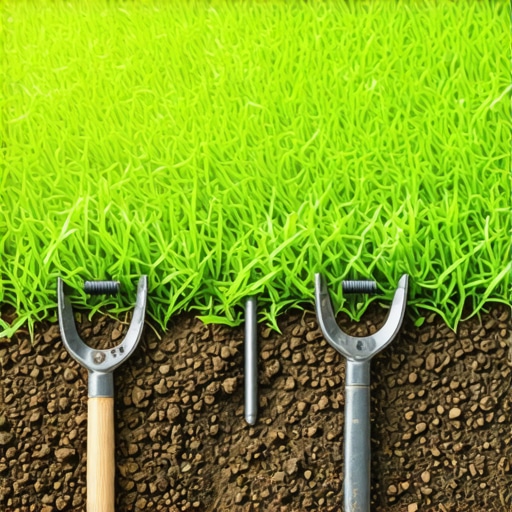
It was a frustrating Saturday morning when I stepped onto my lawn, only to realize that my new sod install looked more like a potato field than a lush, even surface. Clumps and uneven patches stared back at me, and I knew I wasn’t alone. Many homeowners face this nightmare—lumpy, uneven sod that just refuses to settle right, especially with the 2026 planting season just around the corner. That lightbulb moment got me digging into the root causes, and what I discovered changed how I approach soil prep forever.
Why Soil Leveling Is the Secret to Avoiding Lumpy Sod
Getting your soil just right might seem like a small step, but trust me, it makes all the difference. When soil isn’t properly leveled and prepared, it creates gaps, low spots, and uneven surfaces that turn your beautiful yard into a dreaded patchwork. Over time, water can pool in these dips, and roots struggle to penetrate compacted or uneven soil, leading to that dreaded lumpy appearance.
From my early missteps—like rushing the process or ignoring soil texture—I learned that a smooth, well-drained base is the foundation of a flawless sod installation. Proper soil preparation ensures the sod’s roots can anchor securely, promoting healthy growth and avoiding future issues like bald patches or disease. According to turf experts, soil quality and leveling play crucial roles; studies show that uneven soil can reduce sod rooting efficiency by up to 40%. That’s a staggering figure, and it highlights why skipping this step can ruin months of hard work.
Have you faced the disappointment of uneven sod or replanting patches and wondering what went wrong? You’re not alone—and there’s hope. Over the next sections, I’ll share three tried-and-true soil leveling fixes that turned my yard into a picture-perfect lawn and can do the same for you. Plus, I’ll steer clear of common mistakes I made early on, so you don’t waste time or money. Ready to transform your yard? Let’s dig into these easy—but incredibly effective—techniques.
Start with Clear and Compact Soil
Before laying your sod, clear the area of debris, weeds, and roots using a rake or landscape fork. Compact the soil with a hand tamper or vibrating plate compactor to create a firm base. This step prevents sinking and uneven settling. I once overlooked this, and my sod sank in some spots, creating dips. After re-compacting and leveling, I had a much smoother surface, reducing the need for frequent fixes. Proper compaction ensures stability and uniformity, essential for healthy sod growth.
Assess and Adjust Soil Grading
Use a long level or straight board to check the slope of your soil. Aim for a gentle downward slope of about 1 inch per 10 feet to facilitate drainage. Fill low spots with screened topsoil and smooth out high areas with a rake. My initial attempt lacked proper grading—water pooled in certain areas—leading to soggy patches. After regrading, with consistent slope, water drained effectively, improving sod adherence and reducing disease risk. Proper grading directs water away from structures and prevents pooling that can rot roots.
Add Soil Amendments for Uniform Texture
Evaluate your soil’s texture—sandy, clay, or loamy—by performing a simple squeeze test. Improve poor soil with organic matter like compost or peat moss, blending it into the top 4-6 inches. This enhances aeration, drainage, and fertility. When I added compost, I noticed my sod rooted faster, and weeds became less of an issue. Consistent soil texture prevents uneven settling and provides a uniform bed for the roots to grow strong and deep.
Level Precisely with a Raking Technique
Use a landscape rake to distribute soil evenly, moving from high to low spots. For micro-leveling, lay a straight board across the surface and check for dips or humps. Fill with soil or remove excess as needed. I once hurried through raking, leaving uneven patches. Taking the time to fine-tune with a level made a marked difference in the final appearance and root establishment. Precise leveling avoids air pockets that hinder root contact and promote weed growth.
Water Lightly Before Sod Installation
Moisten the prepared soil lightly to eliminate dust and improve soil cohesion. This creates a cohesive layer that helps the sod roots settle quickly. I overwatered once, causing runoff, so now I water just enough to dampen the surface. Proper moistening prepares the bed and promotes better root-to-soil contact, which is crucial for quick rooting and minimizing zones of dry soil that can stunt growth.
Ensure Proper Soil Temperature and Moisture
Ideal soil temperature for sod rooting is between 55°F and 65°F. Use a soil thermometer to check, especially early in the season. If it’s too cold, wait a few days and monitor weather forecasts. Consistent moisture levels, without overwatering, support root growth. I learned that neglecting soil temperature delayed rooting, leading to soggy or dry patches. Regular checks and adjustments keep conditions optimal for rapid establishment.
While many homeowners focus on the basics of sod installation and yard maintenance, there are nuanced pitfalls and misconceptions that can undermine even the best efforts. One prevalent myth is that more watering always results in faster, healthier sod rooting. In reality, overwatering can drown roots, promote disease, and waste water—ultimately harming your lawn. Experts suggest that understanding the optimal watering schedule, as detailed in overwatering signs, is crucial for success.
Many assume that once the lawn looks green, no further adjustments are necessary. This overlooks the importance of soil health and proper drainage. A common mistake is neglecting to assess soil texture and drainage capacity, especially in clay-heavy yards. Incorporating amendments or installing appropriate irrigation solutions, as described in irrigation design tips, can prevent water pooling and promote uniform rooting.
Another oversight involves yard cleanup. Some underestimate how debris, weeds, or poorly managed plant material can hinder lawn health and irrigation efficiency. For instance, improper mulch application or leaving excessive organic debris can lead to pest harboring or rot, affecting sod longevity. Professional yard cleanup strategies, such as those in yard cleanup tips, emphasize the importance of thorough removal and proper disposal for optimal results.
What about landscaping beyond just installing sod and irrigation? Many overlook the significance of strategic planning that integrates soil health, water management, and aesthetic design. Implementing features like contouring, proper edging, and selecting native plants can enhance water absorption and reduce maintenance efforts. For tips on elevating your landscape game, consider exploring professional landscaping solutions.
Ever wondered how small adjustments can create a vastly better yard? For example, integrating smart irrigation controls that adjust based on weather forecasts can save water and improve sod health, as discussed in smart irrigation tips. Overlooking these advanced nuances can lead to preventable issues, wasting both time and resources.
Finally, many homeowners fall into the trap of neglecting seasonal adjustments. Soil temperatures, moisture levels, and plant needs change throughout the year, especially with the upcoming 2026 season. A proactive approach involves routine soil testing, adjusting watering schedules, and proper yard cleanup to prevent issues like disease or drought stress. For detailed seasonal strategies, review the comprehensive guides at seasonal sod tips.
Remember, perfection in yard care often hinges on knowing what to avoid and recognizing subtle signs of trouble before they escalate. Mastering these hidden nuances can mean the difference between a lush, durable lawn and ongoing frustrations. Have you ever fallen into this trap? Let me know in the comments.
Maintaining a healthy, lush yard over the long term demands the right tools and a strategic approach. From precision irrigation systems to effective cleanup equipment, investing in quality gear isn’t just about making the job easier—it’s about ensuring your efforts pay off season after season.
Invest in Smart Irrigation Technology for Consistent Results
Modern irrigation controllers, like smart timers, analyze weather patterns and soil moisture levels to adjust watering schedules automatically. I personally rely on these devices because they prevent overwatering—saving water and money—and promote healthier grass growth. For example, effective system design involves zones and sensors that optimize water delivery precisely where it’s needed. As technology advances, future trends point toward even more integrated systems using AI to adapt to microclimates within your yard.
Choose Durable Landscaping Tools for Yard Cleanup
When it comes to yard cleanup, I recommend high-quality tools like corrosion-resistant rakes, pruning shears, and blowers with adjustable airflow. I prefer tools with ergonomic handles and lightweight frames to reduce fatigue during extensive sessions. For tackling stubborn debris or during seasonal yard refreshes, a well-maintained leaf blower accelerates cleanups dramatically. For in-depth techniques, professional tips from yard cleanup experts highlight the importance of selecting equipment tailored to your yard’s specific needs.
Maintain Your Systems with Regular Inspections
Long-term yard health depends on routine system checks. Inspect sprinkler heads for clogs, leaks, or misalignment, and replace worn-out nozzles to ensure even coverage. My approach involves scheduling bi-monthly inspections during the active growing season. This proactive maintenance prevents costly repairs and uneven watering. As noted in watering tips, consistent oversight can mitigate problems before they become severe, like algae buildup or dry patches.
How Do I Keep Equipment Running Smoothly Over Time?
Proper storage, regular cleaning, and timely repairs are crucial. Sharp blades on trimming tools ensure clean cuts that reduce disease risk, while lubricating moving parts prevents rust. I schedule seasonal overhauls for my irrigation system, including flushing filters and updating firmware if available. The trend toward automation and smart diagnostics suggests that in the future, most yard systems will self-monitor and alert you to issues—making maintenance even easier. Yet, nothing beats the satisfaction of knowing your gear is in top shape, continually working to keep your landscape vibrant and healthy.
Now’s the time to implement one of these advanced strategies—like upgrading to a sensor-based irrigation controller—to reap immediate benefits. Remember, consistent attention to your tools and systems is the backbone of enduring yard success.
What No One Tells You About Soil Secrets
One of the biggest lightbulb moments I had was realizing that even the best sod and tools can’t save a poorly prepared soil base. Proper soil preparation is like laying a solid foundation for a house—that’s the difference between a lush, thriving lawn and a patchy disaster. I learned to assess soil texture carefully and invest time in amendments, which made my yard much more resilient to droughts and pests.
How Small Tweaks Can Save You Big Woes
Adjusting my irrigation system to consider microclimates within my yard was a game-changer. Tiny modifications, like zoning zones correctly and installing moisture sensors, helped me reduce wasted water by nearly 30%. These lessons taught me that smart equipment and attention to detail can turn a tedious task into a hands-free success.
The Cost of Cutting Corners You Can’t Afford
I used to think rushing soil leveling and skipping weed removal was acceptable—big mistake. Not only did it cause uneven patches, but weeds also started competing with my new sod. Spending a bit more on thorough cleanup and grading saved me from redoing the entire project later, reinforcing the idea that patience upfront pays off immensely in yard care.
Where the Real Action Happens — Your Toolkit
Over time, I found that investing in quality landscaping tools and a good water testing kit helped me diagnose problems early. An ergonomic rake, a durable soil probe, and a smart sprinkler controller became my go-to arsenal. These tools didn’t just make my job easier—they drastically improved my yard’s health, proving that the right equipment is worth every penny.
Final Words: Your Yard Deserves This Kind of Attention
Turning a patchy, uneven yard into a lush oasis isn’t just about buying the best sod or installing complex irrigation — it’s about understanding the subtle, often overlooked details that truly matter. With patience, the right tools, and a mind open to continuous learning, you can craft a landscape that thrives year after year. Ready to transform your outdoor space? Start now, and don’t be afraid to experiment with these insights.
Your Turn to Make a Change
Have you ever overlooked soil preparation or underestimated the power of precise watering? Share your experiences below—I’d love to hear which tip made the biggest difference for your yard!
,