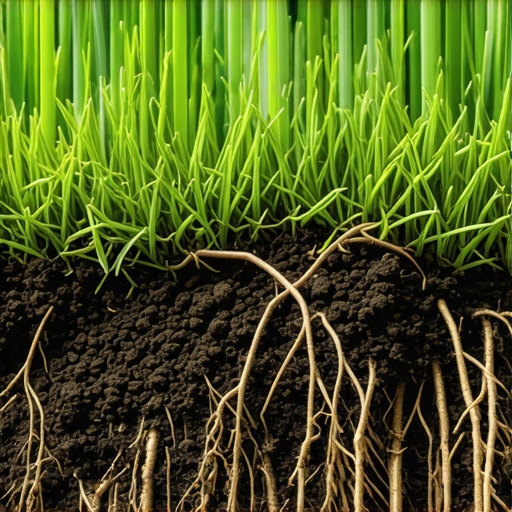
I’ll never forget the weekend I spent carefully laying sod in my yard, only to see it start browning and dying within days. That sinking feeling of disappointment hit hard. It was a moment of realization—something was missing, something I overlooked. If you’re like me, you’ve probably faced that same frustrating experience: fresh sod looking vibrant when laid, then rapidly fading away, leaving your dream lawn just out of reach.
The Hidden Culprit Behind Early Sod Failure
Is Landscaping Success Just Luck or Can It Be Learned?
Early on, I made the mistake of assuming that laying sod alone was enough. But the truth is, without proper irrigation and soil preparation, even the healthiest sod struggles to establish roots. The root of the problem? Insufficient rooting support during that critical first few weeks. Experts have shown that proper watering and soil prep significantly increase sod survival rates—yet many overlook these key steps. Did you know that according to Urban Landscaping, neglecting initial watering strategies is among the top reasons new sod fails in its first month? That’s a sobering statistic that made me rethink my approach entirely.
So, if you’ve ever faced that gnawing worry—”Will my sod survive the first two weeks?”—you’re not alone. But here’s the good news: with a few targeted adjustments, you can turn that risk into a lush, thriving lawn. Let’s explore how to get your sod rooting fast and strong, ensuring it doesn’t give up before it even has a chance to settle in.
Water Deeply and Consistently
Set a Daily Schedule and Stick to It
After laying the sod, I remember turning on my sprinkler system for just 10 minutes twice a day, thinking it was enough. But the sod was wilting within a week. I learned that deep watering—giving about an inch of water—encourages roots to grow downward, anchoring the grass more effectively.
To do this right, use a rain gauge or a tuna can to measure water output. Water until the soil feels moist at a depth of 6 inches, then pause to let it soak in. Consistency is key, as irregular watering causes stress and increases the risk of failure.
Prep and Improve Soil Quality
Ensure Optimal Soil Conditions Before Installation
I once skipped soil testing for my tiny backyard project, leading to patchy growth. Soil tests reveal pH and nutrient levels; correcting them with lime or sulfur enhances sod establishment. Incorporate compost or topsoil to improve drainage and fertility.
Think of this like preparing a foundation—skimping on soil quality is like building on soft, uneven ground. For best results, consider professional soil analysis or at least amend your soil based on known issues, as discussed in this guide.
Smart Irrigation System Design
Map Your Yard to Optimize Water Coverage
During my first sprinkler setup, I used a basic system that left some sections overwatered while others dried out. I now use zone-tuning—dividing my yard into sections based on sun exposure and plant needs—much like zoning in real estate. This ensures uniform moisture distribution and conserves water.
Adjust sprinkler heads and timers to match specific zones. This targeted approach prevents waste and reduces water bills, aligning with tips from professional irrigation solutions.
Monitor and Adjust Regularly
Keep an Eye on Your Lawn’s Response
I learned the hard way that setting a schedule is not enough; observing how my lawn responded was essential. Signs like standing water, brown patches, or overly dry spots indicated overwatering or underwatering. Adjust timers and sprinkler heads accordingly.
Invest in moisture sensors or use simple visual cues—stick your finger into the soil to check moisture levels. Staying proactive helps catch problems early, dramatically improving sod survival rates.
Tackle Yard Cleanup Before Installation
Clear Debris and Prepare the Area
Before laying sod, I spent a Saturday removing weeds, rocks, and old grass. A clean, level surface provides better contact between soil and roots, reducing air pockets that hinder growth.
Use a rake to level the ground and consider aerating compacted areas. For extra preparation, check out yard cleanup tips to ensure your site is prime for sod installation. Proper prep streamlines establishment and prevents future problems.
Many homeowners operate under misconceptions about irrigation and yard maintenance that can sabotage their efforts. While it might seem straightforward—just water more or clear debris—these actions often mask deeper issues. Let’s dig deeper into some common pitfalls and advanced nuances that even seasoned DIYers overlook.
Myth: More Water Means Better Growth
This is a trap many fall into, believing that frequent, shallow watering will keep their lawn lush. In reality, this approach encourages shallow root systems that are vulnerable to drought and disease. Experts emphasize the importance of deep, infrequent watering to promote robust root growth—an advanced tactic that significantly enhances sod survival. For detailed strategies, savvy gardeners check out professional irrigation tips which debunk common watering myths.
Overlooking Soil Structure: The Silent Killer
Many assume that soil quality isn’t a big deal if the soil appears loose. However, soil compaction is a silent killer of healthy turf. Compacted soil prevents proper root penetration and lowers oxygen availability. Aeration, often overlooked, can dramatically improve soil structure and hydration efficiency. Pushing soil tests beyond pH to include bulk density measurements can reveal issues before they devastate root systems. A study published in the Journal of Sustainable Horticulture confirms that aerated soils show faster establishment and stronger sod resilience. Prevent this pitfall by incorporating aeration into your yard prep routines, as highlighted in yard cleanup guides.
Why Do My Plants Look Thirsty or Wilting Too Soon?
This advanced question touches on irrigation zone design. Uniform watering isn’t just about consistent durations; it requires understanding sun exposure, wind patterns, and soil variations across your yard. Without zone tuning, some areas may drown while others stress from dryness. Smart zone mapping, similar to zoning in real estate, ensures each part of your lawn receives suitable moisture levels. This prevents overwatering or underwatering, which can cause root failure and turf browning.
Implementing a zoning system can be complex but yields significant benefits. Professional-grade setups use moisture sensors and adaptive timers. For homeowners eager to master this, resources like expert irrigation strategies are invaluable. Remember, the goal is to nurture roots deeply, ensuring your sod not only survives but thrives. Have you ever fallen into this trap? Let me know in the comments.
Maintaining a lush, healthy yard isn’t just about the initial installation or cleanup—it requires consistent effort and the right set of tools to keep everything functioning smoothly over time. Personally, I rely on a combination of specialized equipment and software to monitor, manage, and enhance my landscaping endeavors, ensuring long-term success and making scalability achievable as my yard evolves.
Invest in a Quality Soil Moisture Meter for Precision Watering
One of the game-changers in my maintenance routine has been a reliable soil moisture sensor. Unlike traditional time-based watering, this device provides real-time data on soil hydration levels, allowing me to adjust irrigation precisely. This not only conserves water but also prevents overwatering, which can lead to root rot or disease—common pitfalls I’ve learned to avoid through tools outlined on this resource. I personally recommend models with wireless connectivity and app integration for ease of use and detailed analytics.
Use a Soil Tester to Ensure Optimal Conditions
Regular soil testing has been invaluable in maintaining the health of my turf. A comprehensive soil test reveals pH, nutrient deficiencies, and compaction issues that can hinder root development. Correcting these early can dramatically improve sod survival and overall plant vigor. I’ve found that combining digital testing kits with expert recommendations can be a smart way to tailor your amendments effectively. For guidance on interpreting results, consult these expert tips.
Automate Irrigation with Smart Controllers
Gone are the days of manually adjusting sprinklers; I now use smart irrigation controllers that sync with weather forecasts and soil moisture data. Setting up zones based on sun exposure and plant needs allows me to precisely target watering, conserving resources and reducing utility bills. As my yard expands, scalability becomes manageable with modular controllers. Looking ahead, I predict these systems will become even more intelligent, integrating AI-driven adjustments for optimal health—see professional advice on current technology trends.
Streamline Yard Cleanup with High-Performance Tools
For regular yard maintenance, I rely on tools like power leaf blowers and oscillating lawn rakes. These significantly cut down cleanup time, especially after storm events or seasonal changes. Choosing lightweight, durable equipment makes a difference in ease of use and injury prevention. Additionally, incorporating leaf mulching mowers helps recycle organic matter, enriching the soil naturally. To stay efficient, I schedule mini-cleanups weekly, which keeps the yard pristine without overwhelming weekends.
Where Do I Keep Repair and Maintenance Moving Long-Term?
Adopting a proactive mindset is crucial. Scheduling periodic system checks, such as inspecting sprinkler heads and replacing worn parts, helps prevent costly breakdowns. Regularly calibrating your irrigation controllers per seasonal variations ensures your yard’s hydration remains optimal. For larger projects or landscape scaling, I recommend consulting professional strategies such as those outlined at this authoritative resource. Over time, building a maintenance routine that combines these precise tools and strategies will yield a resilient, beautiful yard that scales seamlessly as your needs grow.
If you’re ready to take your yard maintenance to the next level, I encourage you to try integrating a soil moisture sensor paired with a smart irrigation controller. Such setup can revolutionize your watering habits, ensuring each inch of soil receives exactly what it needs—no more, no less. In the future, I believe these technologies will become even more intuitive and integrated, making landscape management easier and more efficient than ever.
Throughout my journey of mastering lawn care, I discovered that the real difference-maker isn’t just the initial installation but the deep-seated knowledge gained from setbacks and surprises along the way. These lessons have become my secret arsenal, transforming common pitfalls into opportunities for lush, resilient grass. Embracing a mindset rooted in continuous learning has enabled me to adapt and refine my approach, turning a once-frustrating hobby into a rewarding craft that I eagerly share.
What I Wish I Knew About Sod Success
- Expect the Unexpected: No matter how well you plan, Mother Nature often has her own ideas. Flexibility and patience are your best friends when dealing with weather fluctuations and soil surprises.
- Quality Over Everything: Investing in top-tier soil amendments and reliable tools pays off. Cheap supplies often lead to more work and less glamour in the end.
- Consistency Triumphs: Regular watering, monitoring, and yard upkeep create a rhythm that your sod will thank you for, especially during the critical first few weeks.
- Technology Is a Game Changer: Embracing smart irrigation controllers and moisture sensors provides a level of precision that manual adjustments simply can’t match, ensuring every drop of water counts.
- Secrets from the Pros Make All the Difference: Tapping into expert resources and guides, like those on professional irrigation strategies, can save you time, money, and countless headaches.
My Arsenal of Tools and Resources
- Soil Moisture Meter: A reliable device that provides real-time data, helping me optimize watering schedules without guesswork. I recommend models that sync with apps for added convenience.
- Digital Soil Tester: It reveals pH and nutrient levels crucial for proper fertilization and soil health, turning guesswork into informed decisions.
- Smart Irrigation Controllers: These adapt watering based on weather forecasts and soil moisture, conserving water and ensuring consistency. The investment pays dividends in lawn vitality.
- Yard Maintenance Toolkit: Power blowers, aerators, and mulching mowers streamline my routine and keep the yard in top shape with less effort.
Seize the Moment and Grow with Confidence
The path to a thriving, lush lawn is a blend of science, art, and patience. By incorporating these insights and tools, you’re not just planting sod—you’re planting confidence, resilience, and beauty that will flourish season after season. Don’t let fear or mistakes hold you back. Every great lawn started with a single step. Now, it’s your turn to cultivate your perfect yard. Remember, every lush patch of grass tells its own story—what will yours say?