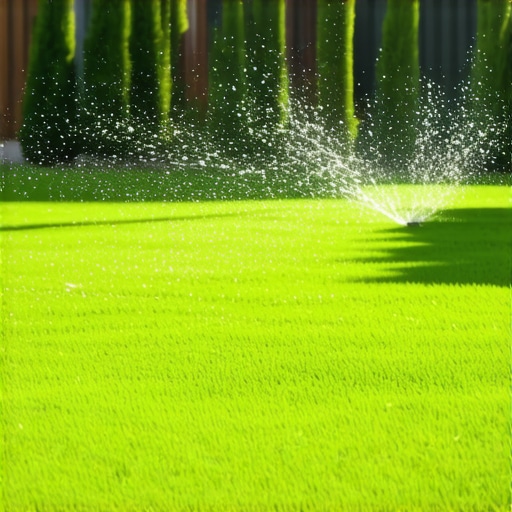
It was a hot summer afternoon when I realized my dream of a perfect, green lawn was slipping through my fingers. The grass was patchy, and despite my efforts, the yard looked more stressed than vibrant. That’s when I had my lightbulb moment: I was ignoring the crucial basics of sod installation and irrigation, two secrets that can make or break your lawn’s health. If you’ve ever felt overwhelmed by the sheer number of tips and buzzwords in landscaping, you’re not alone. I promise, by the end of this, you’ll have a clear, practical game plan for a lush, healthy yard in 2025.
Why Proper Sod and Irrigation Methods Are a Game-Changer
Maintaining a lush lawn isn’t just about picking the right seed or watering when you remember. It involves understanding the symbiotic relationship between your soil, grass type, and water distribution. Early on, I made a costly mistake: I tried to cut corners on soil prep and sprinkler placement, believing generic advice would suffice. Turns out, incorrect irrigation system design can waste water and even harm your lawn, as highlighted in a recent study by the Irrigation Association, which states that inefficient watering can increase water use by up to 50%. Recognizing these pitfalls was eye-opening, and I want to help you avoid them.
Are you tired of seeing your lawn struggle despite your best efforts? Have you faced the frustration of uneven watering or patchy grass? If so, you’re in the right place. Today, I’ll guide you through proven strategies for expert sod installation and irrigation that will ensure your yard is thriving year-round.
Is Investing in Professional Sod and Irrigation Really Worth It?
When I first started, I was skeptical about hiring professionals. I thought I could DIY my way to a perfect yard. However, I underestimated the importance of precise soil prep, proper sod layering, and efficient irrigation design. A misstep in any of these areas can lead to patchiness, disease, or wasted water. For instance, partnering with experienced landscapers who specialize in sod installation can save you time and money long-term. For detailed insights, I recommend checking out [top landscaping tips for sod install](https://urbanlandscapingx.com/top-landscaping-tips-sod-install-for-a-stunning-garden-2025) and [effective irrigation strategies](https://urbanlandscapingx.com/effective-irrigation-strategies-landscaping-tips-for-a-perfect-garden-2025). With the right guidance, your yard can become the envy of the neighborhood.
Now, let’s move from understanding to action. In the next sections, I’ll share step-by-step tips for expert sod installation and irrigation setup that will put you squarely on the path to a radiant, healthy lawn in 2025.
Prepare Your Site with Precision
Start by clearing away debris, weeds, and dead grass. Use a rake to remove uneven patches, roots, and rocks, transforming your yard into a blank slate. I once tackled a neglected corner that was overrun with weeds; after a thorough cleanup, I laid fresh soil on top, setting the stage for healthy sod. Proper site prep ensures that your sod roots deeply into the soil, preventing future patchiness.
Level and Amend the Soil
Use a landscape rake or a leveling tool to create a smooth, even surface. Compacted soil hampers root growth, so aerate if necessary. Mix in compost or organic matter to boost soil fertility, especially if your soil is clayey or sandy. I remember adding compost to a patchy area, which improved moisture retention and made the sod roots establish quickly.
Lay the Sod Correctly
Unroll the sod immediately after delivery to prevent drying out. Cut irregular pieces with a sharp knife, fitting edges tightly without overlapping. Stagger joints like bricks to avoid seams revealing gaps. When I installed a new lawn, I started from the longest straight edge, working outward, which kept the layout neat. Water the sod thoroughly after installation to settle the roots into the soil.
Create an Efficient Irrigation Plan
Design your irrigation system to deliver even coverage. Use a sprinkler layout that overlaps slightly, avoiding dry patches. I used pop-up spray heads spaced based on their spray radius, ensuring uniform watering. Consider installing a timer to regulate watering frequency, especially during hot months. This minimizes waste and guarantees consistent moisture, encouraging healthy grass growth.
Optimize Sprinkler Placement
Place heads where they won’t be obstructed by plants or furniture. Test the system with the water on, observing for dry spots or oversaturation. During my last setup, I identified a spot that was dry due to an obstruction, so I repositioned the head for better coverage. Using adjustable heads allows fine-tuning the spray pattern for maximum efficiency.
Implement Proper Watering Schedules
Water deeply but infrequently—about 1 to 1.5 inches per week—encouraging deep root growth. Early morning watering reduces evaporation and fungal diseases. I scheduled my irrigation to run early, ensuring my lawn dried before evening, which kept it healthy and weed-free. Adjust your schedule based on rainfall and soil moisture levels.
Maintain and Monitor Regularly
Inspect your system monthly, checking for clogged heads or leaks. Use a soil moisture meter to confirm desired moisture levels. I once discovered an underground leak that was wasting thousands of gallons each month; fixing it instantly improved my lawn’s health. Consistent maintenance ensures your investment in sod and irrigation pays off with a vibrant, dense lawn.
Many homeowners assume that yard cleanup, sod installation, and irrigation are straightforward tasks, but in reality, they harbor subtle complexities that can sabotage your efforts. A common myth is that proper soil leveling alone guarantees a lush lawn; however, neglecting soil testing and amendments can lead to drainage issues and unhealthy grass. Additionally, amateurs often believe that setting sprinkler heads at random provides sufficient coverage, but without understanding sprinkler zone design, you risk uneven watering and wasted water—an issue supported by the findings in a recent study on irrigation efficiency published by the U.S. Geological Survey.
Why Does Overlooking Soil Health Cause Big Problems?
Achieving vibrant grass isn’t just about laying sod; it hinges on understanding soil chemistry and structure. Many mistakenly think that adding topsoil is enough, but testing your soil’s pH and nutrient levels reveals deficiencies that, if ignored, result in poor root development and disease. Incorporating targeted amendments based on professional soil analysis can boost sod establishment and long-term health, making the difference between a patchy yard and a stunning landscape. For comprehensive tips, see our guide on top landscaping tips for sod installation. Conversely, ignoring soil health can trap you in a cycle of re-sodding and chemical treatments.
Is Your Sprinkler System Set Up for True Efficiency
Many DIY irrigators focus solely on the number of heads installed rather than their placement and spray patterns. This oversight often results in zones with dry patches or oversaturated spots, which can promote fungal diseases and root rot. Advanced system design includes zone zoning based on soil types, sun exposure, and plant needs, a nuanced approach ignored by many beginners. Installing a programmable timer isn’t enough; understanding how to create overlapping zones for uniform coverage is essential. Exploring effective irrigation strategies, like those outlined in our detailed post, can save water and enhance lawn health in 2025. Don’t forget, proper design is more than just technical; it’s an investment in your yard’s future. I’ve learned through experience that one-size-fits-all solutions rarely deliver, especially when dealing with complex landscapes. Make sure your system is tuned to your specific yard conditions, and consider consulting professionals if you’re uncertain. By focusing on these often-overlooked nuances—soil analysis before sod, strategic sprinkler placement—you avoid common pitfalls and achieve a truly lush and sustainable lawn. Have you ever fallen into this trap? Let me know in the comments.Maintaining your yard’s lush appearance requires more than just initial setup; it demands ongoing attention and the right equipment. Over the years, I’ve tested various tools and methods to ensure my lawn stays healthy and vibrant. Investing in high-quality equipment streamlines maintenance, saves time, and ultimately leads to better long-term results.
One tool I highly recommend is a **compact corded or cordless tiller**. I use mine annually to aerate and loosen the soil before overseeding or applying amendments. It ensures nutrients penetrate deeply and encourages healthy root growth. For large-scale upkeep, a **professional-grade leaf blower and mulcher** is invaluable, especially during fall cleanup, helping to quickly clear debris without damaging your grass.
Regarding watering systems, a **smart irrigation controller** has transformed my approach. These devices connect to weather data and adjust watering schedules accordingly, preventing overwatering and drought stress. Brands like Rachio or Rain Bird offer models with app control, allowing me to fine-tune watering from anywhere.
Regular system inspections are essential. I dedicate time monthly to check sprinkler heads for clogging or misalignment, which can lead to uneven watering. An **irrigation leak detection tool** can help identify underground leaks or faulty valves—saving water and avoiding costly repairs.
Creating a resilient lawn also involves soil testing. I recommend a **digital pH meter** for quick, accurate readings. When I detect soil acidity issues, I apply appropriate amendments like lime or sulfur, depending on the test results. This proactive step ensures your sod has optimal conditions to establish and flourish.
Looking ahead, automation and smart technology will continue to advance. Emerging solutions like drone-based lawn monitoring or AI-driven soil health analysis are on the horizon, promising even more precise maintenance. For now, integrating a smart irrigation system and routine equipment checks can significantly improve your lawn’s health.
How do I maintain my irrigation system over time? Regular cleaning of nozzles, checking for leaks, and updating controllers with seasonal weather data are key. This ongoing maintenance guarantees your watering system functions efficiently, conserving water and promoting ideal turf conditions.
Ready to elevate your yard-care game? Try calibrating your irrigation system with a smart controller or investing in a soil tester this weekend. These small upgrades can make a big difference, ensuring your landscape remains stunning with less effort. For detailed insights, explore our post on [effective irrigation strategies](https://urbanlandscapingx.com/effective-irrigation-strategies-landscaping-tips-for-a-perfect-garden-2025) and see how technology can work for your lawn.
The Hardest Lesson I Learned About Yard Cleanup, Sod Install, and Irrigation
Early on, I underestimated the importance of meticulous soil testing, believing that adding a standard layer of topsoil would suffice. That oversight led to patchy growth and wasted resources, teaching me that understanding soil chemistry is vital for lasting results.
Another eye-opener was the myth that sprinkler heads placed randomly would provide adequate coverage. I realized that strategic placement and zone zoning can make the difference between a soggy yard and a drought-stricken patch.
I also learned that rushing the sod installation process, without proper site prep and timing, can result in root failure. Patience and attention to detail are essential for establishing a vibrant lawn.
Lastly, I discovered that neglecting regular maintenance of irrigation systems—like cleaning nozzles and updating controllers—can undo months of hard work. Ongoing care ensures your lawn remains healthy and beautiful over the years.
Reading through this post, I can really relate to the realization that soil health and proper irrigation are often overlooked aspects that can make or break a lawn. I used to focus solely on the grass type and watering schedule without paying attention to soil testing or sprinkler placement, which led to patchy areas and wasted water. Since I started investing in a soil test kit and reworking my sprinkler zones based on the recommendations, I’ve seen a dramatic improvement in my lawn’s vitality. It’s amazing how pinpointing deficiencies and optimizing system zones can turn a struggling yard into a lush oasis. Has anyone else found that gradual, focused system adjustments make a noticeable difference over time? I’d love to hear how you tackled persistent dry spots or overwatering issues in your landscape.