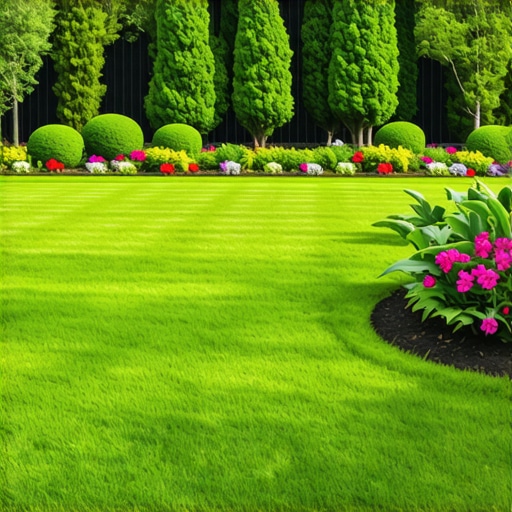
Ever stepped outside after a long week and felt that sinking disappointment seeing your yard overgrown, cluttered, and uninspiring? I know that feeling all too well. One weekend, I finally decided to tackle my neglected garden, only to realize I had no real plan—just a vague idea that I needed to ‘clean up.’ The result? More chaos, frustration, and a sense of being overwhelmed. That lightbulb moment hit me hard: without expert guidance and a clear strategy, transforming my yard was going to be an uphill battle.
Why Your Yard Desperately Needs a Makeover Right Now
The truth is, a well-maintained yard isn’t just about curb appeal. It’s about creating a peaceful retreat, boosting your property’s value, and enjoying your outdoor space to the fullest. But here’s the catch: neglecting your yard can lead to bigger problems—pest infestations, lawn diseases, and even safety hazards. According to a recent study, a lush lawn can increase your home’s value by up to 15%, making this more than just a weekend project—it’s an investment in your property’s future.
So, if your yard looks like a jungle or a dumping ground, don’t worry. There are proven expert strategies that can turn chaos into beauty. Today, I’ll share the top yard cleanup and landscaping ideas that will set you up for success in 2025. Whether you’re starting from scratch or simply need a refresh, these tips will help you achieve a stunning outdoor space that you’ll love spending time in.
Have you ever faced the frustration of trying to fix your yard without a clear plan? You’re not alone. I made the mistake early on of jumping into landscaping without understanding the importance of proper yard cleanup and efficient irrigation. That mistake cost me time, money, and patience. But I learned from it, and now I want to help you avoid the same pitfalls. To get started, let’s explore the foundational steps that will make your yard transformation smooth and successful.
Lay the Groundwork with a Clear Yard Cleanup
Start by removing all debris, dead plants, and clutter that have accumulated over the months. I recall a weekend when I grabbed a sturdy rake and a trash bag, meticulously clearing fallen leaves, broken branches, and old garden tools. This initial step made a huge difference, revealing the true shape of my yard and making subsequent steps easier. For a comprehensive plan, check out top yard cleanup and landscaping tips.
Trim, Prune, and Edge for Instant Appeal
Next, focus on trimming bushes, pruning trees, and edging lawns and flower beds. Imagine your yard as a portrait—every haircut and edge defines its character. I once neglected this step, and my overgrown bushes overshadowed the garden, making it look chaotic. After dedicated pruning, the yard instantly looked more inviting. Use sharp tools and remove diseased or dead branches to promote healthy growth. Proper pruning not only improves aesthetics but also benefits your plants in the long run.
Assess and Improve Your Soil and Mulch
Healthy soil is the foundation of a lush yard. I learned this the hard way when my plants struggled despite regular watering. I tested my soil’s pH and nutrient levels, then added compost and organic fertilizers where needed. Mulching around plants helps retain moisture, suppress weeds, and regulate soil temperature. Opt for organic mulch like wood chips or straw, and apply a 2-3 inch layer for best results. This step prepares your yard for successful planting and landscape design.
Plan Your Landscaping Layout for Maximum Impact
Visualize your ideal yard. Do you want a vegetable garden, a flower border, or a relaxing patio? Sketch a plan, considering sunlight, shade, and drainage. When I redesigned my backyard, I used a simple layout plan that balanced visual appeal with functionality. A well-thought-out plan prevents costly mistakes and ensures cohesive design. For inspiration, explore top landscaping ideas.
Choose the Right Plants and Materials
Select plants suited to your climate zone. Native plants require less water and care, making them an eco-friendly choice. I opted for drought-tolerant perennials that thrived with minimal watering, saving me time and resources. Incorporate durable materials like stone or composite decking to ensure longevity. Remember, mixing textures and colors creates visual interest and a personalized touch.
Invest in Efficient Irrigation Systems
Proper watering is crucial. I installed a drip irrigation system that delivered water directly to roots, reducing waste and preventing disease. For a lush, healthy lawn, strategic irrigation is essential. Check out expert irrigation strategies for more tips. An efficient system saves water, reduces your workload, and keeps plants consistently hydrated.
Implement Regular Maintenance Routines
Consistency is key. Schedule weekly checks for weeds, pests, and plant health. I set reminders to mow, water, and fertilize, which kept my yard looking pristine year-round. Regular upkeep prevents small issues from becoming costly problems. Plus, it lets you enjoy your yard without the stress of last-minute fixes.
Enhance Your Landscape with Features and Accents
Add water features, lighting, or decorative elements to elevate your yard’s appeal. I installed solar-powered path lights and a small pond, transforming my garden into a tranquil retreat. These accents not only beautify but also extend the usability of your space into the evening hours. Choose elements that reflect your style and enhance your landscape’s harmony.
Monitor and Adjust for Continuous Improvement
Your yard is a living system. Observe how plants respond to changes and adapt your care routine accordingly. I kept a simple journal to track what worked and what didn’t, refining my approach over time. Flexibility ensures your yard remains vibrant and healthy, making your 2025 garden a true masterpiece.
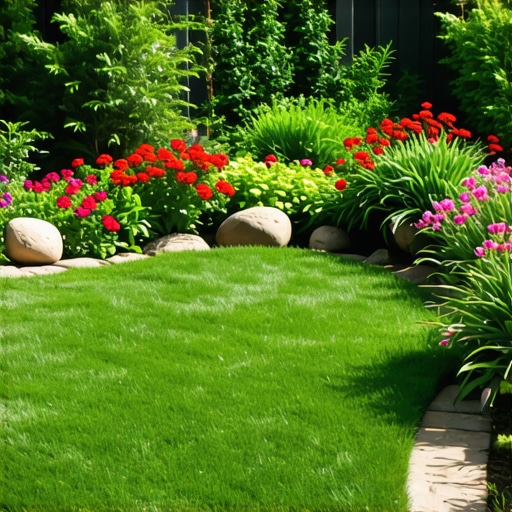
Many homeowners fall into misconceptions that can sabotage their yard transformation efforts. Let’s dig deeper into some of the most prevalent myths and reveal what truly works in expert landscaping.
Is It Better to Overhaul Everything at Once?
A common mistake is thinking that a complete, all-at-once renovation guarantees success. In reality, tackling your yard in phases allows for better management, reduces costs, and minimizes disruption. Starting with a comprehensive yard cleanup and then gradually introducing new elements ensures each step is executed properly. For example, you might focus on yard cleanup strategies first, then move on to planting and features.
Myth: You Must Use Exotic Plants for a Stunning Yard
This misconception leads many to spend excessive money on rare or non-native plants. However, native plants are often more resilient, require less maintenance, and support local ecosystems. They thrive better and look equally beautiful when properly selected. Incorporate native species that suit your climate zone, which can be found through local horticultural guides or landscapers familiar with your region.
What Most People Get Wrong About Irrigation
Many believe that simply watering more will keep their lawn lush. In fact, overwatering can cause root rot, fungal diseases, and water waste. Expert irrigation strategies focus on delivering just the right amount of water directly to roots, often using drip systems or well-designed sprinklers. For advanced watering techniques, check out professional irrigation tips. Proper design and scheduling are key to a healthy, drought-resistant yard.
Are There Quick Fixes That Deliver Instant Results?
Quick fixes like heavy fertilization or over-pruning might seem tempting but often backfire. They can cause stress to plants or lead to invasive weed growth. Consistent, thoughtful maintenance yields more sustainable, long-term beauty. For example, regular lawn care routines help keep your yard vibrant without the need for drastic measures.
Have you ever fallen into this trap? Let me know in the comments. Remember, a successful yard transformation is about strategy, patience, and understanding the nuances that go beyond surface-level advice.
Investing in the Right Equipment for Long-Term Success
When it comes to keeping your yard looking its best, having the right tools makes all the difference. I personally rely on a high-quality cordless electric hedge trimmer because it offers the power of a gas model without the fumes and noise. Its lightweight design reduces fatigue during prolonged pruning sessions, and the rechargeable battery ensures I can work without constantly refueling. For larger properties, I recommend a durable, self-propelled lawn mower with adjustable cutting heights, which helps maintain a uniform look and reduces strain on your back. These tools aren’t just convenient—they improve efficiency and help you stay consistent with your maintenance routine.
Embracing Smart Technology for Yard Care
Looking ahead, I believe smart irrigation controllers will become standard for most homeowners. These devices connect to your Wi-Fi and use weather data to optimize watering schedules, preventing over- or under-watering. I’ve been experimenting with a model that adjusts in real-time, saving water and keeping my lawn lush without extra effort. Additionally, soil moisture sensors placed underground provide real-time data on moisture levels, allowing me to fine-tune watering precisely where it’s needed. As technology advances, integrating automation and sensors will become essential for sustainable, low-maintenance yard care.
How do I maintain my yard tools over time?
Proper maintenance of your equipment is crucial for longevity. I always clean my tools after each use—removing dirt and sap—and sharpen blades regularly using a sharpening stone or specialized tool. Lubricating moving parts prevents rust and ensures smooth operation. For power tools, I follow manufacturer guidelines for battery care and storage, which extend their lifespan. Scheduling seasonal tune-ups with professionals can also catch minor issues before they become costly repairs. Investing a little time in maintenance upfront saves money and keeps your tools performing optimally for years to come.
Stay Consistent and Adapt Your Maintenance Schedule
Creating a routine is vital. I set weekly reminders for mowing, pruning, and checking irrigation systems. This regularity prevents small issues from escalating and keeps my yard looking great all year. As seasons change, I adjust my schedule—adding fertilization in spring and aeration in fall. Monitoring your yard’s response to these practices allows you to refine your approach, ensuring enduring beauty and health. Remember, the key to a stunning yard isn’t just one big effort but consistent, informed maintenance over time.
Try Out Advanced Irrigation Strategies
One technique I highly recommend is zone-based irrigation, where different areas of your yard receive tailored watering schedules based on the specific needs of grass, trees, or flower beds. This approach minimizes water waste and promotes healthier plants. You can set this up with a programmable irrigation controller and soil moisture sensors, which work together to deliver just the right amount of water. For detailed guidance, explore expert irrigation tips. Implementing zone control could be your game-changer for maintaining a vibrant yard with less effort. Give it a try today and see the difference it makes!
Lessons from My Lawn Transformation Journey
- One of the hardest lessons I learned was that trying to overhaul everything at once often leads to burnout and wasted resources. Breaking the process into manageable phases kept me motivated and more effective.
- I used to believe native plants were boring, but discovering their resilience and beauty changed my perspective. They truly are the secret weapon for a low-maintenance, stunning yard.
- Investing in the right tools, like a quality cordless hedge trimmer and a self-propelled mower, made regular maintenance less of a chore and more of a pleasure. Good equipment is a game-changer.
- Smart irrigation systems and soil moisture sensors initially seemed fancy, but their efficiency and water savings proved invaluable. Automation isn’t just for tech geeks—it’s for anyone serious about yard care.
My Must-Have Tools and Resources for a Lush Yard
- Pro Sod Install Irrigation Strategies – I trust this resource for designing an irrigation system that conserves water and keeps my lawn green. Their tips helped me set up zone-based watering that adapts to seasonal needs.
- Ultimate Guide to Sod Installation – This comprehensive guide made my yard setup smooth and stress-free, especially when laying new sod for that perfect, lush look.
- Effective Yard Cleanup Tips – Regular maintenance was easier with this expert advice, helping me keep debris and weeds at bay while enhancing curb appeal.
Your Garden Awaits Your Effort
There’s something truly satisfying about turning a neglected yard into a personal oasis. With the right strategies, tools, and a little patience, your outdoor space can become the envy of the neighborhood. Remember, every garden is a work in progress—embrace the journey, learn from each step, and enjoy the transformation. Your perfect yard in 2025 is within reach—start today!
This post really hits home for me because I’ve also struggled with creating a sustainable plan for my yard that balances effort and results. I especially agree with the emphasis on starting with a thorough cleanup — I learned that skipping this step only leads to more frustration down the line. I’ve found that investing in quality tools, like a good pruning shear and a reliable sprinkler timer, makes the ongoing maintenance much more manageable. One challenge I encountered was choosing the right native plants for my climate, which initially felt overwhelming. Has anyone had success with their native plant selections, especially in regions with unpredictable weather? I’d love to hear tips or resources that could help simplify this process. I believe that breaking the project into phases, as the post suggests, is the key to staying motivated and avoiding burnout. It’s inspiring to see how small, consistent efforts can lead to a gorgeous and functional outdoor space. What are your favorite quick wins that bring immediate improvement without a big overhaul?
Reading through this post really resonated with my own experience of tackling a neglected yard without a clear plan. I agree that starting with a solid cleanup is the most effective first step — I once jumped right into planting new flowers only to realize I was fighting weeds and debris the whole time. It was a reminder of how foundational cleanup is in setting up for success.
Investing in good quality tools definitely made my ongoing maintenance easier; I particularly love my cordless hedge trimmer for quick pruning sessions. My question is, has anyone tried integrating smart irrigation or soil sensors to better manage watering, especially in unpredictable weather regions? I’ve considered it but wonder how effective these systems are in practice during rainy or drought-prone seasons. Also, I’d love to hear what quick fixes have given other gardeners satisfying, immediate results. For me, adding some pretty landscape lighting and new mulch around my flower beds made a huge visual difference in just a weekend. Thanks again for the detailed tips — I’m excited to put some of these into action this spring!