
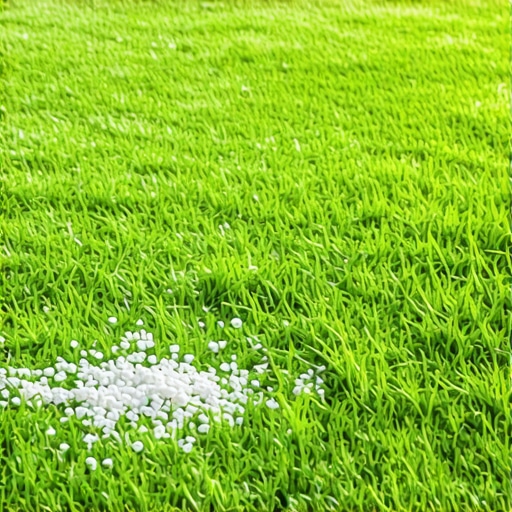
The Forensic Autopsy of a Tan Patch
To fix 2026 dog urine spots, you must apply pelletized gypsum to the affected area to neutralize urea nitrogen salts and improve soil structure. This tactic focuses on cation exchange, where calcium replaces the sodium that prevents water from penetrating the root zone, ultimately allowing new grass growth to take hold. I have seen hundreds of homeowners mistake these spots for fungal infections or grubs, leading to the application of unnecessary pesticides that further stress the turf. It is a chemical burn, plain and simple. I recently got called out to a job where a homeowner in a panic completely torched their front lawn by applying a 30-0-4 high-nitrogen fertilizer directly onto dog spots. They thought they were ‘feeding’ the grass back to health. Instead, they spiked the nitrogen levels so high that the soil pH plummeted to 5.2, effectively mummifying the root systems. They turned a few yellow circles into a $5,000 sod install job because they didn’t understand soil chemistry. The grass did not just die; it was chemically cauterized.
“The primary issue with canine-induced turf necrosis is the concentrated delivery of urea nitrogen and salts, which creates an osmotic imbalance that desiccates the root zone.” – Penn State Extension, Turfgrass Science Division
The Science of the Nitrogen Spike
When your dog urinates, they are delivering a concentrated dose of nitrogen and salts. In small amounts, nitrogen is the primary driver of green growth. However, when it is concentrated in a 2-inch radius, it creates a ‘salt index’ that the plant cannot process. The water is pulled out of the grass blades and into the soil to try and balance the salt concentration. This is called osmotic dehydration. If you do not address the soil physics, that spot will remain sterile for months.
What causes dog urine spots in 2026 lawns?
Dog urine spots are caused by high concentrations of urea and salts that overwhelm the CEC (Cation Exchange Capacity) of the soil. This leads to osmotic stress, where the grass loses moisture to the soil, resulting in localized nitrogen burn and plant death. This is not about the acidity of the urine; it is about the nitrogen load. Stop buying ‘pH balancing’ treats for your dog. They do not work and can cause bladder stones. Focus on the soil instead.
| Treatment Method | Primary Mechanism | Success Rate | Soil Impact |
|---|---|---|---|
| Water Flushing | Dilution | 40% | Temporary leaching |
| Limestone | pH Adjustment | 15% | Increases alkalinity, can worsen salt issues |
| Gypsum Pellets | Cation Exchange | 85% | Improves structure and salt drainage |
| Reseeding Only | New Growth | 10% | Fails if salts remain in soil |
The Gypsum Pellets Tactic: Step-by-Step
Why gypsum? Gypsum is Calcium Sulfate. When it hits the soil, the calcium breaks the bond between the salts and the soil particles. This opens up the ‘pores’ of the dirt.
- Clean the Site: Use a hard rake to remove dead thatch. This is your yard cleanup phase. If you leave the dead grass, it creates a hydrophobic barrier.
- Apply Gypsum: Use 2 lbs of pelletized gypsum per 10 square feet of damaged area. Do not be shy.
- Irrigation Flush: You need to move the salts down. Water the spot for 15 minutes, twice a day, for three days.
- Sod Install or Seed: Once the salts are leached (usually 7 days after treatment), you can drop a piece of sod or high-quality seed.
How much gypsum should I use for dog spots?
For localized dog urine damage, apply two pounds of pelletized gypsum per ten square feet of affected turf. Ensure the pellets are watered in immediately to a depth of four inches to facilitate the calcium-sodium exchange and flush the nitrogen salts. Do not skip the watering. If you just leave the pellets on top, they will sit there like gravel. They need to dissolve to do their job.
“Calcium sulfate dihydrate, or gypsum, acts as a soil amendment that displaces sodium ions from soil particles, improving structure and allowing salts to leach below the root zone.” – Soil Science Society of America
Why Irrigation is Often Misunderstood
Most people think a quick spray with the hose is enough. It is not. You are not trying to wet the grass; you are trying to move the salt column six inches below the root line. This requires deep, slow irrigation. If your soil is heavy clay, this process takes longer. Clay has a high CEC, meaning it holds onto those salts with a death grip. Sandy soil leaches faster but also loses nutrients faster.
Is gypsum safe for dogs and kids?
Yes, pelletized gypsum is a naturally occurring mineral that is non-toxic to pets and humans. Unlike synthetic fertilizers, it does not pose a chemical burn risk, though it is always recommended to water the product in until it is no longer visible on the surface. It is basically the same stuff used in drywall. It won’t hurt them, but they shouldn’t eat it.
The Hard Truth About Sod Install Recovery
If the spot is larger than 6 inches, don’t bother with seed. Seed takes 21 days to germinate and another 30 to establish. By then, the dog has likely hit the same spot twice. Cut out a 12-inch square of the dead turf, excavate 2 inches of soil, add your gypsum, backfill with clean topsoil, and drop a piece of matching sod. It is the only way to maintain a professional look in a high-traffic yard. Clean the edges. Use a sharp spade. If the sod isn’t flush with the existing lawn, the mower will scalp it. Scalped sod dies.
Maintaining the Balance
Once you have remediated the spots, your job isn’t over. You need a maintenance schedule that favors soil health over quick green-ups. Stop using high-salt fertilizers. Look for slow-release organic bridges. Aerate your lawn twice a year to keep the soil from compacting. Compacted soil traps urine. Open soil lets it pass through. It is a simple matter of physics. Your lawn is a living filter. If the filter is clogged, it burns. Keep it open. Keep it hydrated. Stop listening to the guy at the big-box store. He’s never spent a day behind a sod cutter.