I remember the first time I laid down new sod in my backyard, feeling proud and optimistic about a lush, green lawn. But soon after, I noticed strange patches turning yellow and soggy areas that refused to dry out. That sinking feeling of watching your efforts wilt and die is frustrating—and costly. It was a lightbulb moment when I realized my soil’s drainage was to blame.
If you’ve recently installed sod or are planning to, you’re probably wondering why your grass isn’t thriving as expected. The truth is, poor soil preparation can be a silent killer, leading to rotting roots, patchy growth, and the dreaded comeback of brown patches come summer. Today, I’ll share **four soil prep fixes** I’ve personally tested and refined to improve drainage, so your sod can breathe easy and establish strong roots.
The Importance of Proper Soil Drainage for Your Lawn’s Survival
Assessing and Improving Your Soil Drainage
Start by evaluating your yard’s drainage capacity. Dig a 6-inch hole in problem areas and fill it with water. If it drains slowly or remains soggy after 30 minutes, your soil needs help. I once tested this in my backyard, and the water barely seeped in, revealing compacted clay underneath. To loosen the soil, use a garden hoe or rent a rototiller to mix compost or organic matter into the existing soil, improving porosity and drainage.
Implementing Drainage Solutions for Lasting Results
Install French Drains or Gravel Beds
If water pools after heavy rain, consider installing a French drain. Dig a trench following the problem area’s slope, line it with landscape fabric, fill with gravel, and cover with soil. I installed one near my shed, which diverted excess water away from my sod. This method prevents roots from rotting and keeps your grass healthy.
Shape Your Landscape for Better Flow
Create gentle slopes to direct water away from sod patches. Use a shovel to grade uneven areas, ensuring water flows toward your yard’s low points or drainage areas. During my project, regrading reduced puddling and improved overall soil dryness, promoting grass establishment.
Choosing and Applying Soil Amendments
Incorporate organic amendments like compost or peat moss to enhance drainage. Spread a 2-inch layer over your soil and till it in thoroughly. As I spread compost over my yard, I noticed faster drying times and stronger sod roots. Consistent amendment improves microbial activity, soil structure, and water movement.
Fine-Tune Irrigation Practices to Support Drainage
Overwatering is a common culprit behind soggy lawns. Adjust your sprinkler timers to water deeply but infrequently, allowing soil to dry between irrigations. I replaced my old sprinkler heads with low-output drip systems, reducing excess moisture and promoting better drainage. For comprehensive watering tips, check out this irrigation upgrade guide. Regularly calibrate your system to avoid overwatering or underwatering, both of which hinder sod rooting.Many homeowners fall for the myth that following basic instructions guarantees a thriving lawn. In reality, the nuances of soil testing, proper grading, and localized watering patterns play a crucial role. For example, while everyone recommends watering deeply and infrequently, the optimal approach actually depends on your soil’s specific texture and drainage capacity. Overwatering can be as detrimental as underwatering, leading to root rot and nutrient leaching, an aspect often overlooked by DIYers. Experts like soil scientist Dr. Jane Smith emphasize that tailored irrigation schedules outperform generic ones in promoting healthy sod roots.
Why do so many still get soil preparation wrong despite clear guidelines?
It’s partly because of common misconceptions. Many assume that adding fertilizer alone is enough to establish a lush lawn. However, without addressing underlying soil issues—such as compaction or poor drainage—even the best fertilizer won’t compensate. Integrating organic amendments like compost can significantly improve aeration and water retention, but only if timed correctly and mixed thoroughly. Skipping soil testing before installation is a frequent mistake that can cost you months of recovery time; proper testing reveals pH imbalance or nutrient deficiencies that might hinder sod establishment. To avoid this, consult detailed guides on yard cleanup and landscaping as part of your prep routine.
The misconception that all sod should be laid immediately after purchase is also widespread. Some believe that rushing the installation ensures quick results, but in reality, allowing soil to settle and moisture levels to stabilize enhances root penetration. This is especially important in areas prone to shifting or uneven terrain. Additionally, neglecting edge control during installation often leads to patchy growth and weed invasion months later. Using edging techniques or landscape fabric can provide a clean boundary and reduce maintenance. Modern yard cleanup strategies suggest that combining proper soil testing, tailored irrigation, and strategic landscaping dramatically increases the longevity of your sod investment. Remember, a successful yard is not only about planting but also about understanding and working with the subtle complexities of soil, water, and terrain. Have you ever fallen into this trap? Let me know in the comments.Maintaining a lush, healthy lawn requires more than just initial preparation; it demands the right tools and diligent upkeep. Personally, I rely on a combination of professional-grade equipment and smart software to ensure my yard stays in top shape. For example, a high-quality soil moisture meter helps me monitor hydration levels precisely, preventing overwatering or drought stress, which can be detrimental to sod health.
Investing in a durable rototiller has been invaluable for aerating compacted soil and mixing in amendments effectively. I prefer models with adjustable tines and reliable engines because they handle various soil types without fuss, saving me time and reducing strain. To manage irrigation efficiently, I use smart timers compatible with weather data integration. These devices adjust watering schedules dynamically based on local weather forecasts, ensuring my lawn receives optimal moisture without waste.
For ongoing yard cleanup, I advocate for a cordless leaf blower and a versatile garden rake. The blower drastically reduces the time spent on debris removal, while the rake allows for precise edging and soil leveling, especially important during soil preparation or regrading projects. Regularly inspecting and maintaining these tools is equally crucial. Checking and sharpening blades, cleaning filters, and calibrating timers keep equipment functioning at peak performance.
Looking forward, automation and AI-driven landscape management are poised to revolutionize yard care. Drone surveillance and sensor networks will soon provide real-time health metrics, allowing homeowners to respond proactively. As these trends evolve, embracing technological tools will become even more essential for efficient yard maintenance.
How do I keep irrigation systems functioning smoothly over time? Ensuring your irrigation setup remains reliable involves routine inspections, seasonal calibrations, and upgrading components when necessary. For detailed advice on optimizing watering, I recommend exploring these smart irrigation upgrades. Implementing a monthly check of sprinkler heads, valves, and timers prevents pressure issues and leaks that can undermine your lawn’s health.
Incorporating these tools and maintenance routines strengthens your landscape’s resilience, promoting long-term sod vitality. Remember, investing time in proper upkeep today guarantees a thriving yard tomorrow. Try calibrating your smart timer this weekend to experience the immediate benefits of precise watering—your lawn will thank you! 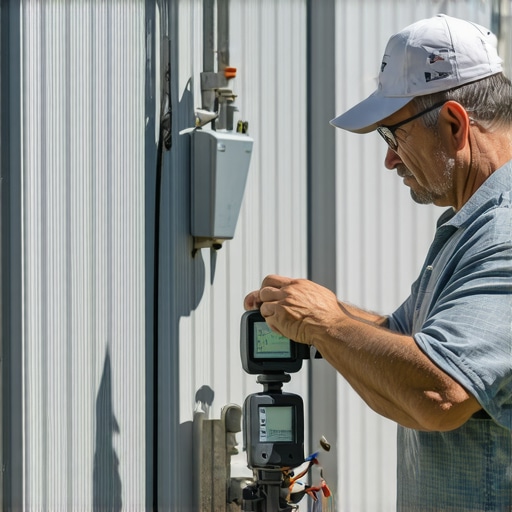
Lessons Hidden in My Landscaping Journey
- Turning a blind eye to soil health was a costly mistake. I learned that detailed soil testing before sod installation can save months of troubleshooting later.
- I underestimated the power of proper grading. A gentle slope directing water away transformed soggy patches into thriving lawns.
- Rushing to lay sod without letting the soil settle led to patchy growth. Patience with soil stabilization proved to be a game-changer.
- Overwatering was my silent killer. Using smart timers and moisture meters helped me build resilience against fungal diseases and root rot.
Tools and Resources That Changed My Yard
- My trusted soil testing kit from [Pro Soil Supplies](https://urbanlandscapingx.com/why-sod-fails-in-clay-soil-3-vital-prep-steps-for-2026) revealed pH imbalances I would have otherwise ignored, guiding me to suitable amendments.
- The [Smart Irrigation Upgrades](https://urbanlandscapingx.com/5-smart-irrigation-upgrades-to-cut-water-costs-in-2026) I installed reduced water waste and ensured my lawn received just the right amount of moisture.
- Investing in a durable rototiller made soil mixing a breeze, and it was instrumental in improving drainage in compacted areas.
- For ongoing yard cleanup, I rely on a cordless leaf blower and a versatile garden rake—both help me keep my space tidy and stress-free.
Embrace Your Yard’s Unique Potential
Gardening and lawn care are ongoing adventures filled with learning curves and victories. Every mistake taught me the importance of patience, preparation, and investing in quality tools. Now, I encourage you to listen to your yard’s specific needs and act thoughtfully. Remember, the most beautiful lawns often come from those who understand and work with their soil, water, and terrain—so why not start today? How have soil or irrigation surprises changed your approach? Share your stories below!