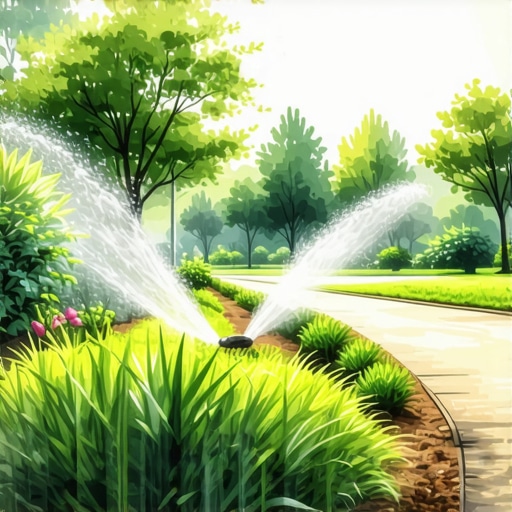
It was a sweltering summer afternoon when I looked out over my yard, realizing my water bill was soaring higher than I ever imagined. I had just finished a routine sprinkler run, trusting that my system was doing its job efficiently. But as I sat at my kitchen table, staring at the excessive charges, a lightbulb went off—my irrigation setup was wasting water and money. That moment sparked a journey to find smarter ways to manage my lawn without draining my wallet.
The Water Bill Wake-Up Call You Can’t Ignore
High water bills aren’t just a seasonal irritation—they can become a year-round headache, especially as utility rates continue to climb. For me, it wasn’t just about the financial sting but also feeling guilty about wasting water in an era of droughts and climate change. Many homeowners face the same dilemma: how to keep a lush yard without those exorbitant charges. The good news? Small, strategic tweaks to your irrigation system can make a huge difference. Today, I’m going to share the six smart irrigation adjustments I’ve personally tested and refined to help you cut your water bills in 2026—yes, the coming year—to enjoy a vibrant landscape that doesn’t break the bank.
Is Your Sprinkler System Really Doing Its Job?
Early in my quest, I made a critical mistake—assuming my sprinkler was calibrated correctly. Turns out, many systems are set and forgotten, leading to overwatering and runoff. One particular lesson I learned was that even a small adjustment in watering duration or timing could save hundreds of gallons weekly. Experts agree that many lawns are overwatered, which not only wastes water but can also damage grass roots and promote pests. For insights on proper irrigation techniques, check out this guide on irrigation tips for lush lawns. Now, let’s dive into the tweaks that turned my water hog into a water-wise wonder.
Adjust Your Sprinkler Settings for Precision Watering
Remember the first time I spent an entire Saturday fixing uneven sprinkler heads; it was a messy job, but the payoff was immediate. I literally watched my water meter slow down as I calibrated each zone—testing run times by measuring how long it took to fill a known container. Set your sprinklers to run early mornings or late evenings to minimize evaporation, and ensure they only target your lawn—not the driveway. Use an app or timer to keep an eye on durations—overwatering is a common mistake that wastes water and money. For detailed techniques, check out expert irrigation tips. Small changes here can save hundreds of gallons weekly.
Install or Upgrade Your Soil Moisture Sensors
Adding soil moisture sensors was a game-changer for me. They act like a health monitor for your lawn, reporting real-time data on moisture levels. I embedded a sensor in several spots of my yard—kind of like placing a thermometer in a baking dish—to see where water was truly needed. When I initially overwatered, the sensor alerted me, allowing me to cut back by 15 minutes per zone. This prevents runoff and deep-root watering issues. Think of it like having a yard health checkup—only the sensor does the work. To learn more, review landscaping health strategies for tips on maintaining optimal moisture levels.
Strategically Zone Your Lawn for Efficiency
Breaking down my yard into zones was like creating a playlist—each area has a tailored watering schedule based on plant type, sun exposure, and soil condition. For example, shady spots need less water than sun-drenched patches. I used a simple map and designated zones with their own timers, quickly noticing that some zones were overwatered while others stayed dry. This targeted approach prevented unnecessary water usage. It’s akin to a restaurant chef controlling portions—precision equals savings. For best practices, consult smart irrigation tips to customize your zones effectively.
Maintain and Clean Your Sprinkler System Regularly
I neglected this at first, thinking it was optional. But when I noticed uneven spray patterns and clogged nozzles, I dove into cleaning and repairs. Think of it like maintaining a car engine—regular oil changes boost performance and fuel efficiency. I replaced worn-out nozzles, aligned spray heads, and cleared out blockages, which instantly improved coverage. Regular maintenance means less water waste and prevents costly replacements down the line. For detailed guidance, explore irrigation maintenance strategies.
Upgrade to Smart Irrigation Controllers
Swapping my old timer for a smart controller felt like upgrading from a flip phone to a smartphone. The device learns your lawn’s needs, adjusts watering based on weather forecasts, and can be controlled remotely. I set it up to skip watering on rainy days, saving water automatically. The initial investment saved me hundreds annually and alleviated the hassle of manual adjustments. Think of it as giving your yard an intelligent brain—saving water and effort. To explore top models and best practices, visit top smart irrigation solutions.
Refine Your Landscape Design for Water Conservation
Last season, I redesigned my yard with drought-resistant plants and mulched beds plentifully. It’s like switching from a heavy meal to a light, water-efficient diet—your lawn remains lush with less hydration. I also replaced some traditional grass patches with native plants that thrive with minimal watering. This strategic landscaping greatly reduced irrigation needs and enhanced curb appeal. For inspiration, browse landscaping makeover ideas that prioritize water efficiency.
Many homeowners operate under misconceptions about yard maintenance that can undermine their efforts and waste resources. One of the most pervasive myths is that all soil types respond equally to sod or landscaping techniques. In reality, understanding your soil’s unique composition is critical; for instance, clay soils require different amendments than sandy soils to ensure healthy root development. Ignoring this can lead to root rot or poor sod establishment. To optimize your approach, consider consulting with experts or reviewing landscaping strategies tailored for your soil type.
Why do many DIY landscape projects fall short despite following popular advice?
The answer often lies in overlooking the importance of proper site assessment before installation. Skipping steps like grading, drainage evaluation, or soil testing can result in water pooling or uneven growth. A common mistake is assuming that matching the visible grass type ensures success, but subsoil conditions might sabotage your efforts. Advanced gardeners know that integrating soil health strategies—such as adding organic matter or aerating—can dramatically improve outcomes. For in-depth guidance, check out lawn installation tips for a robust start.
Another nuance often missed is the role of irrigation scheduling. Many assume frequency is the key, but it’s more about timing and intensity. Overwatering, especially during the hottest parts of the day, can promote fungal diseases and create runoff—wasting water and money. Properly calibrated smart controllers and moisture sensors can prevent this, but only if you understand their advanced settings. For those interested in maximizing water efficiency, explore smart irrigation modifications.
Maintaining the health of your landscape isn’t about simple rules; it involves understanding these hidden factors and nuances. Recognize the importance of soil testing, site assessment, and precise irrigation practices to avoid costly mistakes. It’s in these details that true mastery lies. Have you ever fallen into this trap? Let me know in the comments.
How Do I Keep My Yard Equipment in Top Shape Over Time
To ensure my landscaping efforts pay off season after season, I rely heavily on reliable tools like a high-quality lawn aerator and a precision pruning shear. I personally use the Stihl Grand Prix Edger because its durable motor and sharp blades make clean edges effortless, saving me hours of work and preventing uneven trimming. For soil testing, I swear by the Luster Leaf 1601 Digital Soil Test Kit; it provides quick, accurate readings that help me adjust soil amendments proactively, ensuring healthy sod establishment and long-term turf vitality. Regular maintenance, such as cleaning mower blades after each use and sharpening pruning tools biannually, prevents rust and wear, extending their lifespan and performance. Investing in quality tools and diligent upkeep ensures your yard stays lush without frequent replacements.
Looking ahead, I predict that smart gardening tools with integrated sensors and AI will become the norm, further simplifying ongoing yard maintenance. Imagine a system that not only detects soil deficiencies but also automatically adjusts watering schedules, fertilizer application, and even suggests planting changes—bringing true automation to residential landscaping.
What Are the Best Strategies for Consistent Yard Upkeep?
Consistency is key in maintaining a beautiful yard. I recommend setting a seasonal schedule that aligns with your local climate, and sticking to it. For example, during the peak growing season, I prioritize weekly mowing, bi-weekly fertilizing, and monthly aeration sessions. Using tools like a smart irrigation controller helps me automate watering times and prevent overuse. Additionally, I keep a lawn journal to record what works and what doesn’t, allowing me to adjust my routine based on actual results. Remember, small, regular interventions—like removing weeds promptly or applying mulch—can prevent major issues down the line and keep your landscape thriving for years to come. Start by integrating a soil test and setting up a maintenance calendar to keep your yard flourishing long-term.
Secrets Only Veteran Gardeners Know About Saving Water
One of the biggest lessons I learned was that overwatering is a silent killer of lawns. I once thought more water meant better grass, but I was unwittingly drowning my yard and wasting resources. The breakthrough came when I started paying attention to my soil’s actual needs, realizing that tailored watering can transform your landscape from average to extraordinary. Don’t assume your sprinkler does all the work—dig deeper and discover the nuances that make a real difference.
Top Resources That Took My Yard from Drab to Dream
If you’re serious about elevating your yard’s watering game, these tools and guides are my go-to. First, the expert irrigation tips helped me optimize my system’s performance. My soil testing kit, the Luster Leaf 1601 Digital Soil Test Kit, gave accurate insights into my lawn’s health. For automating watering, I trust smart irrigation controllers—they save water and stress off my schedule. Combining these resources made a world of difference.
The Joy of Taking Charge—Your Yard Can Thrive with Less Water
It’s incredibly satisfying to see my yard flourish while using less water. The key is embracing smart technology, like weather-adjusting controllers, and understanding your soil’s unique needs. Remember, your landscape reflects your effort, and small adjustments—like zone-specific watering and regular maintenance—can lead to big savings. The future is bright for eco-friendly gardeners who are ready to take actionable steps—so why not start today? Your lush, water-efficient yard awaits.